THE ADVENTURE COLLECTIVE® · Independent discovery and booking for outdoor travel

Move between Mbabane’s markets and Manzini’s bustling bus rank on a full-day cultural tour that pairs craft stalls, a mountain lunch view, and a traditional village performance ending at Mantenga Waterfalls. Expect local transport, moderate walking, and rich historical context.
Move between Mbabane’s markets and Manzini’s bustling bus rank on a full-day cultural tour that pairs craft stalls, a mountain lunch view, and a traditional village performance ending at Mantenga Waterfalls. Expect local transport, moderate walking, and rich historical context.
The day opens on a busy market morning in Mbabane: vendors call, produce glints under sun, and the city’s compact streets move with purpose. The tour threads through Gwamile Street and the oldest civic buildings, then eases into the slower rhythm of public transport as you ride like a local toward Manzini.
Verified experiences and guided adventures in the surrounding area.
Operated by Possible KaNgwane Travel and Tours · Mbabane, Hhohho
The day opens on a busy market morning in Mbabane: vendors call, produce glints under sun, and the city’s compact streets move with purpose. The tour threads through Gwamile Street and the oldest civic buildings, then eases into the slower rhythm of public transport as you ride like a local toward Manzini.
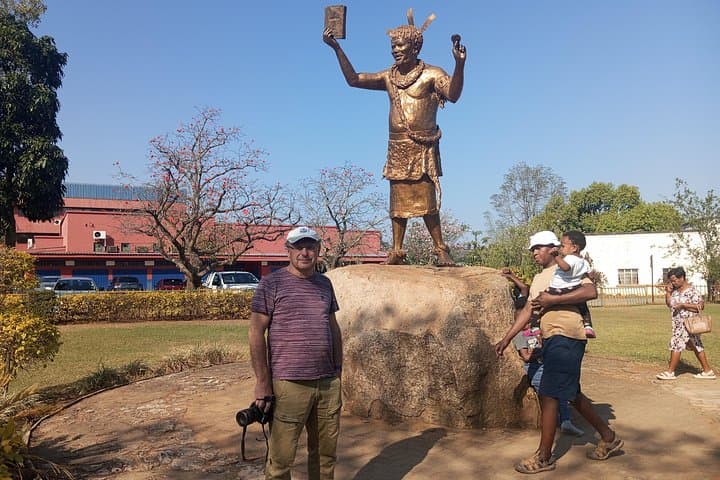
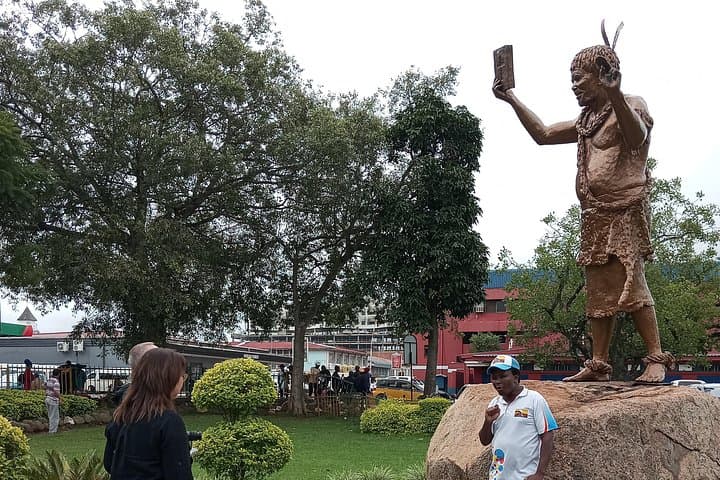
Along the way the landscape shifts — urban roofs give way to rolling hills of the Hhohho and Manzini regions. Mdzimba Mountain rises to about 1,200 m, offering a clear vantage over the Ezulwini Valley where basalt ridges and folded green slopes reveal the region’s geological story of volcanic uplift and erosion. Cultural history sits close to the surface: statues of King Somhlolo and sites like the Mahogany tree mark moments in Eswatini’s monarchy and colonial interactions.
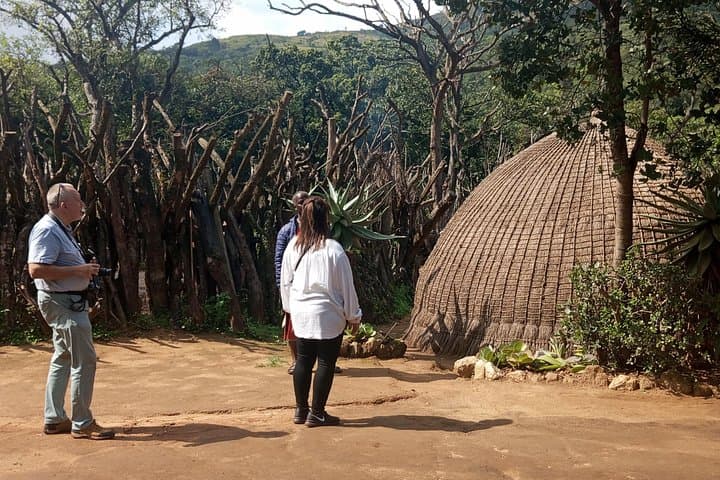
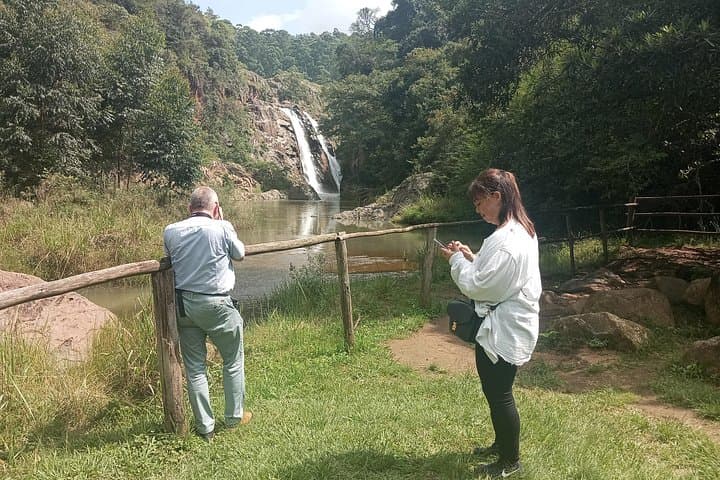
In Manzini, the large market is sensory and social — a place to read craft techniques, barter, and sample Umgcwembe at lunch with a view. The afternoon pivots to a traditional village visit where dance, choral song, and craft demonstration explain social structures and crafts. The final move is natural: Mantenga Waterfalls, where water negotiates rock and gravity with a steady insistence that cools the air and closes the loop of town, mountain and river.
Practical guidance: expect 7–8 hours with intermittent walking on paved and uneven surfaces; moderate fitness and comfortable walking shoes are recommended. Carry small bills for markets, bring sun protection and a light rain layer during the wet months. The itinerary suits families and those looking for a compact cultural and natural overview of central Eswatini.
moderate.
7–8 hours.
Moderate endurance and the ability to walk on uneven ground for short stretches; suitable for families with older children.
Yes — the tour includes air-conditioned vehicle transfers and a portion using local public transport to provide an authentic experience.
Yes — the tour is child-friendly, but inform the operator about infants or toddlers so arrangements (like infant seats) can be advised prior to booking.
Guides conduct tours in English and French; request language preferences at booking to confirm availability.
Entry to the cultural village and Mantenga Waterfalls is included as noted in the itinerary; check the booking details for any changes.
Sites visited reference Eswatini’s monarchical history — King Somhlolo (Sobhuza I) is commemorated in Manzini and colonial-era buildings in Mbabane reflect 19th–20th century administrative shifts.
Stick to marked paths at Mantenga Falls and support community-run cultural sites; local guides help minimize visitor impact and funnel revenue to village conservation efforts.
Possible KaNgwane Travel and Tours operates guided outdoor trips and adventures with an emphasis on safety, stewardship, and memorable experiences.
The day opens on a busy market morning in Mbabane: vendors call, produce glints under sun, and the city’s compact streets move with purpose. The tour threads through Gwamile Street and the oldest civic buildings, then eases into the slower rhythm of public transport as you ride like a local toward Manzini.
The day opens on a busy market morning in Mbabane: vendors call, produce glints under sun, and the city’s compact streets move with purpose. The tour threads through Gwamile Street and the oldest civic buildings, then eases into the slower rhythm of public transport as you ride like a local toward Manzini.
Along the way the landscape shifts — urban roofs give way to rolling hills of the Hhohho and Manzini regions. Mdzimba Mountain rises to about 1,200 m, offering a clear vantage over the Ezulwini Valley where basalt ridges and folded green slopes reveal the region’s geological story of volcanic uplift and erosion. Cultural history sits close to the surface: statues of King Somhlolo and sites like the Mahogany tree mark moments in Eswatini’s monarchy and colonial interactions.
In Manzini, the large market is sensory and social — a place to read craft techniques, barter, and sample Umgcwembe at lunch with a view. The afternoon pivots to a traditional village visit where dance, choral song, and craft demonstration explain social structures and crafts. The final move is natural: Mantenga Waterfalls, where water negotiates rock and gravity with a steady insistence that cools the air and closes the loop of town, mountain and river.
Practical guidance: expect 7–8 hours with intermittent walking on paved and uneven surfaces; moderate fitness and comfortable walking shoes are recommended. Carry small bills for markets, bring sun protection and a light rain layer during the wet months. The itinerary suits families and those looking for a compact cultural and natural overview of central Eswatini.