THE ADVENTURE COLLECTIVE® · Independent discovery and booking for outdoor travel

Move through Mbabane’s market alleys, colonial landmarks and the nearby Msunduza township in a compact one-hour walking tour. Practical, history-rich and ideal for first-time visitors who want an efficient introduction to eSwatini’s capital.
Move through Mbabane’s market alleys, colonial landmarks and the nearby Msunduza township in a compact one-hour walking tour. Practical, history-rich and ideal for first-time visitors who want an efficient introduction to eSwatini’s capital.
You step off a shaded street into crisp highland air; Mbabane sits at roughly 1,243 meters, the Mdzimba Mountains pressing in like quiet watchers while the Mbabane River threads through town, daring you to follow its course. In an hour you can move from busy market alleys to the colonial corners that still mark the city’s story.
Verified experiences and guided adventures in the surrounding area.
Operated by Woza Nawe African Cultural Tours · Mbabane, Hhohho Region
You step off a shaded street into crisp highland air; Mbabane sits at roughly 1,243 meters, the Mdzimba Mountains pressing in like quiet watchers while the Mbabane River threads through town, daring you to follow its course. In an hour you can move from busy market alleys to the colonial corners that still mark the city’s story.
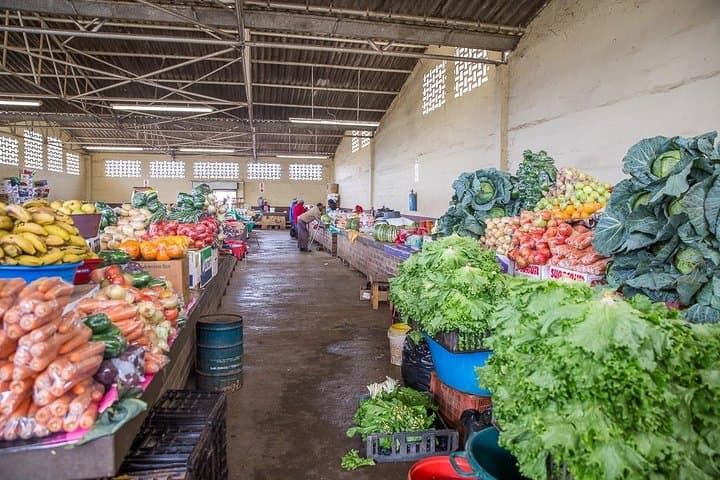
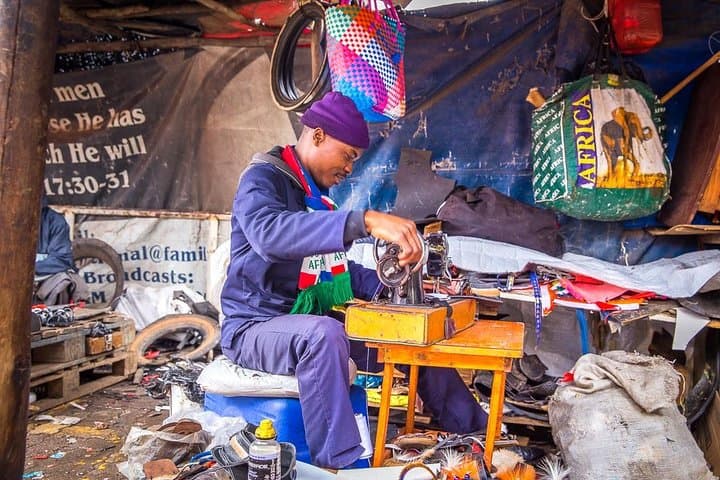
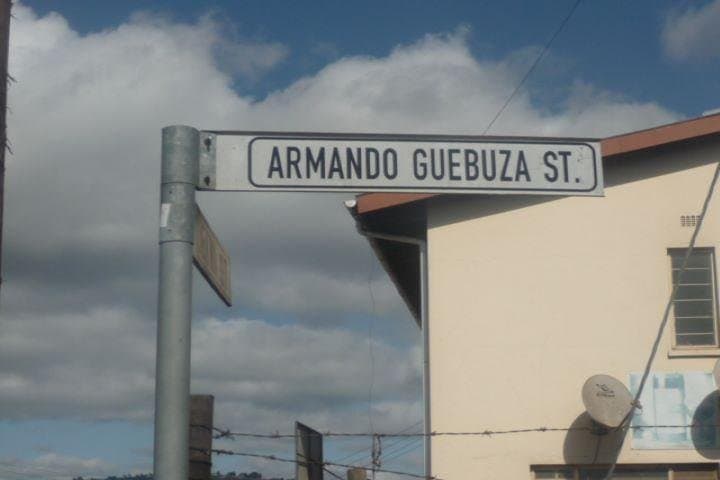
Named for King Mbabane Kunene, the city grew around rivers and trade routes and later became the administrative center under British rule. Stone and concrete buildings sit on ancient granite and schist, the terrain rising and falling in short, often-steep blocks that give the capital a compact, layered feel. Culturally the walk touches markets, broadcasting halls and the colonial-era Waterloo Lamp and Prince of Wales playground—reminders of a past that shaped modern eSwatini and the urban-rural ties that still run through Msunduza township.
Practically: this is a brisk, urban walking tour of about 60 minutes over paved streets and short inclines—expect repeated stopping and local sights rather than long distances. Wear supportive shoes, bring sunscreen and a small bottle of water, and carry small change for market purchases. Morning tours catch the market and cooler temperatures; afternoons reveal different rhythms at bus stations and community centers. The route is wheelchair-accessible in parts but includes some uneven pavement; travelers with back issues should take care. Respect private property and ask before photographing people, especially in Msunduza. With a bit of curiosity and sensible footwear, one hour in Mbabane paints a clear, immediate picture of the capital—its history, its people, and the landscape that shapes daily life.
moderate.
1 hour.
A moderate level of fitness for repeated short inclines and walking on uneven pavement; suitable for most active travelers.
The guided walking tour runs approximately 60 minutes and covers market areas, colonial landmarks and a short visit to Msunduza township.
Parts of the route are wheelchair accessible, but some streets have uneven pavement and short steep sections—check accessibility needs with the operator in advance.
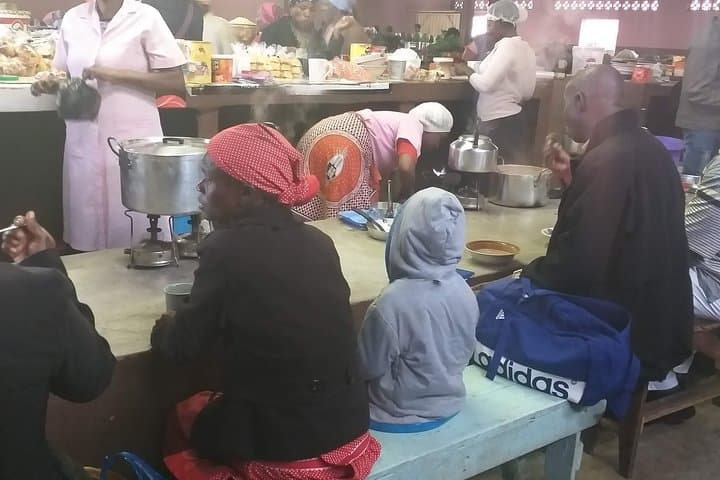
Meals are not included; the operator can arrange breakfast or lunch on request—bring cash if you plan to buy food at the market.
It’s family-friendly but not recommended for travelers with serious spinal injuries; children should be supervised around busy roads and markets.
Mbabane was named after King Mbabane Kunene and later developed as the colonial administrative center; visible artifacts like the Waterloo Lamp and Prince of Wales playground reflect British-era influence.
Travelers are encouraged to minimize waste, avoid littering the river corridors, and to support local vendors to keep economic benefits inside the community.
Woza Nawe African Cultural Tours operates guided outdoor trips and adventures with an emphasis on safety, stewardship, and memorable experiences.
You step off a shaded street into crisp highland air; Mbabane sits at roughly 1,243 meters, the Mdzimba Mountains pressing in like quiet watchers while the Mbabane River threads through town, daring you to follow its course. In an hour you can move from busy market alleys to the colonial corners that still mark the city’s story.
You step off a shaded street into crisp highland air; Mbabane sits at roughly 1,243 meters, the Mdzimba Mountains pressing in like quiet watchers while the Mbabane River threads through town, daring you to follow its course. In an hour you can move from busy market alleys to the colonial corners that still mark the city’s story.
Named for King Mbabane Kunene, the city grew around rivers and trade routes and later became the administrative center under British rule. Stone and concrete buildings sit on ancient granite and schist, the terrain rising and falling in short, often-steep blocks that give the capital a compact, layered feel. Culturally the walk touches markets, broadcasting halls and the colonial-era Waterloo Lamp and Prince of Wales playground—reminders of a past that shaped modern eSwatini and the urban-rural ties that still run through Msunduza township.
Practically: this is a brisk, urban walking tour of about 60 minutes over paved streets and short inclines—expect repeated stopping and local sights rather than long distances. Wear supportive shoes, bring sunscreen and a small bottle of water, and carry small change for market purchases. Morning tours catch the market and cooler temperatures; afternoons reveal different rhythms at bus stations and community centers. The route is wheelchair-accessible in parts but includes some uneven pavement; travelers with back issues should take care. Respect private property and ask before photographing people, especially in Msunduza. With a bit of curiosity and sensible footwear, one hour in Mbabane paints a clear, immediate picture of the capital—its history, its people, and the landscape that shapes daily life.