THE ADVENTURE COLLECTIVE® · Independent discovery and booking for outdoor travel

Spend a private half-day searching mangroves, parks and estuaries around Mazatlán for endemic and resident species. This guided 4–5 hour tour includes binocular loans, snacks and air-conditioned transfers—ideal for beginners and experienced birders alike.
Spend a private half-day searching mangroves, parks and estuaries around Mazatlán for endemic and resident species. This guided 4–5 hour tour includes binocular loans, snacks and air-conditioned transfers—ideal for beginners and experienced birders alike.
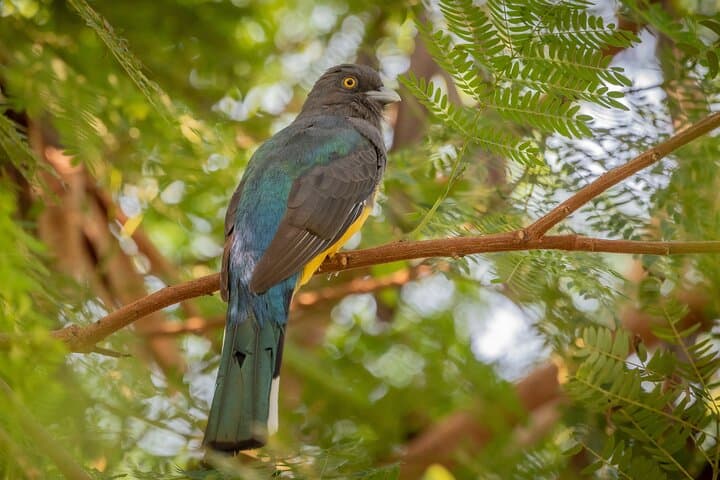
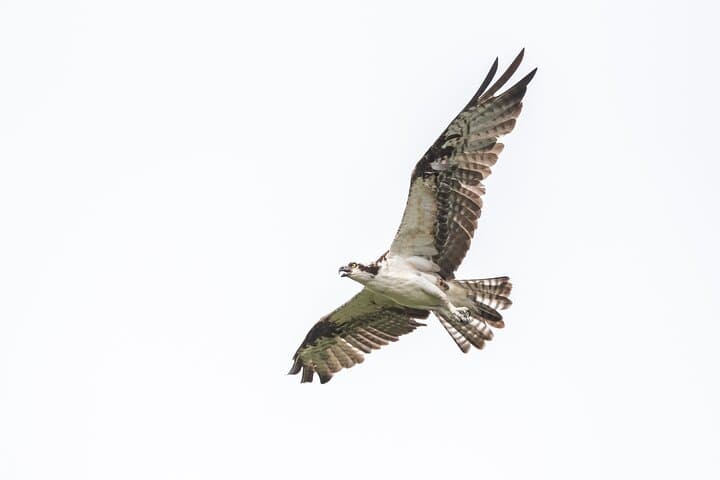
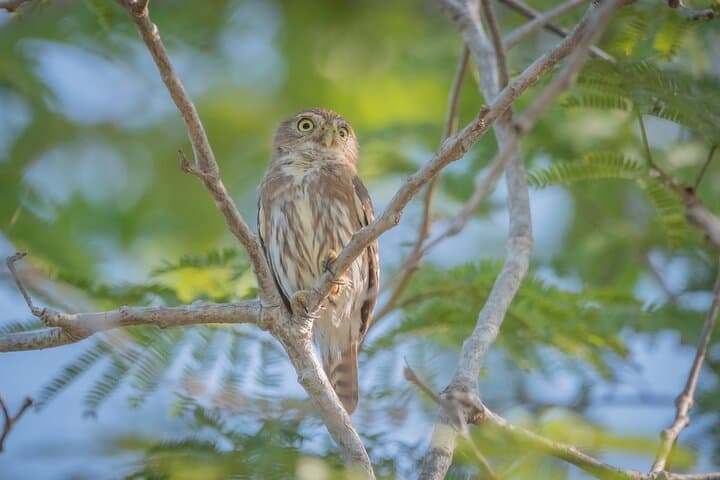
At first light along the Malecón and in the quiet pockets of city green, Mazatlán wakes with a chorus: purplish-backed jays quarrel from seaside trees, wrens chip like punctuation, and a boat-billed heron may ghost the mangrove edge. This private 4–5 hour birding tour threads urban parks, coastal estuaries and mangrove fringe where resident and migratory birds—more than 200 species recorded in the region—concentrate.
Verified experiences and guided adventures in the surrounding area.
Operated by Bird Watching Mazatlán · Mazatlán, Sinaloa
At first light along the Malecón and in the quiet pockets of city green, Mazatlán wakes with a chorus: purplish-backed jays quarrel from seaside trees, wrens chip like punctuation, and a boat-billed heron may ghost the mangrove edge. This private 4–5 hour birding tour threads urban parks, coastal estuaries and mangrove fringe where resident and migratory birds—more than 200 species recorded in the region—concentrate.
The shoreline here is shaped by the southern Gulf of California and Pacific currents; estuaries and mangroves build rich feeding grounds that sustain both local fisheries and the birds. Sinaloa’s coastal towns grew around shrimping and port trade, and the food culture—fresh ceviche, grilled fish—still maps onto tidal calendars and migratory seasons. Many species you’ll see are regionally distinctive: Sinaloa wrens, black-capped gnatcatchers and the flamboyant black-throated magpie-jay claim territory in scrub and gardens.
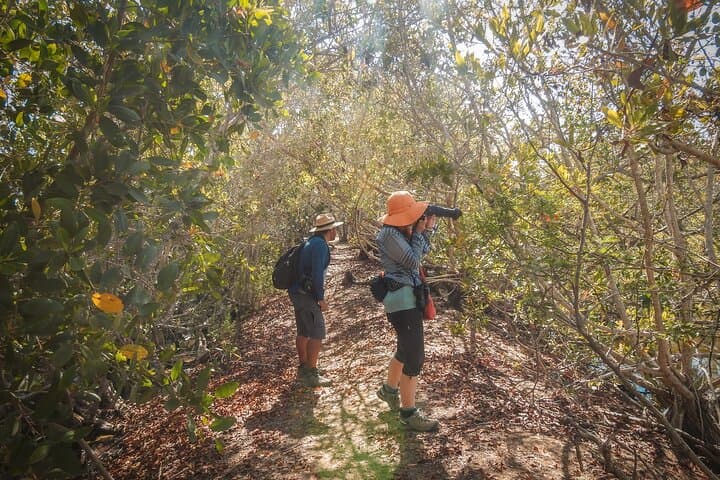
Expect easy walking, short roadside stops and guided observation from an air-conditioned vehicle. Guides provide binocular loans, bottled water, snacks and electrolytes; the tour’s pace favors patient listening and quiet observation rather than long hikes. Best sightings often occur in early morning, with the dry season (Nov–Apr) giving clearer skies and calmer coastal winds.
Practical notes: wear quiet shoes, sun protection and insect repellent; carry a camera with a telephoto lens if you want photos. Keep distance from nests, follow your guide’s direction, and move slowly—birds here respond to stillness, and the estuaries will reward the patient observer.
easy.
4–5 hours.
Light activity: standing, short walks on level or mildly uneven ground; suitable for most fitness levels.
Yes—guides supply binocular loans, but bringing your own improves comfort and hygiene.
Yes—the tour is designed for all levels; easy walking and an experienced guide make it family-friendly.
Pickup is provided in Mazatlán in an air-conditioned vehicle; drives between urban parks and coastal stops are typically short, keeping time in the field high.
Sightings vary by season and patience; a well-timed half-day can record dozens of species, with opportunities for endemic Sinaloa birds and coastal waders.
Mazatlán’s coastal economy grew around port and shrimp fisheries; those same estuaries have long provided habitat for migratory and resident birds that local communities recognize by season.
Mangrove and estuary protection is key to local biodiversity; travelers can help by staying on trails, minimizing plastic waste and following guide instructions to avoid disturbing nesting areas.
Bird Watching Mazatlán operates guided outdoor trips and adventures with an emphasis on safety, stewardship, and memorable experiences.
At first light along the Malecón and in the quiet pockets of city green, Mazatlán wakes with a chorus: purplish-backed jays quarrel from seaside trees, wrens chip like punctuation, and a boat-billed heron may ghost the mangrove edge. This private 4–5 hour birding tour threads urban parks, coastal estuaries and mangrove fringe where resident and migratory birds—more than 200 species recorded in the region—concentrate.
At first light along the Malecón and in the quiet pockets of city green, Mazatlán wakes with a chorus: purplish-backed jays quarrel from seaside trees, wrens chip like punctuation, and a boat-billed heron may ghost the mangrove edge. This private 4–5 hour birding tour threads urban parks, coastal estuaries and mangrove fringe where resident and migratory birds—more than 200 species recorded in the region—concentrate.
The shoreline here is shaped by the southern Gulf of California and Pacific currents; estuaries and mangroves build rich feeding grounds that sustain both local fisheries and the birds. Sinaloa’s coastal towns grew around shrimping and port trade, and the food culture—fresh ceviche, grilled fish—still maps onto tidal calendars and migratory seasons. Many species you’ll see are regionally distinctive: Sinaloa wrens, black-capped gnatcatchers and the flamboyant black-throated magpie-jay claim territory in scrub and gardens.
Expect easy walking, short roadside stops and guided observation from an air-conditioned vehicle. Guides provide binocular loans, bottled water, snacks and electrolytes; the tour’s pace favors patient listening and quiet observation rather than long hikes. Best sightings often occur in early morning, with the dry season (Nov–Apr) giving clearer skies and calmer coastal winds.
Practical notes: wear quiet shoes, sun protection and insect repellent; carry a camera with a telephoto lens if you want photos. Keep distance from nests, follow your guide’s direction, and move slowly—birds here respond to stillness, and the estuaries will reward the patient observer.