THE ADVENTURE COLLECTIVE® · Independent discovery and booking for outdoor travel

Explore Brisbane’s darker chapters on a self-guided GPS walking game that blends true crime, colonial history and puzzle-solving. Walk 1–2 hours through stations, court buildings and convict-era sites at your own pace.
Explore Brisbane’s darker chapters on a self-guided GPS walking game that blends true crime, colonial history and puzzle-solving. Walk 1–2 hours through stations, court buildings and convict-era sites at your own pace.
You step off the tram into a city that hums—traffic, chatter, the river moving like a slow current daring you onward—and the app buzzes: your first clue awaits at the station.
Verified experiences and guided adventures in the surrounding area.
Operated by Leplace - interactive self-guided app tours · Brisbane, Queensland
You step off the tram into a city that hums—traffic, chatter, the river moving like a slow current daring you onward—and the app buzzes: your first clue awaits at the station.
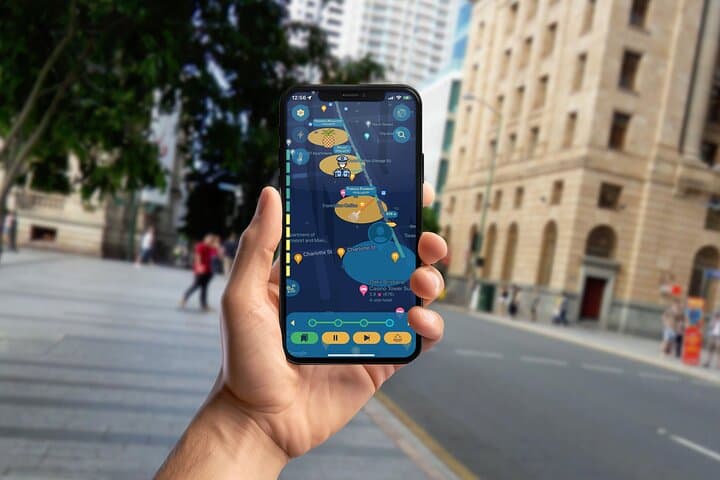
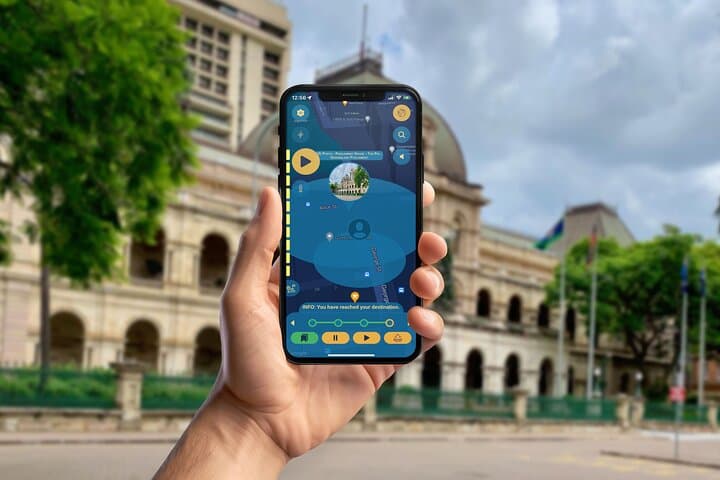
This self-guided GPS walking game threads through central Brisbane, pairing true crime, political clashes and convict-era sites with puzzle-driven checkpoints. The route crosses Brisbane Central Station, Wickham Terrace, Spring Hill, the Old Windmill and the reconstructed Supreme Court, each stop a piece of the city’s raw past: convict labor in the 1820s, the wartime tensions of the Battle of Brisbane, and postwar episodes that reshaped law and public life.
Geology here is urbanized—sandstone outcrops and the leveled terraces shaped by the Brisbane River’s long meander—yet cultural layers sit on top: Indigenous histories, colonial prisons, mercantile wealth and later civic reinvention. The game invites you to read façades like pages and follow alleys that still whisper old arguments.
Practical edge: the tour is 1–2 hours of mostly flat pavement, suitable for most walkers, with clear GPS waypoints so you can pause at cafés or step into museums. Bring a charged smartphone, comfortable shoes, and a data connection; public transit lets you start from multiple points. Note times when interiors are closed and respect memorial sites—this is history, not entertainment. Plan for shade or rain depending on season, and leave at least 90 minutes if you want to linger and photograph architecture.
easy.
1–2 hours.
Light walking fitness; suitable for most adults who can walk on pavement for up to two hours.
No—this is self-guided and instant access lets you start whenever the city and weather suit you.
Much of the route is on flat pavement, but some historic sites and narrow lanes may limit access; check individual stop accessibility in advance.
You’ll need a smartphone with GPS, data or offline map capability and the app installed per your confirmation instructions.
Yes—the experience is designed to be paused and resumed, so you can stop for food, transit or rest and continue later.
Brisbane’s core grew from a convict outpost and was later shaped by events from the Pineapple Rebellion to the Battle of Brisbane, leaving a layered civic and legal heritage.
City heritage programs protect many historic façades and memorials; visitors should stick to paths, avoid graffiti and respect sites tied to Indigenous and convict histories.
Leplace - interactive self-guided app tours operates guided outdoor trips and adventures with an emphasis on safety, stewardship, and memorable experiences.


You step off the tram into a city that hums—traffic, chatter, the river moving like a slow current daring you onward—and the app buzzes: your first clue awaits at the station.
You step off the tram into a city that hums—traffic, chatter, the river moving like a slow current daring you onward—and the app buzzes: your first clue awaits at the station.
This self-guided GPS walking game threads through central Brisbane, pairing true crime, political clashes and convict-era sites with puzzle-driven checkpoints. The route crosses Brisbane Central Station, Wickham Terrace, Spring Hill, the Old Windmill and the reconstructed Supreme Court, each stop a piece of the city’s raw past: convict labor in the 1820s, the wartime tensions of the Battle of Brisbane, and postwar episodes that reshaped law and public life.
Geology here is urbanized—sandstone outcrops and the leveled terraces shaped by the Brisbane River’s long meander—yet cultural layers sit on top: Indigenous histories, colonial prisons, mercantile wealth and later civic reinvention. The game invites you to read façades like pages and follow alleys that still whisper old arguments.
Practical edge: the tour is 1–2 hours of mostly flat pavement, suitable for most walkers, with clear GPS waypoints so you can pause at cafés or step into museums. Bring a charged smartphone, comfortable shoes, and a data connection; public transit lets you start from multiple points. Note times when interiors are closed and respect memorial sites—this is history, not entertainment. Plan for shade or rain depending on season, and leave at least 90 minutes if you want to linger and photograph architecture.