THE ADVENTURE COLLECTIVE® · Independent discovery and booking for outdoor travel

Walk the South Bank with a private guide to trace two thousand years of London’s river history — from Roman quays and Dickensian slums to the Mayflower’s berth. This three-hour route mixes historic sites, converted industrial architecture and local food stops.
Walk the South Bank with a private guide to trace two thousand years of London’s river history — from Roman quays and Dickensian slums to the Mayflower’s berth. This three-hour route mixes historic sites, converted industrial architecture and local food stops.
You step off the bridge and the Thames greets you: a wide, slow current pushing barges and dayboats past converted warehouses and glass-faced developments. The air tastes faintly of river and frying oil from a nearby market; voices and gulls trade place across the water as your guide points the way.
Verified experiences and guided adventures in the surrounding area.
Operated by Ye Olde England Tours · London, England
You step off the bridge and the Thames greets you: a wide, slow current pushing barges and dayboats past converted warehouses and glass-faced developments. The air tastes faintly of river and frying oil from a nearby market; voices and gulls trade place across the water as your guide points the way.
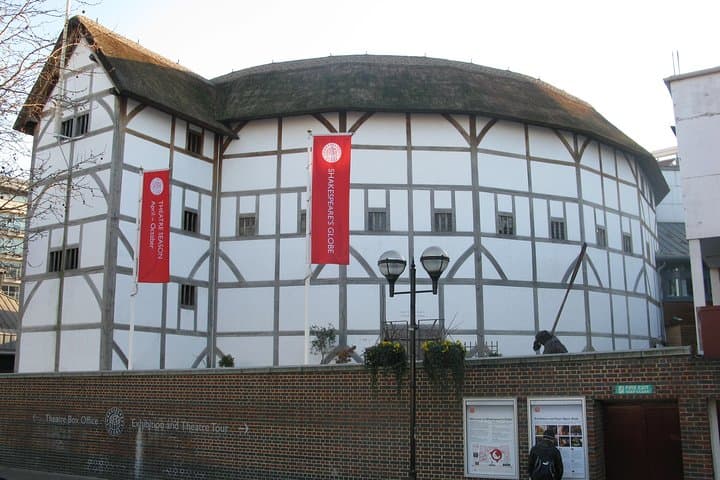
This private South Bank walk threads two millennia of London life. Roman quays gave way to medieval docks, then to the smuggling and shipbuilding booms that launched the Mayflower. Here Brunel carved the city's first underwater tunnel; Dickens set his poorest characters among these creeks and alleys. The route visits ruined palaces, convict burial grounds, a replica exploration ship and the church tied to the Pilgrim Fathers — history that feels immediate along the river's edge.
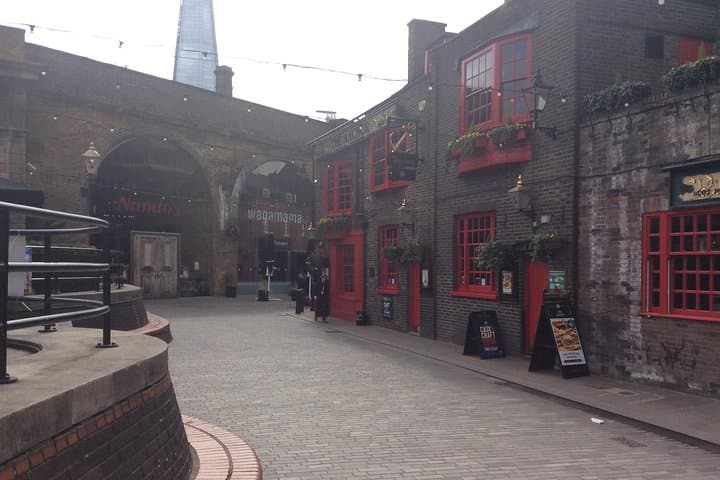
Geologically the Thames plain is recent alluvium — mudflats reclaimed and raised over centuries — which explains the winding creeks and the long list of marshland stories underfoot. Culturally the South Bank is equally layered: theatres and galleries housed in former industrial structures, working food markets, and pubs that still show their ribs to the river.
Practicalities: expect three hours of mostly flat walking on paved paths, cobbles and occasional stairs; the tour is private and wheelchair accessible with advance notice. Start mid-morning to avoid rush-hour crowds, wear waterproof layers for unpredictable weather, and bring comfortable shoes for uneven surfaces. Your guide will tailor stories and stops — from secret yards to the Mayflower pub — so you leave with a clear sense of how the river shaped London and the people who shaped its river.
moderate.
3 hours.
Moderate — able to walk continuously with short stops for three hours; comfortable on uneven pavements.
Start and end points can be arranged with your guide, typically on the South Bank near a central meeting spot such as near Tate Modern or London Bridge.
Yes — the operator notes wheelchair-accessible routes and transport if requested at booking, though some historic sites may have limited access.
About three hours of walking with several short stops; the pace is steady but relaxed with time to explore selected sites.
Yes — as a private tour, guides will adjust emphasis on maritime history, Dickensian London, engineering, or food stops per your preferences.
South Bank evolved from Roman docks into a hub for shipbuilding, smuggling and industrial trade; the Mayflower and Brunel’s tunnel both have direct links to this stretch of the Thames.
The Thames’ water quality has improved markedly, but the area’s historic fabric is fragile — stick to paths, avoid touching delicate memorials and support local conservation-focused museums and trusts.
Ye Olde England Tours operates guided outdoor trips and adventures with an emphasis on safety, stewardship, and memorable experiences.
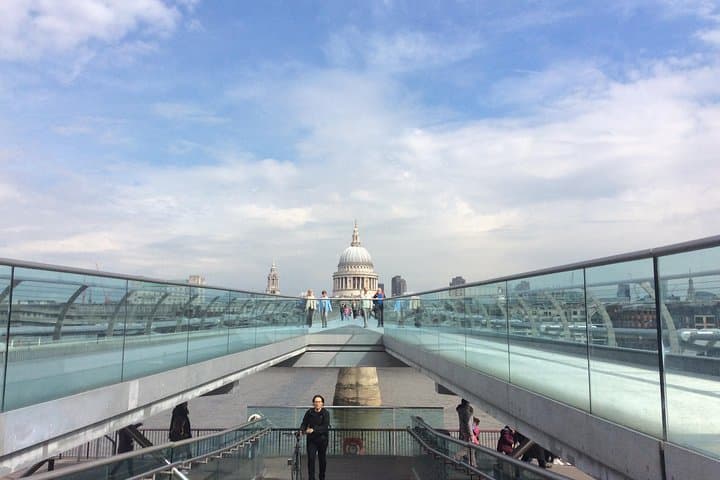
You step off the bridge and the Thames greets you: a wide, slow current pushing barges and dayboats past converted warehouses and glass-faced developments. The air tastes faintly of river and frying oil from a nearby market; voices and gulls trade place across the water as your guide points the way.
You step off the bridge and the Thames greets you: a wide, slow current pushing barges and dayboats past converted warehouses and glass-faced developments. The air tastes faintly of river and frying oil from a nearby market; voices and gulls trade place across the water as your guide points the way.
This private South Bank walk threads two millennia of London life. Roman quays gave way to medieval docks, then to the smuggling and shipbuilding booms that launched the Mayflower. Here Brunel carved the city's first underwater tunnel; Dickens set his poorest characters among these creeks and alleys. The route visits ruined palaces, convict burial grounds, a replica exploration ship and the church tied to the Pilgrim Fathers — history that feels immediate along the river's edge.
Geologically the Thames plain is recent alluvium — mudflats reclaimed and raised over centuries — which explains the winding creeks and the long list of marshland stories underfoot. Culturally the South Bank is equally layered: theatres and galleries housed in former industrial structures, working food markets, and pubs that still show their ribs to the river.
Practicalities: expect three hours of mostly flat walking on paved paths, cobbles and occasional stairs; the tour is private and wheelchair accessible with advance notice. Start mid-morning to avoid rush-hour crowds, wear waterproof layers for unpredictable weather, and bring comfortable shoes for uneven surfaces. Your guide will tailor stories and stops — from secret yards to the Mayflower pub — so you leave with a clear sense of how the river shaped London and the people who shaped its river.