THE ADVENTURE COLLECTIVE® · Independent discovery and booking for outdoor travel

Walk the walled compound of Mayapán—the last great Postclassic Maya capital—then cool off with a swim in Nah Yah cenote. This 5-hour shore excursion from Progreso pairs history, karst geology, and a refreshing underground pool.
Walk the walled compound of Mayapán—the last great Postclassic Maya capital—then cool off with a swim in Nah Yah cenote. This 5-hour shore excursion from Progreso pairs history, karst geology, and a refreshing underground pool.
You step off the air-conditioned van into a temperature that presses like a warm hand against your neck; wind moves through low scrub and the great stone wall of Mayapán rises ahead, a jagged outline against flat Yucatán plains. Your guide points to the pyramidal silhouette of the Temple of Kukulcán while distant birds circle the plaza, and for a moment the site reads like a lived-in map—paths, plazas, altars—frozen mid-ceremony.
Verified experiences and guided adventures in the surrounding area.
Operated by Shore Excursions Mexico by Criss & Sands Travel · Mérida, Yucatán
You step off the air-conditioned van into a temperature that presses like a warm hand against your neck; wind moves through low scrub and the great stone wall of Mayapán rises ahead, a jagged outline against flat Yucatán plains. Your guide points to the pyramidal silhouette of the Temple of Kukulcán while distant birds circle the plaza, and for a moment the site reads like a lived-in map—paths, plazas, altars—frozen mid-ceremony.
Mayapán was one of the last major capitals of the Postclassic Maya; its 9 km defensive wall and dense cluster of colonnaded halls mark a city reorganized after the Classic collapse. Geologically the region is classic karst limestone: sinkholes and underground rivers formed by dissolved bedrock, which is why cenotes like Nah Yah exist—collapsed caverns exposing aquifers that stay cool year-round.
Culturally you’ll hear about lineage, trade networks, and the ritual role of cenotes for freshwater and offerings. Locals often combine visits with small roadside eateries serving cochinita pibil and fresh fruit—simple, regional food that speaks to Yucatán’s culinary roots.
Practically: expect five hours total including transport, roughly 45–60 minutes exploring ruins and about an hour at the cenote. Wear water-friendly shoes and a swimsuit under your clothes, leave sunscreen in the van (biodegradable options only and rinse before entering), and bring a dry change of clothes. The route is mostly flat with stone steps at the site and a 9-meter wooden stair down to the cenote; moderate fitness makes the day easy and enjoyable.
moderate.
5 hours.
Moderate fitness; able to climb stairs and walk on uneven stone surfaces for short periods
Admission is typically not included in some shore excursions; confirm with your provider—this tour itinerary notes admission is not included.
Children can join but must be accompanied by an adult; infant seats are available for transport on request.
Most cenote sites offer basic changing areas and restrooms, but facilities are rustic—bring a dry bag for belongings.
Remove sunscreen and heavy jewelry before entering the cenote; oils damage the water and jewelry can be lost in deep pools.
Mayapán became a political and religious center in the Late Postclassic period; its concentric architecture and long defensive wall indicate an intensely organized urban life after the Classic Maya decline.
Cenotes are fragile freshwater systems—avoid sunscreens, dispose of trash properly, and follow guide instructions to protect water quality and archaeological features.
Shore Excursions Mexico by Criss & Sands Travel operates guided outdoor trips and adventures with an emphasis on safety, stewardship, and memorable experiences.
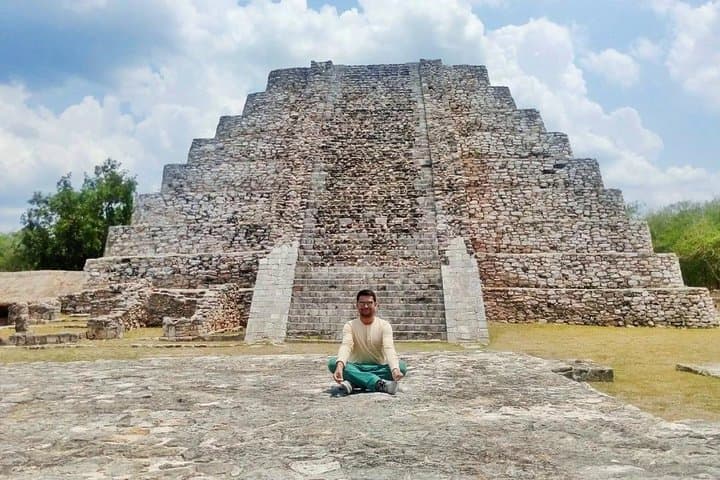
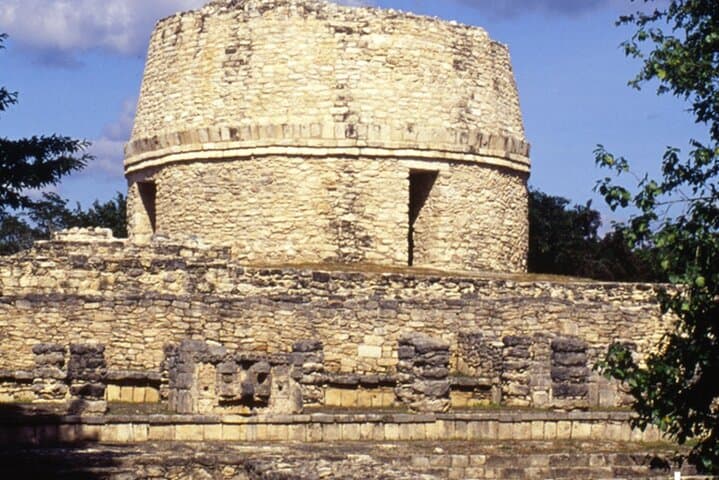
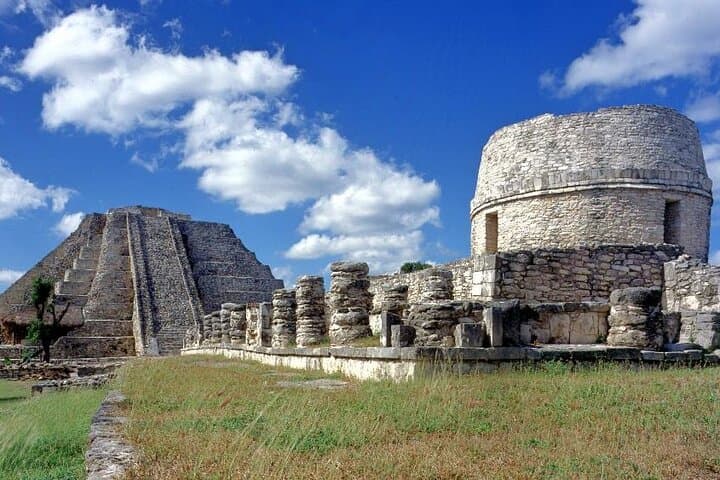
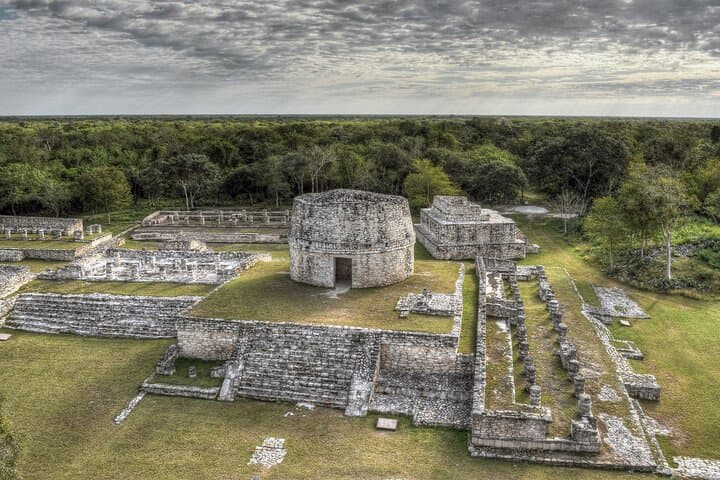
You step off the air-conditioned van into a temperature that presses like a warm hand against your neck; wind moves through low scrub and the great stone wall of Mayapán rises ahead, a jagged outline against flat Yucatán plains. Your guide points to the pyramidal silhouette of the Temple of Kukulcán while distant birds circle the plaza, and for a moment the site reads like a lived-in map—paths, plazas, altars—frozen mid-ceremony.
You step off the air-conditioned van into a temperature that presses like a warm hand against your neck; wind moves through low scrub and the great stone wall of Mayapán rises ahead, a jagged outline against flat Yucatán plains. Your guide points to the pyramidal silhouette of the Temple of Kukulcán while distant birds circle the plaza, and for a moment the site reads like a lived-in map—paths, plazas, altars—frozen mid-ceremony.
Mayapán was one of the last major capitals of the Postclassic Maya; its 9 km defensive wall and dense cluster of colonnaded halls mark a city reorganized after the Classic collapse. Geologically the region is classic karst limestone: sinkholes and underground rivers formed by dissolved bedrock, which is why cenotes like Nah Yah exist—collapsed caverns exposing aquifers that stay cool year-round.
Culturally you’ll hear about lineage, trade networks, and the ritual role of cenotes for freshwater and offerings. Locals often combine visits with small roadside eateries serving cochinita pibil and fresh fruit—simple, regional food that speaks to Yucatán’s culinary roots.
Practically: expect five hours total including transport, roughly 45–60 minutes exploring ruins and about an hour at the cenote. Wear water-friendly shoes and a swimsuit under your clothes, leave sunscreen in the van (biodegradable options only and rinse before entering), and bring a dry change of clothes. The route is mostly flat with stone steps at the site and a 9-meter wooden stair down to the cenote; moderate fitness makes the day easy and enjoyable.