THE ADVENTURE COLLECTIVE® · Independent discovery and booking for outdoor travel

An eight-day curated program that pairs Cozumel reef dives with guided cenote exploration from Playa del Carmen. Expect short boat runs, guided cavern entries, haloclines and crystal-clear freshwater visibility—ideal for certified divers seeking varied underwater terrain.
An eight-day curated program that pairs Cozumel reef dives with guided cenote exploration from Playa del Carmen. Expect short boat runs, guided cavern entries, haloclines and crystal-clear freshwater visibility—ideal for certified divers seeking varied underwater terrain.
Morning light on the Caribbean throws silver across a small dive boat as tanks clink and instructors check gauges—this is the rhythm of an eight-day dive cycle based in Playa del Carmen. Over the week divers move between shallow reefs off Cozumel and the inland, otherworldly cenotes where shafts of sunlight pierce cathedral-like voids.
Verified experiences and guided adventures in the surrounding area.
Operated by Diversland Mexico · Playa del Carmen, Quintana Roo
Morning light on the Caribbean throws silver across a small dive boat as tanks clink and instructors check gauges—this is the rhythm of an eight-day dive cycle based in Playa del Carmen. Over the week divers move between shallow reefs off Cozumel and the inland, otherworldly cenotes where shafts of sunlight pierce cathedral-like voids.
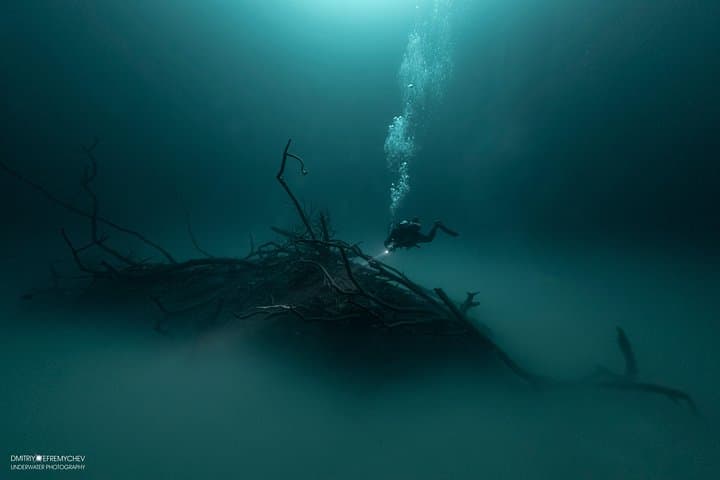
Geology here is an active story: Yucatán’s limestone has dissolved over millennia to form sinkholes and cave systems, producing clear, mineral-rich cenotes and the haloclines at sites like Angelita where fresh and salt water layer and “push” the diver’s senses. The Maya regarded many cenotes as portals; today local communities and operators balance tourism with respect for those meanings.
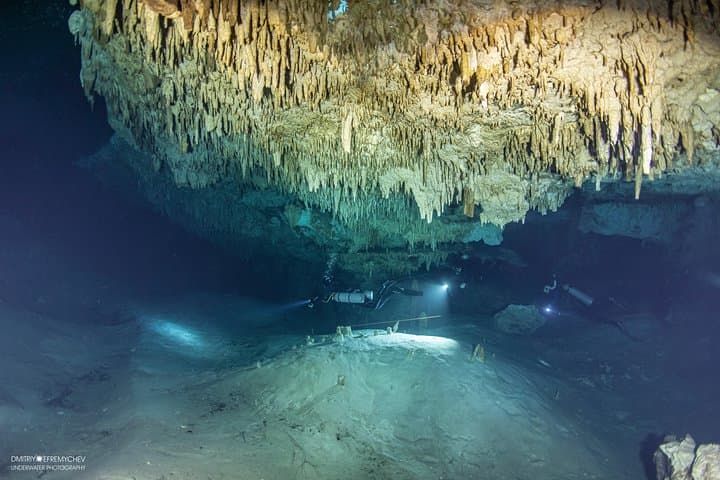
Expect short boat runs (10–20 minutes) to Cozumel reefs and half-day drives to cenote clusters. Cenote dives often use a 4:1 diver-to-instructor ratio, limited entry points, and require solid buoyancy and navigation—some passages lead to low-light tunnels, others to open caverns. Days are structured: morning departures for cenotes or two boat trips from Playa del Carmen, midday surface intervals with snacks and bottled water, and gear storage/drying back at the dive center.
Practical shortlist: bring certification cards (Advanced recommended for many cenotes), a reef-safe sunscreen, a 3–5mm wetsuit for thermal comfort, and a reliable dive computer. Don’t fly within 24 hours of your last dive. Hydrate between dives, control your buoyancy, and follow your guide’s briefings—these waters are stunning but demand attention.
challenging.
8 days.
Fit enough for multiple daily dives and short boat or van transfers; good buoyancy control and comfort with overhead-lite environments recommended.
Yes—evidence of dive certification is required; Advanced Open Water or equivalent is recommended for many cenote sites.
Minimum age is 10 for reef diving and 15 for cenote diving due to the complexity and overhead environment.
No—avoid flying within 24 hours of your last dive to reduce risk of decompression sickness; consult the operator for scheduling.
Cenote diving ranges from open-cavern entry to overhead environments; guides limit penetration and require appropriate skills—full cave certification is not always necessary but advanced training improves safety and experience.
Cenotes were central to Maya ritual and survival—many served as freshwater sources and held cultural significance that modern guides acknowledge and protect.
Coral reefs and cenotes are sensitive: use reef-safe sunscreen, avoid touching formations, and support operators that follow local conservation guidelines and limit group sizes.
Diversland Mexico operates guided outdoor trips and adventures with an emphasis on safety, stewardship, and memorable experiences.
Morning light on the Caribbean throws silver across a small dive boat as tanks clink and instructors check gauges—this is the rhythm of an eight-day dive cycle based in Playa del Carmen. Over the week divers move between shallow reefs off Cozumel and the inland, otherworldly cenotes where shafts of sunlight pierce cathedral-like voids.
Morning light on the Caribbean throws silver across a small dive boat as tanks clink and instructors check gauges—this is the rhythm of an eight-day dive cycle based in Playa del Carmen. Over the week divers move between shallow reefs off Cozumel and the inland, otherworldly cenotes where shafts of sunlight pierce cathedral-like voids.
Geology here is an active story: Yucatán’s limestone has dissolved over millennia to form sinkholes and cave systems, producing clear, mineral-rich cenotes and the haloclines at sites like Angelita where fresh and salt water layer and “push” the diver’s senses. The Maya regarded many cenotes as portals; today local communities and operators balance tourism with respect for those meanings.
Expect short boat runs (10–20 minutes) to Cozumel reefs and half-day drives to cenote clusters. Cenote dives often use a 4:1 diver-to-instructor ratio, limited entry points, and require solid buoyancy and navigation—some passages lead to low-light tunnels, others to open caverns. Days are structured: morning departures for cenotes or two boat trips from Playa del Carmen, midday surface intervals with snacks and bottled water, and gear storage/drying back at the dive center.
Practical shortlist: bring certification cards (Advanced recommended for many cenotes), a reef-safe sunscreen, a 3–5mm wetsuit for thermal comfort, and a reliable dive computer. Don’t fly within 24 hours of your last dive. Hydrate between dives, control your buoyancy, and follow your guide’s briefings—these waters are stunning but demand attention.