THE ADVENTURE COLLECTIVE® · Independent discovery and booking for outdoor travel

Spend a full day out of Playa del Carmen exploring a Maya archaeological site by bike, receiving a traditional blessing, spotting spider monkeys, riding a zipline, canoeing a lagoon and swimming in a ceremonial cenote. Practical tips and what to expect for this 5-hour adventure.
Spend a full day out of Playa del Carmen exploring a Maya archaeological site by bike, receiving a traditional blessing, spotting spider monkeys, riding a zipline, canoeing a lagoon and swimming in a ceremonial cenote. Practical tips and what to expect for this 5-hour adventure.
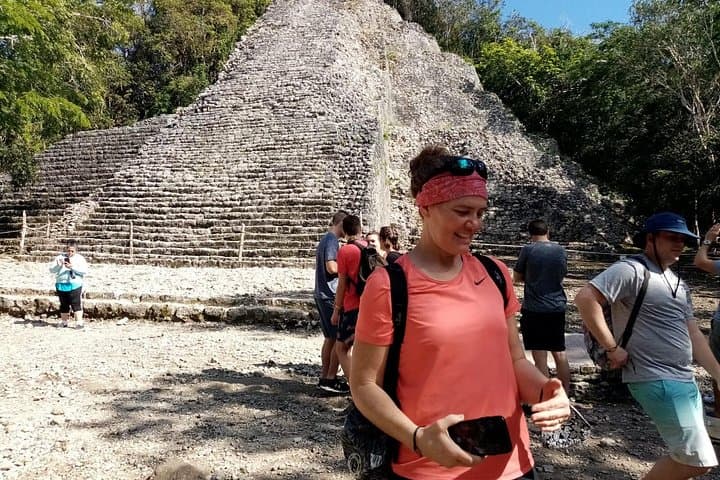
The morning opens with a cool, humid breath of jungle as the minivan leaves Playa del Carmen behind and the limestone plain tightens into dense green. Guides brief the group at a compact Maya site; stone steps and low walls give way to cicadas and the distant call of monkeys. Riders mount bicycles for a quiet hour among ruins, then move into deeper forest where the air smells of wet earth and orchids. A local shaman performs a short blessing at the jungle edge—an old-world pause that anchors the day between past and present.
Verified experiences and guided adventures in the surrounding area.
Operated by Caribbean Expeditions · Playa del Carmen, Quintana Roo
The morning opens with a cool, humid breath of jungle as the minivan leaves Playa del Carmen behind and the limestone plain tightens into dense green. Guides brief the group at a compact Maya site; stone steps and low walls give way to cicadas and the distant call of monkeys. Riders mount bicycles for a quiet hour among ruins, then move into deeper forest where the air smells of wet earth and orchids. A local shaman performs a short blessing at the jungle edge—an old-world pause that anchors the day between past and present.
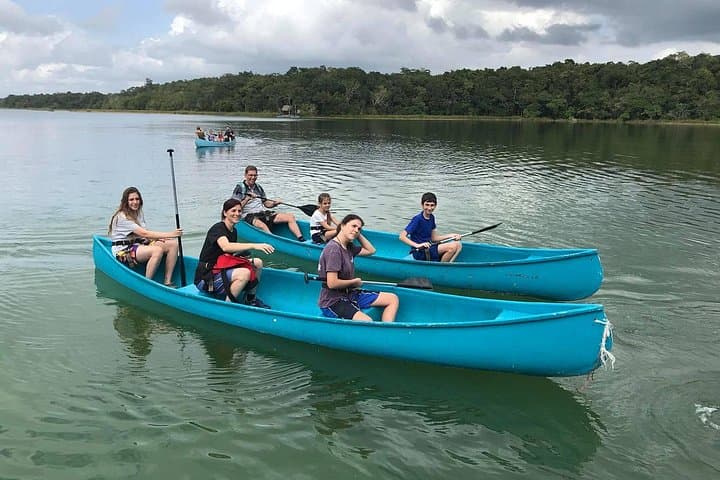
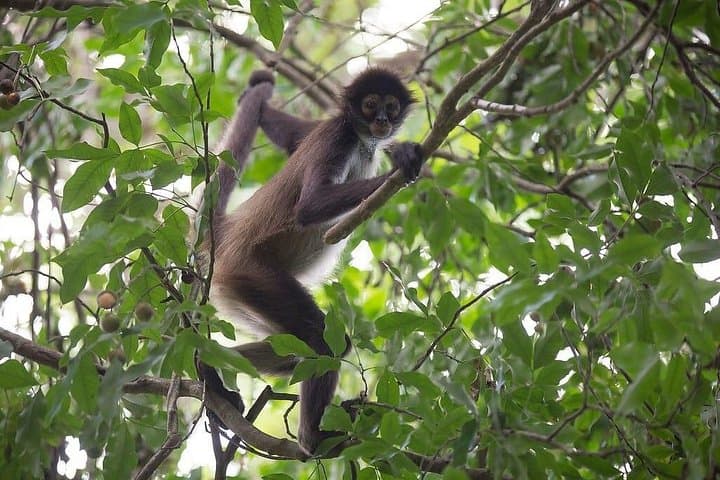
This route threads together the Riviera Maya’s layered history: classic-period temples used for civic ritual, cenotes carved by collapsed limestone that reveal the region’s karst geology, and mangrove-lined lagoons that supported pre-Hispanic travel. Expect to encounter spider monkeys in the canopy and a chorus of tropical birds close to water. Culture and geology meet practically here: cenotes acted as ceremonial wells and supply fresh aquifer water, while the porous limestone shapes trails, sinkholes, and hidden caverns.
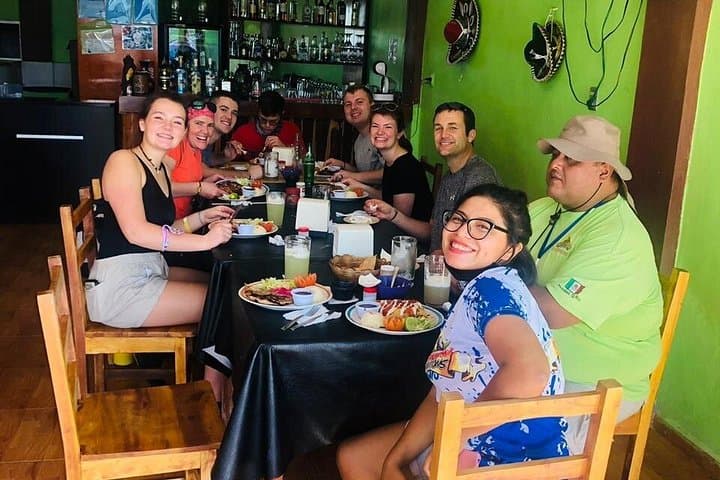
Practical guidance: the full loop is five hours and requires moderate fitness—short hikes, a one-hour bike loop, a canoe, a zipline, and a swim in a cavern cenote. Bring reef-safe sunscreen, insect repellent, a quick-dry swimsuit, sturdy closed-toe shoes for mixed terrain, and a small waterproof bag for phones and cash. Hydrate before arrival; guides supply lunch, soda, and air-conditioned transfers. Be prepared for uneven steps, low-light swims, and cultural protocols—photography inside sacred cenotes may be restricted. Timing your visit for earlier departures reduces heat and increases wildlife activity. This is a hands-on day where archaeology, adrenaline, and jungle life press close together—active, educational, and rooted to place.
moderate.
5 hours.
Participants should have moderate fitness: able to cycle about an hour, walk uneven trails, and swim in low-light conditions.
The tour lasts about five hours and typically includes private air-conditioned transport, lunch, soda, a guide, and equipment for activities (bike, canoe, life jacket).
Non-swimmers can participate with a life jacket and guide support, but comfort in water and basic swimming ability are recommended for safety in low-light cave conditions.
This activity is not recommended for pregnant travelers or those with spinal, severe heart, or serious mobility issues; moderate fitness is required for biking and short hikes.
Photography rules vary; many operators restrict photos inside ceremonial cenotes out of respect. Ask guides before photographing rituals or sensitive areas.
The Yucatán’s sinkhole-filled limestone formed a network of cenotes that ancient Maya considered entrances to the underworld and used for water and ritual; nearby ruins reflect centuries of civic and ceremonial life.
Visitors should avoid sunscreen or products that harm aquatic life, not touch cave formations or exposed artifacts, and carry out all trash; guides typically enforce rules to protect cenotes and archaeological areas.
Caribbean Expeditions operates guided outdoor trips and adventures with an emphasis on safety, stewardship, and memorable experiences.
The morning opens with a cool, humid breath of jungle as the minivan leaves Playa del Carmen behind and the limestone plain tightens into dense green. Guides brief the group at a compact Maya site; stone steps and low walls give way to cicadas and the distant call of monkeys. Riders mount bicycles for a quiet hour among ruins, then move into deeper forest where the air smells of wet earth and orchids. A local shaman performs a short blessing at the jungle edge—an old-world pause that anchors the day between past and present.
The morning opens with a cool, humid breath of jungle as the minivan leaves Playa del Carmen behind and the limestone plain tightens into dense green. Guides brief the group at a compact Maya site; stone steps and low walls give way to cicadas and the distant call of monkeys. Riders mount bicycles for a quiet hour among ruins, then move into deeper forest where the air smells of wet earth and orchids. A local shaman performs a short blessing at the jungle edge—an old-world pause that anchors the day between past and present.
This route threads together the Riviera Maya’s layered history: classic-period temples used for civic ritual, cenotes carved by collapsed limestone that reveal the region’s karst geology, and mangrove-lined lagoons that supported pre-Hispanic travel. Expect to encounter spider monkeys in the canopy and a chorus of tropical birds close to water. Culture and geology meet practically here: cenotes acted as ceremonial wells and supply fresh aquifer water, while the porous limestone shapes trails, sinkholes, and hidden caverns.
Practical guidance: the full loop is five hours and requires moderate fitness—short hikes, a one-hour bike loop, a canoe, a zipline, and a swim in a cavern cenote. Bring reef-safe sunscreen, insect repellent, a quick-dry swimsuit, sturdy closed-toe shoes for mixed terrain, and a small waterproof bag for phones and cash. Hydrate before arrival; guides supply lunch, soda, and air-conditioned transfers. Be prepared for uneven steps, low-light swims, and cultural protocols—photography inside sacred cenotes may be restricted. Timing your visit for earlier departures reduces heat and increases wildlife activity. This is a hands-on day where archaeology, adrenaline, and jungle life press close together—active, educational, and rooted to place.