THE ADVENTURE COLLECTIVE® · Independent discovery and booking for outdoor travel

A compact full-day archaeology route from San Salvador that visits Joya de Cerén’s preserved village, the ceremonial center of San Andrés, the towering pyramid at Tazumal, and the dramatic blue of Lake Coatepeque. Ideal for history lovers who want hands-on context without backcountry effort.
A compact full-day archaeology route from San Salvador that visits Joya de Cerén’s preserved village, the ceremonial center of San Andrés, the towering pyramid at Tazumal, and the dramatic blue of Lake Coatepeque. Ideal for history lovers who want hands-on context without backcountry effort.
You leave San Salvador before sunrise, the road slicing through coffee country as distant volcanoes darken the horizon. By midmorning the caldera of Lake Coatepeque opens like a bowl of changing blues, daring you to look longer; later, compact plazas and pyramids line up under a high, dry sky.
Verified experiences and guided adventures in the surrounding area.
Operated by Eco Tours Petate · San Salvador, San Salvador
You leave San Salvador before sunrise, the road slicing through coffee country as distant volcanoes darken the horizon. By midmorning the caldera of Lake Coatepeque opens like a bowl of changing blues, daring you to look longer; later, compact plazas and pyramids line up under a high, dry sky.
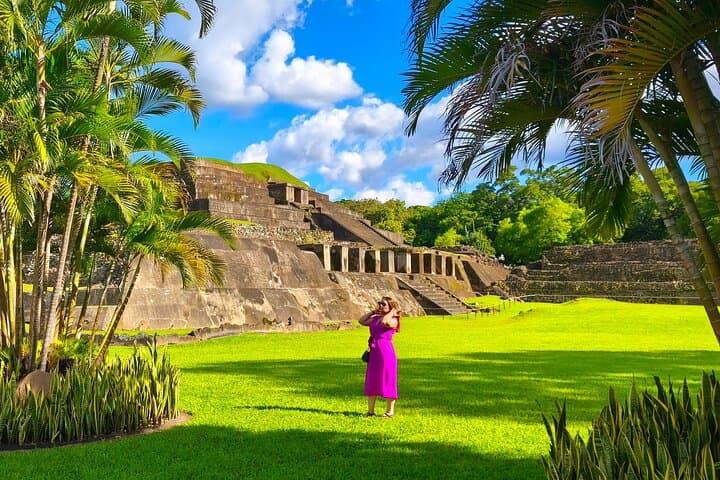
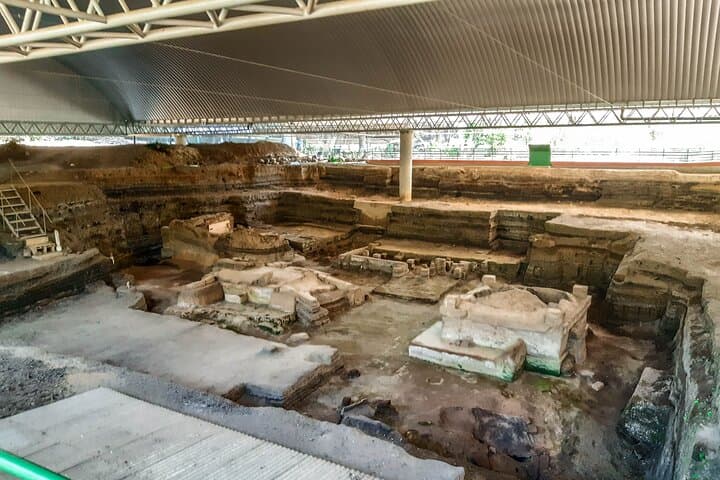
This full-day route stitches together three different archaeological chapters. Joya de Cerén is a rare frozen moment: a farming village sealed by volcanic ash around 1400 years ago and preserved so ordinary houses, kitchens and collective saunas survive with household detail intact. Nearby San Andrés served as a ceremonial and political hub from roughly 500–900 AD, its plazas and acropolis reflecting trade ties with Copán and Teotihuacán. Tazumal, with a 24-meter pyramid and multi-stage construction, records centuries of regional influence and funerary practice.
The geology is obvious — volcanic soils created fertile valleys and ash preserved whole households; volcanic craters now hold cobalt lakes. Cultural notes: small local museums and modest community markets flank most sites, and interpretive signage is present but sparse, so guides add important context.
Practicalities: expect an eight-hour day with short walks on packed earth, stone steps, and some shade; admission and national park fees are typically included, and most operators provide hotel pickup and drop-off. Wear sturdy walking shoes, sun protection and bring water; mornings are cooler and afternoons hot. Keep to marked paths to protect fragile ruins and artifacts, and bring cash for small museum fees and local vendors.
moderate.
8 hours.
Comfortable with several short walks and some stair climbing; suitable for most activity levels
The tour is approximately 8 hours; national park and site admission fees are typically included in the tour price.
Yes — walking is moderate with short distances; mobility issues should be discussed with the operator ahead of booking.
Most full-day itineraries include viewpoints and short stops at the lake but not extended swim time; confirm with the operator if you want to add a lakeside break.
Professional guides are usually provided and group sizes are typically small (around 10 travelers); request language preferences when booking.
These sites reflect layered pre-Columbian networks: domestic life at Joya de Cerén, regional administration at San Andrés, and long occupation with external influences at Tazumal.
Sites are fragile — sticking to paths and following guide instructions minimizes wear. Supporting local guides and small museums helps fund preservation and community livelihoods.
Eco Tours Petate operates guided outdoor trips and adventures with an emphasis on safety, stewardship, and memorable experiences.


You leave San Salvador before sunrise, the road slicing through coffee country as distant volcanoes darken the horizon. By midmorning the caldera of Lake Coatepeque opens like a bowl of changing blues, daring you to look longer; later, compact plazas and pyramids line up under a high, dry sky.
You leave San Salvador before sunrise, the road slicing through coffee country as distant volcanoes darken the horizon. By midmorning the caldera of Lake Coatepeque opens like a bowl of changing blues, daring you to look longer; later, compact plazas and pyramids line up under a high, dry sky.
This full-day route stitches together three different archaeological chapters. Joya de Cerén is a rare frozen moment: a farming village sealed by volcanic ash around 1400 years ago and preserved so ordinary houses, kitchens and collective saunas survive with household detail intact. Nearby San Andrés served as a ceremonial and political hub from roughly 500–900 AD, its plazas and acropolis reflecting trade ties with Copán and Teotihuacán. Tazumal, with a 24-meter pyramid and multi-stage construction, records centuries of regional influence and funerary practice.
The geology is obvious — volcanic soils created fertile valleys and ash preserved whole households; volcanic craters now hold cobalt lakes. Cultural notes: small local museums and modest community markets flank most sites, and interpretive signage is present but sparse, so guides add important context.
Practicalities: expect an eight-hour day with short walks on packed earth, stone steps, and some shade; admission and national park fees are typically included, and most operators provide hotel pickup and drop-off. Wear sturdy walking shoes, sun protection and bring water; mornings are cooler and afternoons hot. Keep to marked paths to protect fragile ruins and artifacts, and bring cash for small museum fees and local vendors.