THE ADVENTURE COLLECTIVE® · Independent discovery and booking for outdoor travel

Covering Tulum, Coba, Uxmal and Chichen Itza over four days, this tour compresses the highlights of Classic Maya culture into a manageable loop. Early starts, limestone plains and colonial towns make it both a cultural and outdoor itinerary worth planning for.
Covering Tulum, Coba, Uxmal and Chichen Itza over four days, this tour compresses the highlights of Classic Maya culture into a manageable loop. Early starts, limestone plains and colonial towns make it both a cultural and outdoor itinerary worth planning for.
A dry wind carries salt and dust as the van leaves Cancun and the limestone lowlands begin to unfold — low scrub, stone mounds, and the occasional stand of taller jungle daring you to slow down. Over the next four days the route reads like a field guide to Classic Maya achievement: Tulum’s cliffside temples, Coba’s jungle-swathed stelae, the Puuc facades of Uxmal, and the monumental plane of Chichen Itza.
Verified experiences and guided adventures in the surrounding area.
Operated by Special Mayan Tours Cancun · Cancun, Quintana Roo
A dry wind carries salt and dust as the van leaves Cancun and the limestone lowlands begin to unfold — low scrub, stone mounds, and the occasional stand of taller jungle daring you to slow down. Over the next four days the route reads like a field guide to Classic Maya achievement: Tulum’s cliffside temples, Coba’s jungle-swathed stelae, the Puuc facades of Uxmal, and the monumental plane of Chichen Itza.
These sites are chapters in a long history: trade ports on turquoise coasts, inland cities that rose with complex hydraulic engineering, and later colonial towns such as Valladolid and Mérida that layered Spanish plazas atop Maya marketplaces. Geologically the Yucatán is a broad karst platform — limestone bedrock riddled with cenotes that provided freshwater and shaped settlement patterns.
Culturally, expect a blend of living Maya communities, colonial architecture, and regional cuisine—cochinita pibil and fresh tortillas—served in town squares. Natural details matter here: iguanas sun on low walls and tropical birds lift off like punctuation from the trees.
Practical edge: mornings are cooler and best for ruins to avoid heat and crowds; many guides schedule Uxmal and Chichen Itza early for that reason. Bring a refillable water bottle, sun protection, and comfortable walking shoes with good traction for uneven stone and small climbs. Hotels on the itinerary (Valladolid, Uxmal, Piste) break the travel rhythm, giving time to rest between longer driving segments. Respect posted rules at monuments — some structures are closed to climbing to protect fragile stonework. With basic fitness and sensible gear, this four-day loop gives a compact, authoritative view of southern Yucatán’s archaeology and landscape.
moderate.
3–4 days.
Moderate fitness; able to walk 2–4 miles per day over uneven terrain and tolerate warm temperatures
Yes — this tour lists admissions to the major archaeological sites as included in the package.
Pick-up typically starts in the Cancun area; final drop-off is offered in Cancun or Playa del Carmen as listed.
The tour involves walking on uneven stone and some climbs; it’s not recommended for those with significant spinal or mobility issues.
Mexico uses the peso; Spanish is predominant though tour guides and some staff in tourist areas commonly speak English.
These sites reflect centuries of Maya urbanism, trade networks along the Caribbean and Gulf, and later colonial overlays concentrated in cities like Mérida and Valladolid.
Many archaeological zones are actively conserved; visitors should avoid touching carvings, follow marked paths, and use local guides who support site protection.
Special Mayan Tours Cancun operates guided outdoor trips and adventures with an emphasis on safety, stewardship, and memorable experiences.
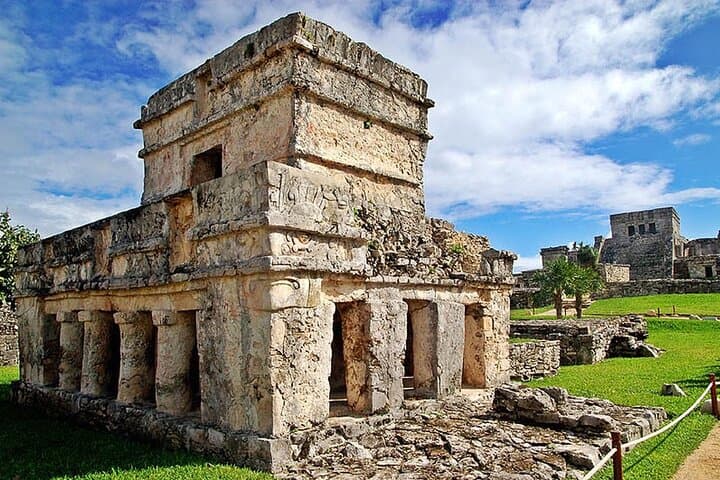
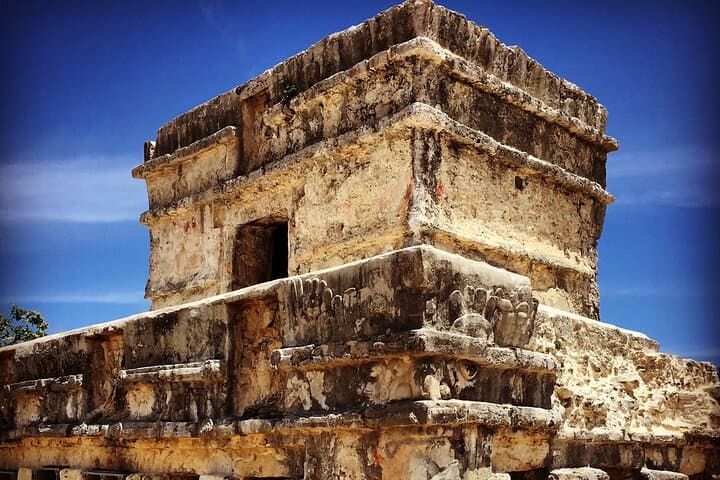
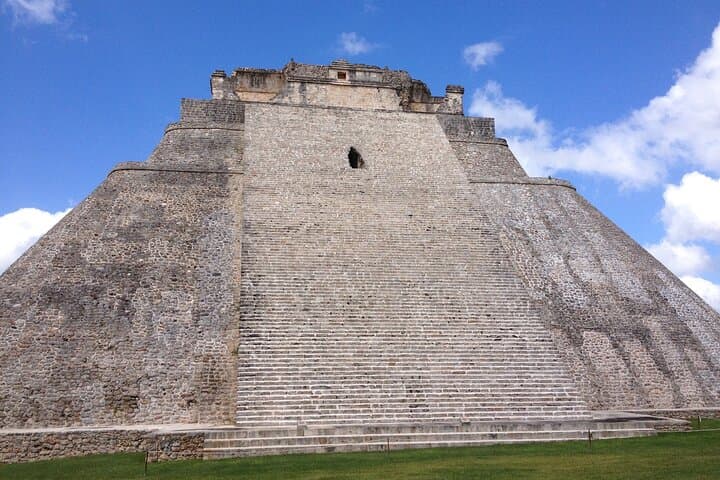
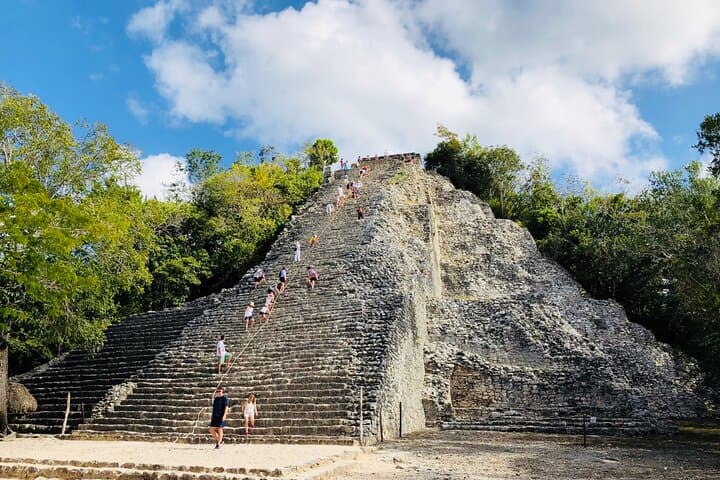
A dry wind carries salt and dust as the van leaves Cancun and the limestone lowlands begin to unfold — low scrub, stone mounds, and the occasional stand of taller jungle daring you to slow down. Over the next four days the route reads like a field guide to Classic Maya achievement: Tulum’s cliffside temples, Coba’s jungle-swathed stelae, the Puuc facades of Uxmal, and the monumental plane of Chichen Itza.
A dry wind carries salt and dust as the van leaves Cancun and the limestone lowlands begin to unfold — low scrub, stone mounds, and the occasional stand of taller jungle daring you to slow down. Over the next four days the route reads like a field guide to Classic Maya achievement: Tulum’s cliffside temples, Coba’s jungle-swathed stelae, the Puuc facades of Uxmal, and the monumental plane of Chichen Itza.
These sites are chapters in a long history: trade ports on turquoise coasts, inland cities that rose with complex hydraulic engineering, and later colonial towns such as Valladolid and Mérida that layered Spanish plazas atop Maya marketplaces. Geologically the Yucatán is a broad karst platform — limestone bedrock riddled with cenotes that provided freshwater and shaped settlement patterns.
Culturally, expect a blend of living Maya communities, colonial architecture, and regional cuisine—cochinita pibil and fresh tortillas—served in town squares. Natural details matter here: iguanas sun on low walls and tropical birds lift off like punctuation from the trees.
Practical edge: mornings are cooler and best for ruins to avoid heat and crowds; many guides schedule Uxmal and Chichen Itza early for that reason. Bring a refillable water bottle, sun protection, and comfortable walking shoes with good traction for uneven stone and small climbs. Hotels on the itinerary (Valladolid, Uxmal, Piste) break the travel rhythm, giving time to rest between longer driving segments. Respect posted rules at monuments — some structures are closed to climbing to protect fragile stonework. With basic fitness and sensible gear, this four-day loop gives a compact, authoritative view of southern Yucatán’s archaeology and landscape.