THE ADVENTURE COLLECTIVE® · Independent discovery and booking for outdoor travel

A full-day loop from Tulum that pairs cliff-top Maya ruins with jungle pyramids and a refreshing cenote swim. Expect a nine-hour outing with varied terrain, cultural context from a bilingual guide, and practical tips for staying comfortable and respectful on site.
A full-day loop from Tulum that pairs cliff-top Maya ruins with jungle pyramids and a refreshing cenote swim. Expect a nine-hour outing with varied terrain, cultural context from a bilingual guide, and practical tips for staying comfortable and respectful on site.
A salt-wind carries the Caribbean across the low cliff where Tulum’s stone walls stand—white limestone cut against blue sea. The day opens at the Tulum Ruins, where a certified guide lays out the site’s late-Postclassic role as a coastal trading port. Stones that once marked marketplaces and temples now frame the ocean; iguanas sun themselves on terraces and the breeze dares you toward the water.
Verified experiences and guided adventures in the surrounding area.
Operated by Altustours · Tulum, Quintana Roo
A salt-wind carries the Caribbean across the low cliff where Tulum’s stone walls stand—white limestone cut against blue sea. The day opens at the Tulum Ruins, where a certified guide lays out the site’s late-Postclassic role as a coastal trading port. Stones that once marked marketplaces and temples now frame the ocean; iguanas sun themselves on terraces and the breeze dares you toward the water.
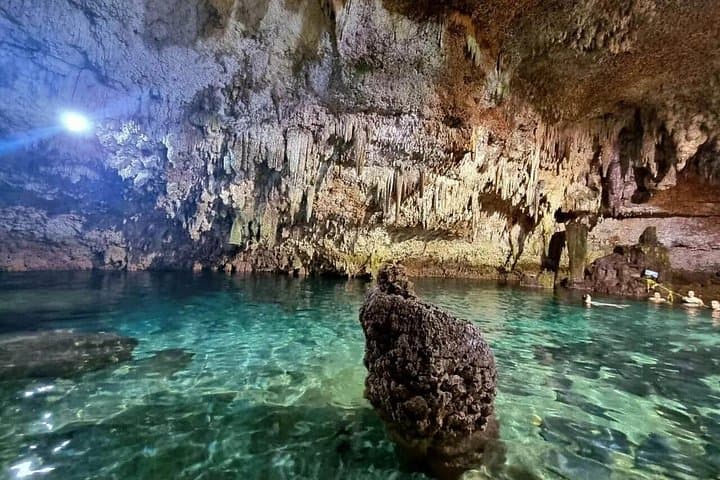
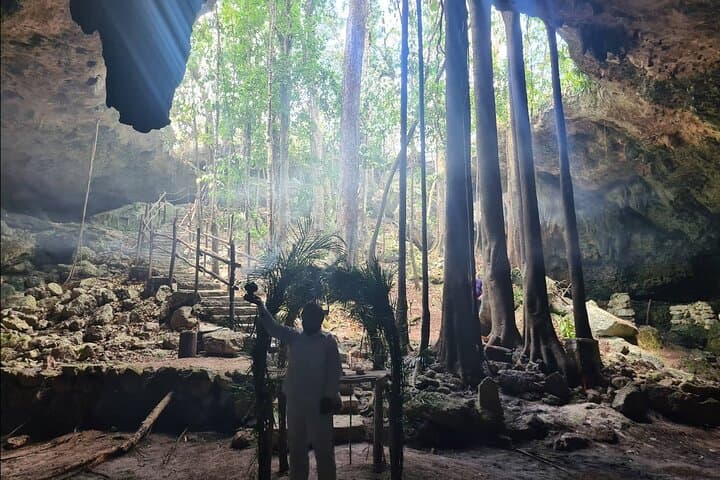
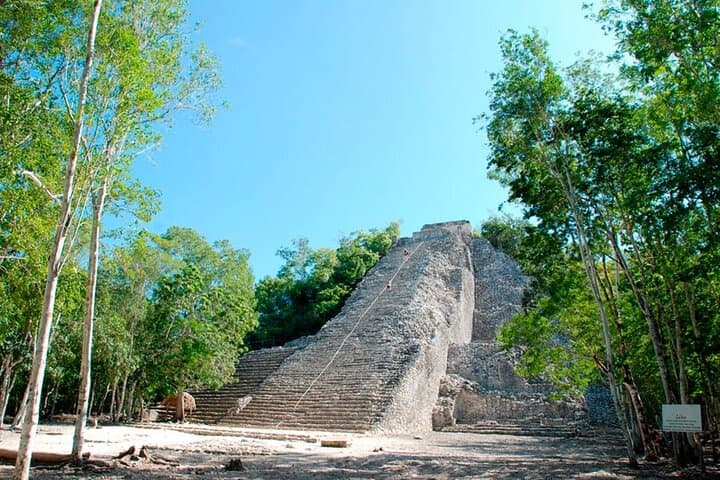
The tour moves inland to Coba, a broader site choked by jungle growth and connected by ancient elevated causeways (sacbe). Here the terrain shifts: packed earth, roots, and the vertigo of Nohoch Mul—the tallest pyramid on the peninsula—looming above the canopy. After archaeology and paths, the heat yields to the cool of Cenote Muul Ichi Ts’ono’ot, a semi-open sink where clear water cuts through limestone and invites a restorative swim.
This circuit threads cultural history, geology and living Maya traditions: Tulum’s seaside fortifications reflect coastal trade and defense; Coba’s network hints at wide political reach; cenotes are both aquifers and ceremonial sites. Local guides emphasize preservation—there’s a mandatory preservation tax for sites—and a respect for fragile underground water systems.
Practical notes: expect a long day (about nine hours) with varied footing, mandatory life vests at the cenote, and limited escort time in Coba (guide stays at bus). Bring biodegradable sunscreen, sturdy shoes that can get wet, and a water bottle. Timing matters—earlier starts cut the heat and crowds and sharpen light for ruins and photos.
moderate.
9 hours.
Reasonable fitness for walking on uneven stone, short climbs (stairs) and a swim; expect multi-mile cumulative walking.
No—there is a separate preservation tax (approximately 23 USD) required for access to protected sites and is not included in the booking price.
Visitors are often allowed to climb Nohoch Mul when open, but policies can change for conservation—follow guide and site signage.
Operators may substitute an alternate cenote depending on availability; the tour notes this and does not provide refunds for changes.
Return transportation to Tulum from Playa del Carmen is optional and not included if you choose to end the day in Playa del Carmen.
Tulum was a late-Postclassic Maya coastal trading port; Coba was a major inland center linked by sacbeob (white roads) to surrounding settlements.
Tour operators emphasize no-chemical sunscreens, mandatory life vests in cenotes, and a preservation tax to support site protection; stick to paths and follow guide instructions.
Altustours operates guided outdoor trips and adventures with an emphasis on safety, stewardship, and memorable experiences.
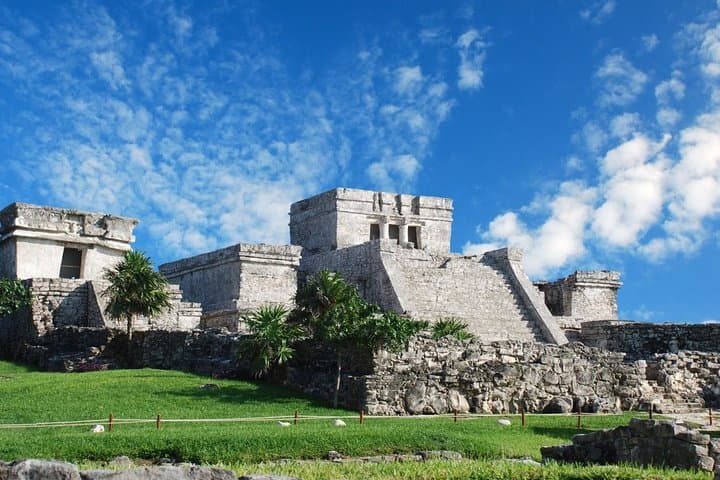
A salt-wind carries the Caribbean across the low cliff where Tulum’s stone walls stand—white limestone cut against blue sea. The day opens at the Tulum Ruins, where a certified guide lays out the site’s late-Postclassic role as a coastal trading port. Stones that once marked marketplaces and temples now frame the ocean; iguanas sun themselves on terraces and the breeze dares you toward the water.
A salt-wind carries the Caribbean across the low cliff where Tulum’s stone walls stand—white limestone cut against blue sea. The day opens at the Tulum Ruins, where a certified guide lays out the site’s late-Postclassic role as a coastal trading port. Stones that once marked marketplaces and temples now frame the ocean; iguanas sun themselves on terraces and the breeze dares you toward the water.
The tour moves inland to Coba, a broader site choked by jungle growth and connected by ancient elevated causeways (sacbe). Here the terrain shifts: packed earth, roots, and the vertigo of Nohoch Mul—the tallest pyramid on the peninsula—looming above the canopy. After archaeology and paths, the heat yields to the cool of Cenote Muul Ichi Ts’ono’ot, a semi-open sink where clear water cuts through limestone and invites a restorative swim.
This circuit threads cultural history, geology and living Maya traditions: Tulum’s seaside fortifications reflect coastal trade and defense; Coba’s network hints at wide political reach; cenotes are both aquifers and ceremonial sites. Local guides emphasize preservation—there’s a mandatory preservation tax for sites—and a respect for fragile underground water systems.
Practical notes: expect a long day (about nine hours) with varied footing, mandatory life vests at the cenote, and limited escort time in Coba (guide stays at bus). Bring biodegradable sunscreen, sturdy shoes that can get wet, and a water bottle. Timing matters—earlier starts cut the heat and crowds and sharpen light for ruins and photos.