THE ADVENTURE COLLECTIVE® · Independent discovery and booking for outdoor travel

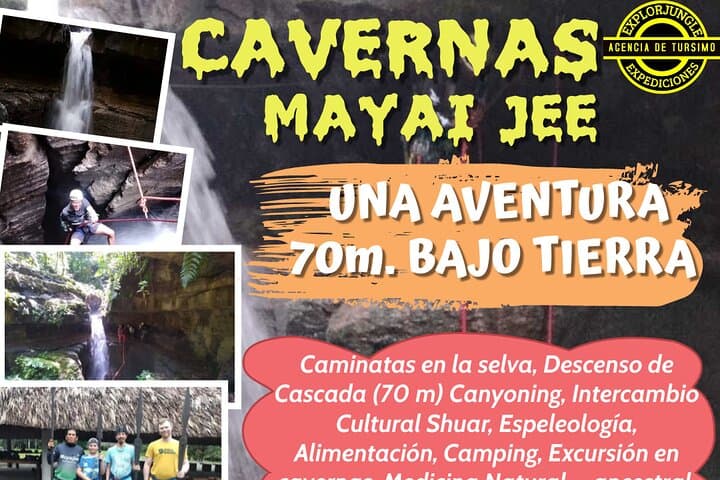
Descend a 70m waterfall into the Mayai Jee caverns near Puyo with a Shuar guide. This guided canyoning and caving day-trip blends technical ropework with close-up cave passages and local cultural interpretation.
Descend a 70m waterfall into the Mayai Jee caverns near Puyo with a Shuar guide. This guided canyoning and caving day-trip blends technical ropework with close-up cave passages and local cultural interpretation.
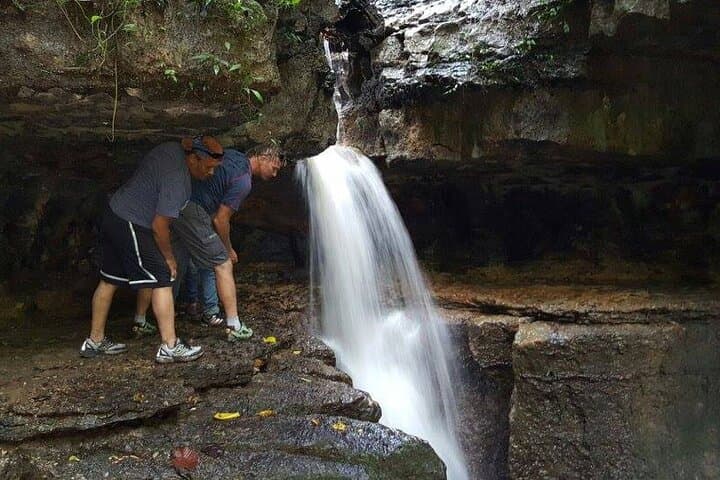
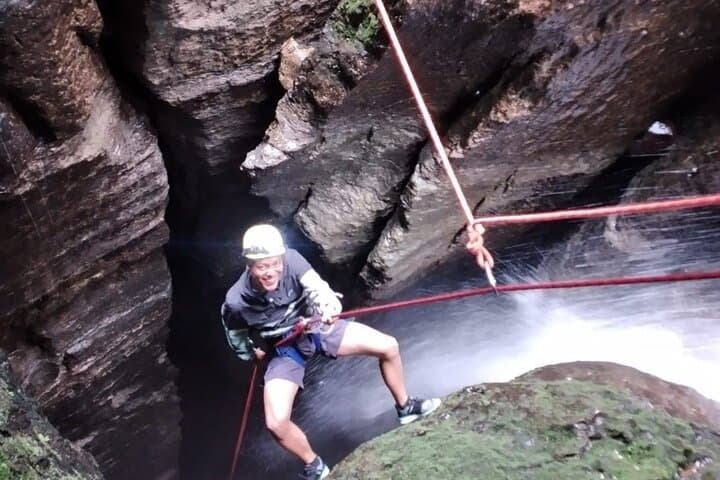
You step off the lip into cool spray and the jungle seems to hold its breath — the waterfall pulls at the rope as you descend 70 meters into the mouth of the Mayai Jee caverns. Stalactites drip like slow clocks above, the river’s voice grows distant, and the Shuar guide’s lamp cuts a clean channel through the dark as you enter chambers worn by millennia of water.
Verified experiences and guided adventures in the surrounding area.
Operated by Special holiday offer. Best of Ecuador | Tour Operator - Explorjungle · Puyo, Pastaza
You step off the lip into cool spray and the jungle seems to hold its breath — the waterfall pulls at the rope as you descend 70 meters into the mouth of the Mayai Jee caverns. Stalactites drip like slow clocks above, the river’s voice grows distant, and the Shuar guide’s lamp cuts a clean channel through the dark as you enter chambers worn by millennia of water.
Geologically the caverns are carved from volcanic and sedimentary rock where the Rapel stream forced its way underground, creating vertical drops and narrow passages. Culturally this is Shuar territory; local guides from Chuwitayo interpret caverns as living places with histories tied to the people and the land, and they lead with techniques and stories passed down regionally.
Expect a mix of solid canyoning — a controlled single-rope descent, ropework instruction, and short hikes between cave mouths — and tight, low-ceiling passages where you will crouch and edge through. Light is limited; the climb back is often slippery with river-smoothed stone. Wildlife is mainly birds and insects at the rim; deeper inside it’s all geology and echo.
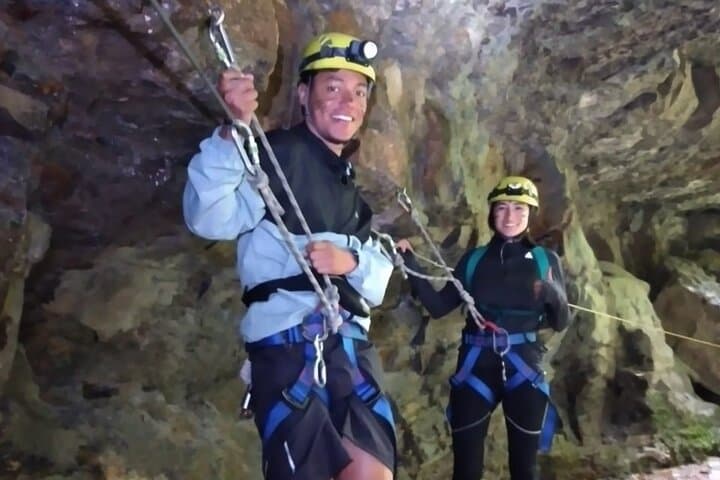
Practical guide: wear worn-in, grippy footwear and quick-dry layers; bring a headlamp with fresh batteries and a small dry bag for snacks and camera. The operator provides technical gear and transport; be prepared for wet conditions and a full-day schedule. If you have back issues or difficulty with confined spaces, this trip is not recommended. Move deliberately, communicate with your guide, and treat the caverns and Shuar cultural sites with respect.
moderate.
6–8 hours.
Suitable for people with good mobility; expect sustained rappels, uneven footing, brief climbs and crouching in tight passages.
No — the trip is guided and technical gear is provided; guides teach rope techniques, though a head for heights and reasonable mobility are helpful.
Children and older participants may join but those with spinal injuries, serious back problems or severe claustrophobia should not participate.
Trips can be canceled for safety if river levels rise or heavy rain makes the descent unsafe; operators typically offer refunds if canceled 24+ hours prior.
Yes — the tour generally includes transport to and from Puyo in an air-conditioned vehicle plus lunch as noted in the inclusion list.
The caverns and surrounding land lie within Shuar ancestral territory; local guides often share oral histories linking cave features to community traditions.
Visitors should pack out all waste, avoid touching fragile cave formations and follow guide instructions to minimize erosion and cultural site disturbance.
Special holiday offer. Best of Ecuador | Tour Operator - Explorjungle operates guided outdoor trips and adventures with an emphasis on safety, stewardship, and memorable experiences.
You step off the lip into cool spray and the jungle seems to hold its breath — the waterfall pulls at the rope as you descend 70 meters into the mouth of the Mayai Jee caverns. Stalactites drip like slow clocks above, the river’s voice grows distant, and the Shuar guide’s lamp cuts a clean channel through the dark as you enter chambers worn by millennia of water.
You step off the lip into cool spray and the jungle seems to hold its breath — the waterfall pulls at the rope as you descend 70 meters into the mouth of the Mayai Jee caverns. Stalactites drip like slow clocks above, the river’s voice grows distant, and the Shuar guide’s lamp cuts a clean channel through the dark as you enter chambers worn by millennia of water.
Geologically the caverns are carved from volcanic and sedimentary rock where the Rapel stream forced its way underground, creating vertical drops and narrow passages. Culturally this is Shuar territory; local guides from Chuwitayo interpret caverns as living places with histories tied to the people and the land, and they lead with techniques and stories passed down regionally.
Expect a mix of solid canyoning — a controlled single-rope descent, ropework instruction, and short hikes between cave mouths — and tight, low-ceiling passages where you will crouch and edge through. Light is limited; the climb back is often slippery with river-smoothed stone. Wildlife is mainly birds and insects at the rim; deeper inside it’s all geology and echo.
Practical guide: wear worn-in, grippy footwear and quick-dry layers; bring a headlamp with fresh batteries and a small dry bag for snacks and camera. The operator provides technical gear and transport; be prepared for wet conditions and a full-day schedule. If you have back issues or difficulty with confined spaces, this trip is not recommended. Move deliberately, communicate with your guide, and treat the caverns and Shuar cultural sites with respect.