THE ADVENTURE COLLECTIVE® · Independent discovery and booking for outdoor travel

Ride the Mayan Train across southeastern Mexico’s jungles, cenotes and colonial towns. This six-day route links Palenque, Campeche, Mérida and Chichén Itzá, blending archaeological highlights with natural swims and relaxed rail travel.
Ride the Mayan Train across southeastern Mexico’s jungles, cenotes and colonial towns. This six-day route links Palenque, Campeche, Mérida and Chichén Itzá, blending archaeological highlights with natural swims and relaxed rail travel.
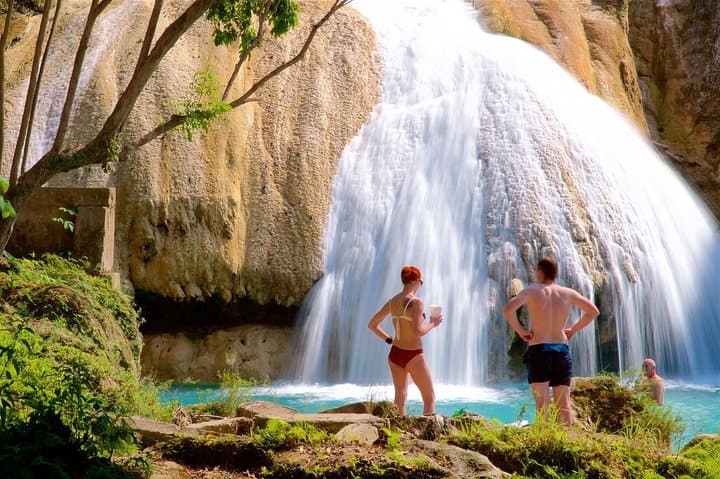
You step off the air-conditioned train into heat and green: jungle hums against stone, a turquoise cascade dares you to step closer, and a colonial plaza opens like a quiet stage. The Maya Train threads through lowland rainforest, limestone plains and coastal scrub, moving you from Palenque’s damp canopy to the sun-bright squares of Mérida and the final Caribbean air of Cancún.
Verified experiences and guided adventures in the surrounding area.
Operated by Circuitos por México · Palenque, Chiapas
You step off the air-conditioned train into heat and green: jungle hums against stone, a turquoise cascade dares you to step closer, and a colonial plaza opens like a quiet stage. The Maya Train threads through lowland rainforest, limestone plains and coastal scrub, moving you from Palenque’s damp canopy to the sun-bright squares of Mérida and the final Caribbean air of Cancún.
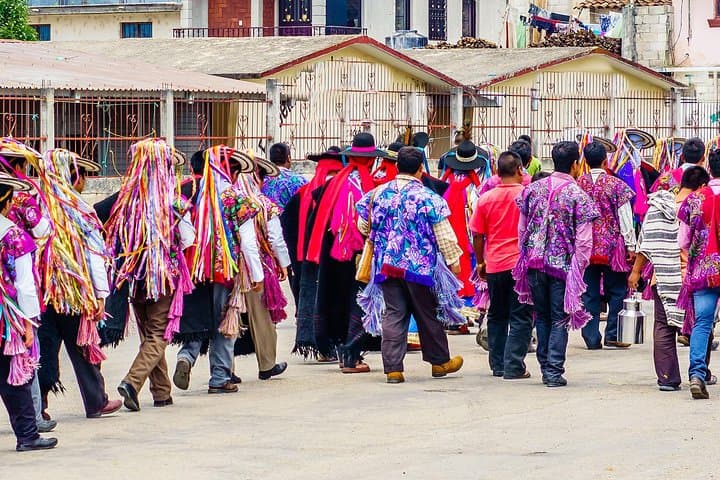
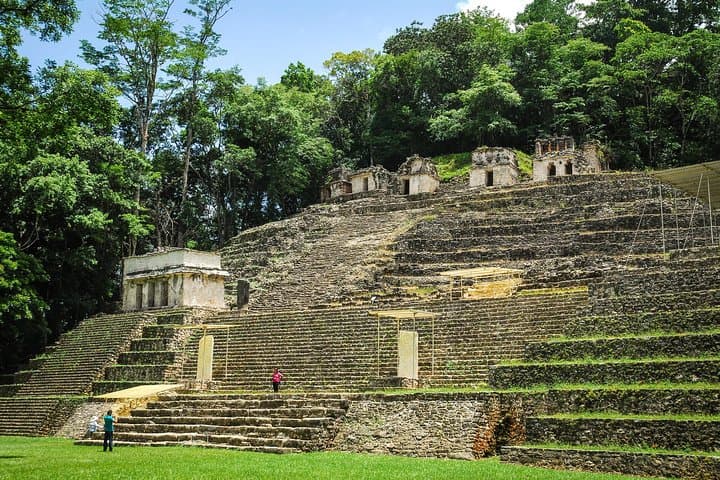
This route stitches together millennia: Palenque and Edzná show Classic and Late-Classic Mayan urban planning; Chichén Itzá displays Puuc and central Yucatán geometry and astronomic alignments. Geologically, the peninsula is karst—cenotes are sinkholes where groundwater and limestone meet, so swimming here is a direct touch with the region’s subterranean plumbing. Colonial cities like Campeche and Izamal reflect Spanish urban grids over pre-Hispanic landscapes, with local culture fueled by mestizo cuisine and Yucatecan music.
Expect short walks across uneven archaeological platforms, a few rainforest trails to waterfalls, and dips in cenotes that demand simple swimming skills. The day-to-day rhythm is train segments, guided site visits and free time to explore markets or the malecón. Temperatures are tropical with sudden showers; the jungle can be humid and mosquitoes persistent.
Practical guidance: bring quick-dry clothing, a refillable water bottle, reef-safe sunscreen for cenotes, sturdy walking shoes with good tread, and a light rain shell. Plan travel pacing—mornings around ruins are cooler and less crowded. Respect fragile cenote ecosystems and follow guide instructions at archaeological sites to keep both heritage and habitat intact.
moderate.
6 days.
Light-to-moderate fitness: able to walk 1–3 miles a day on uneven terrain and climb short stone stairways.
No—most walking is short and site-specific, but expect uneven steps, muddy trails and occasional stairs; basic mobility is sufficient.
Yes, the tour includes Mayan Train tourist-class tickets, entrance fees for listed archaeological sites, and selected meals and hotels as described in the itinerary.
Yes—swimming is typically permitted at Agua Azul, Misol-Ha and Cenote Ik Kil; lifeguards are not guaranteed, so swim with caution and follow guide instructions.
Guiding is commonly in Spanish and English depending on the operator; check with the provider for bilingual guide availability if needed.
The route crosses Classic and Postclassic Mayan centers—Palenque’s inscriptions record dynastic histories while Chichén Itzá reflects later central Yucatán power and astronomical knowledge.
Cenotes and karst aquifers are sensitive; use biodegradable products and avoid touching stalactites. Support local guides and small markets to help communities that steward these sites.
Circuitos por México operates guided outdoor trips and adventures with an emphasis on safety, stewardship, and memorable experiences.

You step off the air-conditioned train into heat and green: jungle hums against stone, a turquoise cascade dares you to step closer, and a colonial plaza opens like a quiet stage. The Maya Train threads through lowland rainforest, limestone plains and coastal scrub, moving you from Palenque’s damp canopy to the sun-bright squares of Mérida and the final Caribbean air of Cancún.
You step off the air-conditioned train into heat and green: jungle hums against stone, a turquoise cascade dares you to step closer, and a colonial plaza opens like a quiet stage. The Maya Train threads through lowland rainforest, limestone plains and coastal scrub, moving you from Palenque’s damp canopy to the sun-bright squares of Mérida and the final Caribbean air of Cancún.
This route stitches together millennia: Palenque and Edzná show Classic and Late-Classic Mayan urban planning; Chichén Itzá displays Puuc and central Yucatán geometry and astronomic alignments. Geologically, the peninsula is karst—cenotes are sinkholes where groundwater and limestone meet, so swimming here is a direct touch with the region’s subterranean plumbing. Colonial cities like Campeche and Izamal reflect Spanish urban grids over pre-Hispanic landscapes, with local culture fueled by mestizo cuisine and Yucatecan music.
Expect short walks across uneven archaeological platforms, a few rainforest trails to waterfalls, and dips in cenotes that demand simple swimming skills. The day-to-day rhythm is train segments, guided site visits and free time to explore markets or the malecón. Temperatures are tropical with sudden showers; the jungle can be humid and mosquitoes persistent.
Practical guidance: bring quick-dry clothing, a refillable water bottle, reef-safe sunscreen for cenotes, sturdy walking shoes with good tread, and a light rain shell. Plan travel pacing—mornings around ruins are cooler and less crowded. Respect fragile cenote ecosystems and follow guide instructions at archaeological sites to keep both heritage and habitat intact.