THE ADVENTURE COLLECTIVE® · Independent discovery and booking for outdoor travel

Head out at first light for a 3–4 hour speedboat safari along Mauritius’s west coast to spot humpback and sperm whales plus playful dolphins. Early departures, expert guides, and a strict observe-only approach make this an approachable, conservation-minded wildlife outing.
Head out at first light for a 3–4 hour speedboat safari along Mauritius’s west coast to spot humpback and sperm whales plus playful dolphins. Early departures, expert guides, and a strict observe-only approach make this an approachable, conservation-minded wildlife outing.
Sunrise slices the Indian Ocean into bands of steel and turquoise as the speedboat clips out from a sheltered bay on Mauritius’s west coast. The sea has a rhythm here—playful dolphins that race the bow, sudden blows on the horizon that announce a whale, and a hush that falls over the water when a large animal surfaces. Early departures mean calmer seas and softer light for photos.
Verified experiences and guided adventures in the surrounding area.
Operated by Travel with Bryan · Tamarin, Black River District
Sunrise slices the Indian Ocean into bands of steel and turquoise as the speedboat clips out from a sheltered bay on Mauritius’s west coast. The sea has a rhythm here—playful dolphins that race the bow, sudden blows on the horizon that announce a whale, and a hush that falls over the water when a large animal surfaces. Early departures mean calmer seas and softer light for photos.
This stretch of coast sits where volcanic bedrock drops into deep offshore channels, creating productive feeding grounds for sperm and humpback whales and gathering dolphins along tidal edges. The islands’ maritime culture grew from Creole, Indian and African influences; fishing communities around Tamarin and Flic en Flac still read the sea like a living map. Modern conservation efforts have shifted tours toward observation-only approaches to protect recovering whale populations.
Practical guidance: expect a 3–4 hour outing with a safety briefing and guided commentary. Wear non-slip shoes, a sun hat and reef-safe sunscreen; bring seasickness prevention if you’re sensitive. Opt for early-morning departures for smoother water and more active animals; operators will keep distance and follow local regulations, but sightings can't be guaranteed—patience pays. Photography benefits from a fast shutter and a steady hand; on-board shade and light refreshments are usually provided.
Timing, respect and preparation make this a memorable marine encounter—an intimate window into ocean life where the water seems to pull you forward and the animals decide how close they’ll let you come.
easy.
3–4 hours.
Light fitness required—able to board a small boat and stand or sit for the duration
Tours commonly encounter sperm whales and humpback whales offshore and dolphins such as Indo-Pacific bottlenose or spinner species closer to shore.
No—sightings depend on animal movements and weather; experienced guides maximize chances but cannot guarantee encounters.
Yes—most operators welcome children and non-swimmers; life jackets are provided and observation is from the boat unless snorkel options are offered separately.
Take preventative medication or use acupressure bands before boarding, sit mid-boat where motion is least, and focus on the horizon if you feel unwell.
Mauritius’s west coast communities have long relied on the sea; modern whale conservation grew after mid-20th-century declines and recent protection efforts increased sightings.
Operators follow observe-only guidelines and local marine rules—avoid chasing or encircling animals and use reef-safe products to reduce human impact.
Travel with Bryan operates guided outdoor trips and adventures with an emphasis on safety, stewardship, and memorable experiences.
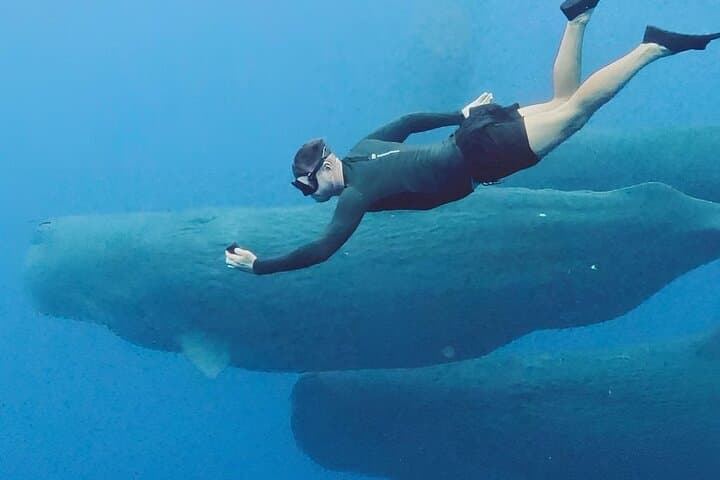
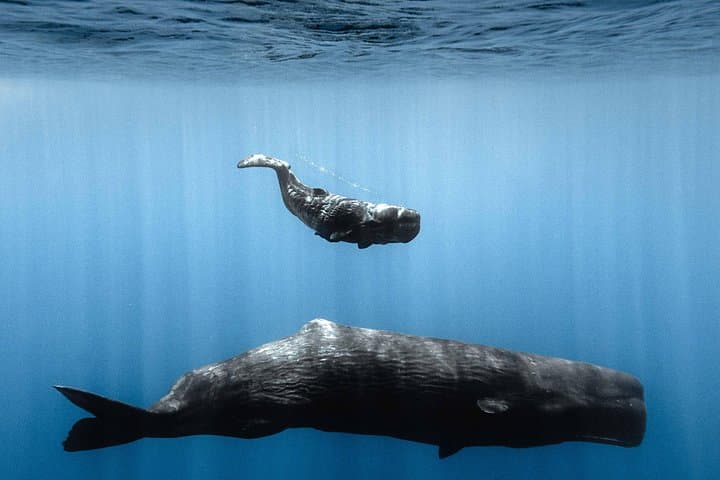
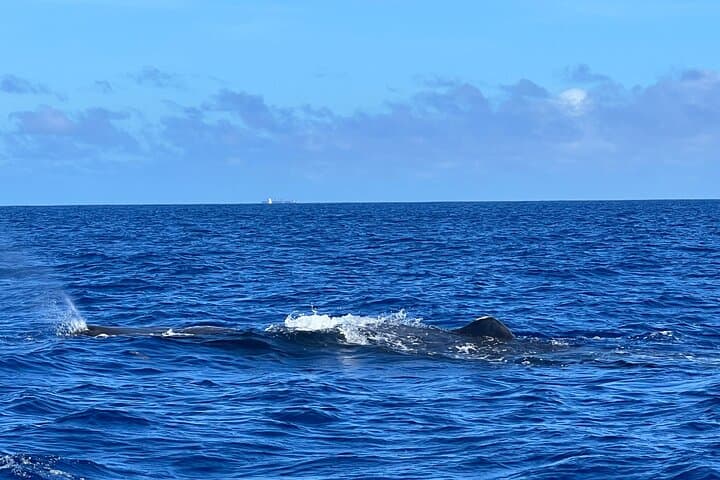
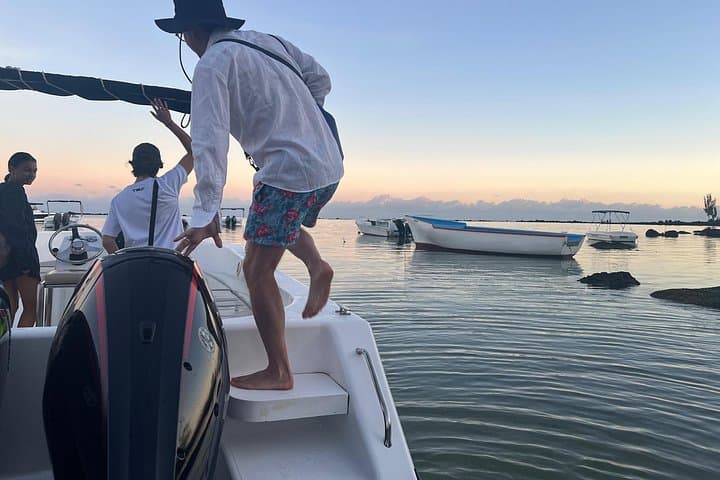
Sunrise slices the Indian Ocean into bands of steel and turquoise as the speedboat clips out from a sheltered bay on Mauritius’s west coast. The sea has a rhythm here—playful dolphins that race the bow, sudden blows on the horizon that announce a whale, and a hush that falls over the water when a large animal surfaces. Early departures mean calmer seas and softer light for photos.
Sunrise slices the Indian Ocean into bands of steel and turquoise as the speedboat clips out from a sheltered bay on Mauritius’s west coast. The sea has a rhythm here—playful dolphins that race the bow, sudden blows on the horizon that announce a whale, and a hush that falls over the water when a large animal surfaces. Early departures mean calmer seas and softer light for photos.
This stretch of coast sits where volcanic bedrock drops into deep offshore channels, creating productive feeding grounds for sperm and humpback whales and gathering dolphins along tidal edges. The islands’ maritime culture grew from Creole, Indian and African influences; fishing communities around Tamarin and Flic en Flac still read the sea like a living map. Modern conservation efforts have shifted tours toward observation-only approaches to protect recovering whale populations.
Practical guidance: expect a 3–4 hour outing with a safety briefing and guided commentary. Wear non-slip shoes, a sun hat and reef-safe sunscreen; bring seasickness prevention if you’re sensitive. Opt for early-morning departures for smoother water and more active animals; operators will keep distance and follow local regulations, but sightings can't be guaranteed—patience pays. Photography benefits from a fast shutter and a steady hand; on-board shade and light refreshments are usually provided.
Timing, respect and preparation make this a memorable marine encounter—an intimate window into ocean life where the water seems to pull you forward and the animals decide how close they’ll let you come.