THE ADVENTURE COLLECTIVE® · Independent discovery and booking for outdoor travel

Spend a private day tracing Mauritius’ coastal and cultural highlights—from Port Louis’ markets and Fort Adelaide to Pamplemousses’ Botanical Garden and a rum tasting at L’Aventure du Sucre. This relaxed, 6–8 hour tour mixes short walks with scenic stops and local insights.
Spend a private day tracing Mauritius’ coastal and cultural highlights—from Port Louis’ markets and Fort Adelaide to Pamplemousses’ Botanical Garden and a rum tasting at L’Aventure du Sucre. This relaxed, 6–8 hour tour mixes short walks with scenic stops and local insights.
Morning light hits the harbor as the vehicle pulls away from Port Louis; salt air pushes through an open window and the city’s low roofs recede while sugarcane fields roll by. The first stops—Caudan Waterfront and the Central Market—place travelers at the junction of trade and everyday Mauritian life: spice stalls, fishermen mending nets, and a constant hum of commerce.
Verified experiences and guided adventures in the surrounding area.
Operated by Hans Ramdonee · Port Louis, Port Louis District
Morning light hits the harbor as the vehicle pulls away from Port Louis; salt air pushes through an open window and the city’s low roofs recede while sugarcane fields roll by. The first stops—Caudan Waterfront and the Central Market—place travelers at the junction of trade and everyday Mauritian life: spice stalls, fishermen mending nets, and a constant hum of commerce.
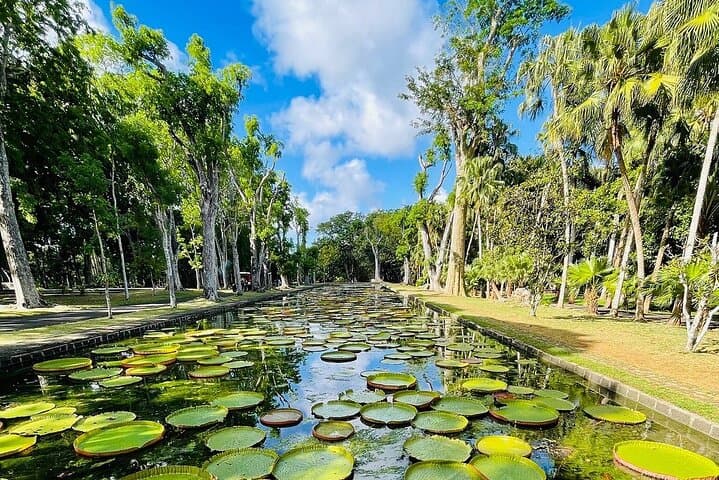
History here is visible in stone and soil. Fort Adelaide (the Citadelle) perches above the city, a 19th-century British-built lookout that explains colonial military strategy and offers a clean sweep view of the harbor and distant mountains. Geologically, Mauritius is volcanic; its basalt ridgelines and coastal lagoons tell the island’s origin story. In Pamplemousses, the Botanical Garden catalogs that biodiversity—giant water lilies, endemic palms, and plantings that reflect colonial botanical exchanges. At L’Aventure du Sucre, sugar’s role in the island’s economy, migration and rum culture comes into focus during a guided tasting.
Practical guidance: this is a full-day private tour (roughly 6–8 hours) with short walks on mostly flat, paved surfaces and some steps at lookout points and gardens. Wear breathable shoes, bring sunscreen and a hat, and expect warm, humid conditions in summer or cooler breezes in winter mornings. Hydrate between stops; bottled water is provided in the vehicle.
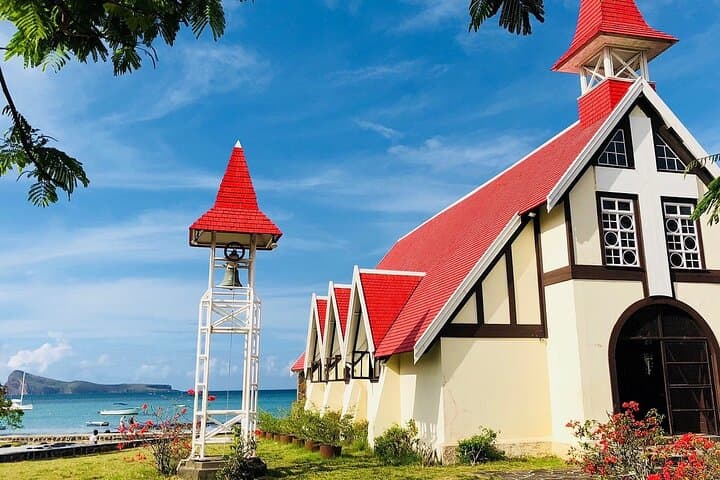
Timing matters—visit the market in the morning for freshness, schedule the botanical garden before the midday heat, and leave photography windows for late afternoon light at Cap Malheureux’s Red Church.
easy.
6–8 hours.
Suitable for most fitness levels; expect short walks and a few stair climbs.
The private tour runs about 6–8 hours with short walks at each stop; it’s paced for comfort with flexible time at highlights.
Some attractions like the Botanical Garden and L’Aventure du Sucre typically require admission; confirm which fees are covered at booking.
The tour includes private air-conditioned transport and pickup; provide your pickup location when booking to confirm service.
Yes—this itinerary is rated easy with minimal strenuous activity; infant seats are available and guides can adjust timing for mobility needs.
Sites trace Mauritius’ colonial past—Dutch, French and British periods shaped place names, architecture and the sugar economy.
Coastal reefs and endemic plants face pressure from development and invasive species; stick to paths, avoid disturbing native plants, and support local conservation initiatives.
Hans Ramdonee operates guided outdoor trips and adventures with an emphasis on safety, stewardship, and memorable experiences.
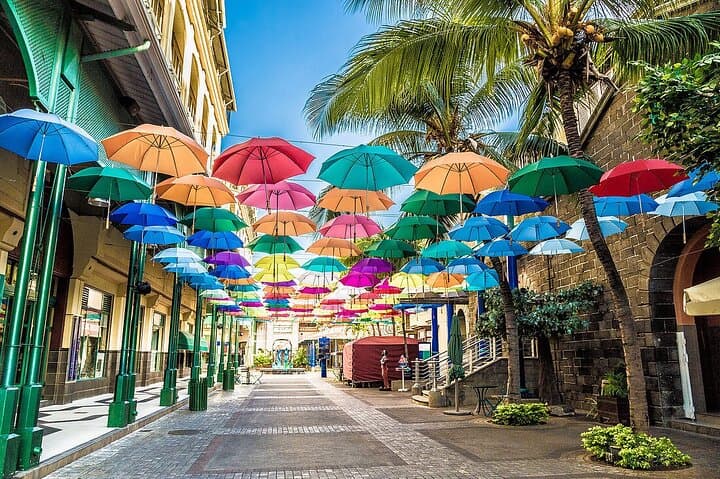
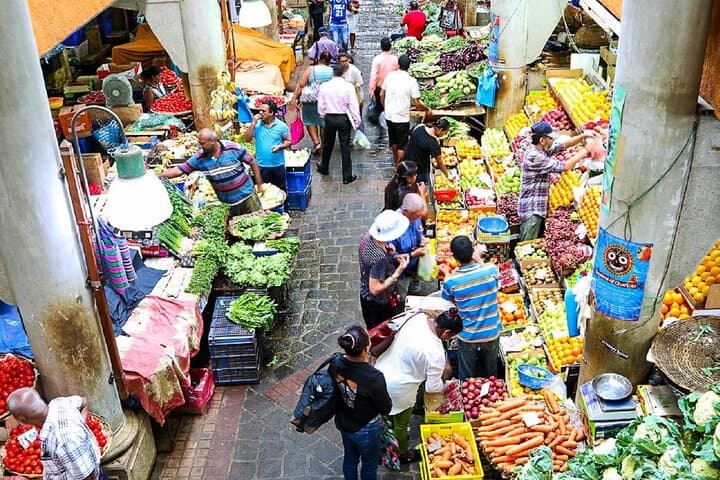
Morning light hits the harbor as the vehicle pulls away from Port Louis; salt air pushes through an open window and the city’s low roofs recede while sugarcane fields roll by. The first stops—Caudan Waterfront and the Central Market—place travelers at the junction of trade and everyday Mauritian life: spice stalls, fishermen mending nets, and a constant hum of commerce.
Morning light hits the harbor as the vehicle pulls away from Port Louis; salt air pushes through an open window and the city’s low roofs recede while sugarcane fields roll by. The first stops—Caudan Waterfront and the Central Market—place travelers at the junction of trade and everyday Mauritian life: spice stalls, fishermen mending nets, and a constant hum of commerce.
History here is visible in stone and soil. Fort Adelaide (the Citadelle) perches above the city, a 19th-century British-built lookout that explains colonial military strategy and offers a clean sweep view of the harbor and distant mountains. Geologically, Mauritius is volcanic; its basalt ridgelines and coastal lagoons tell the island’s origin story. In Pamplemousses, the Botanical Garden catalogs that biodiversity—giant water lilies, endemic palms, and plantings that reflect colonial botanical exchanges. At L’Aventure du Sucre, sugar’s role in the island’s economy, migration and rum culture comes into focus during a guided tasting.
Practical guidance: this is a full-day private tour (roughly 6–8 hours) with short walks on mostly flat, paved surfaces and some steps at lookout points and gardens. Wear breathable shoes, bring sunscreen and a hat, and expect warm, humid conditions in summer or cooler breezes in winter mornings. Hydrate between stops; bottled water is provided in the vehicle.
Timing matters—visit the market in the morning for freshness, schedule the botanical garden before the midday heat, and leave photography windows for late afternoon light at Cap Malheureux’s Red Church.