THE ADVENTURE COLLECTIVE® · Independent discovery and booking for outdoor travel

Short boat rides, deep ledges and coral pinnacles define these exploration dives off Mauritius. Ideal for experienced divers, the trips mix brief transits with 30–40 minute bottom times at vibrant reef sites.
Short boat rides, deep ledges and coral pinnacles define these exploration dives off Mauritius. Ideal for experienced divers, the trips mix brief transits with 30–40 minute bottom times at vibrant reef sites.
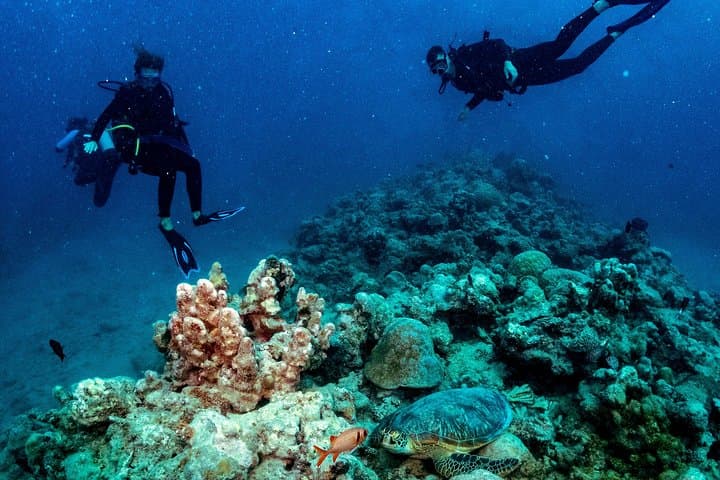
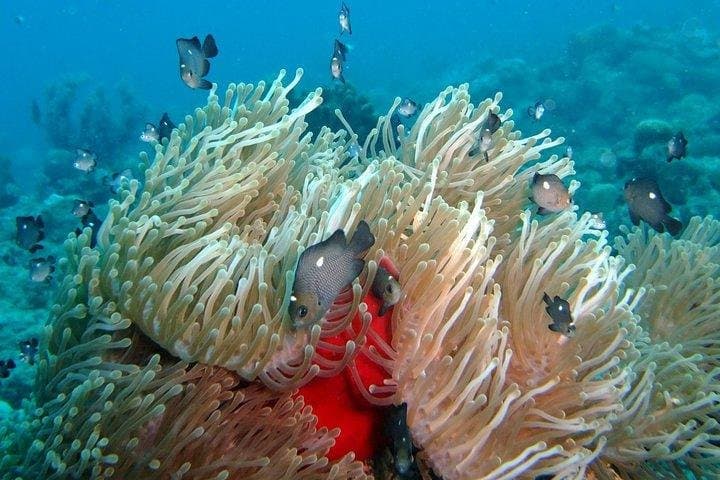
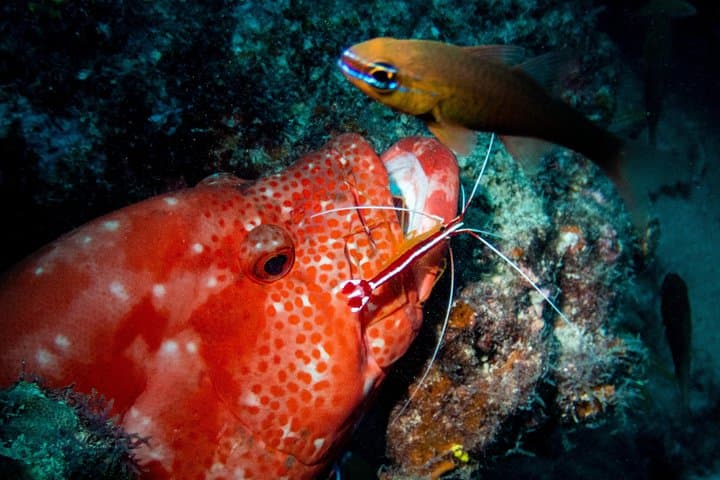
You step off the small dive boat into warm, turquoise water and the island’s rim reef drops away like a curtain — currents nudging you toward a column of coral where surgeonfish flash silver.
Verified experiences and guided adventures in the surrounding area.
Operated by Tamarin OceanPro Divingcenter · Grand Baie, Rivière du Rempart District
You step off the small dive boat into warm, turquoise water and the island’s rim reef drops away like a curtain — currents nudging you toward a column of coral where surgeonfish flash silver.
Mauritius is a volcanic island ringed by lagoons and fringing reefs. The reefs formed on basalt foundations deposited millions of years ago; windward faces and submerged pinnacles create vertical relief that attracts pelagics and schooling reef species. The island’s coastal culture grew around fishing and sugar plantations, and many dive sites sit near traditional fishing villages where creole boats still unload the day’s catch.
These exploration dives target sites best suited to certified, experienced divers: short boat runs (about 10–15 minutes), descents to reef ledges and pinnacles, and 30–40 minute bottom times within a 3-hour window that includes briefing and transit. Expect depths commonly in the 18–30 m range and occasional surge or current — conditions that make channels lively and bring rays, reef sharks, and large schools into view.
Practical notes: start time is typically 08:45 with forms and gear checks at the centre. Equipment use is included, but bring your certification card and dive computer. Medical clearance may be required for some conditions; pregnant travelers and those with significant heart or respiratory issues should not dive. Water temperatures run roughly 23–28°C across seasons, so choose exposure protection accordingly and use reef-safe sunscreen.
If you want active, detail-oriented diving on varied terrain — walls, bommies, and pinnacles — this experience rewards situational awareness, good buoyancy, and respect for local conservation rules.
challenging.
3 hours.
Should be comfortably fit with recent dive experience; able to handle descents to 18–30 m and manage currents.
Yes. These trips are for experienced, certified divers—operators require proof of certification and recent logged dives.
Bottom times typically run 30–40 minutes per dive, within a 3-hour total schedule that includes briefing and boat travel.
Use of SCUBA equipment is included, but many divers bring personal masks, computers, and exposure protection for comfort.
Pregnant travelers and people with significant heart or respiratory conditions should not dive; other medical conditions may require a recent medical certificate.
Mauritius formed from volcanic activity and its reefs grew around the island’s basalt rim; coastal communities developed from fishing and sugarcane economies.
Many dive sites are in protected or monitored reef areas—practice no-touch diving and use reef-safe sunscreen to minimize impact.
Tamarin OceanPro Divingcenter operates guided outdoor trips and adventures with an emphasis on safety, stewardship, and memorable experiences.
You step off the small dive boat into warm, turquoise water and the island’s rim reef drops away like a curtain — currents nudging you toward a column of coral where surgeonfish flash silver.
You step off the small dive boat into warm, turquoise water and the island’s rim reef drops away like a curtain — currents nudging you toward a column of coral where surgeonfish flash silver.
Mauritius is a volcanic island ringed by lagoons and fringing reefs. The reefs formed on basalt foundations deposited millions of years ago; windward faces and submerged pinnacles create vertical relief that attracts pelagics and schooling reef species. The island’s coastal culture grew around fishing and sugar plantations, and many dive sites sit near traditional fishing villages where creole boats still unload the day’s catch.
These exploration dives target sites best suited to certified, experienced divers: short boat runs (about 10–15 minutes), descents to reef ledges and pinnacles, and 30–40 minute bottom times within a 3-hour window that includes briefing and transit. Expect depths commonly in the 18–30 m range and occasional surge or current — conditions that make channels lively and bring rays, reef sharks, and large schools into view.
Practical notes: start time is typically 08:45 with forms and gear checks at the centre. Equipment use is included, but bring your certification card and dive computer. Medical clearance may be required for some conditions; pregnant travelers and those with significant heart or respiratory issues should not dive. Water temperatures run roughly 23–28°C across seasons, so choose exposure protection accordingly and use reef-safe sunscreen.
If you want active, detail-oriented diving on varied terrain — walls, bommies, and pinnacles — this experience rewards situational awareness, good buoyancy, and respect for local conservation rules.