THE ADVENTURE COLLECTIVE® · Independent discovery and booking for outdoor travel

Drive across Saddle Road into one of the planet’s darkest skies on this Maunakea stargazing tour from Kona. Enjoy narrated volcanology, Dobsonian telescope deep-sky views, and safe solar observing led by experienced guides.
Drive across Saddle Road into one of the planet’s darkest skies on this Maunakea stargazing tour from Kona. Enjoy narrated volcanology, Dobsonian telescope deep-sky views, and safe solar observing led by experienced guides.
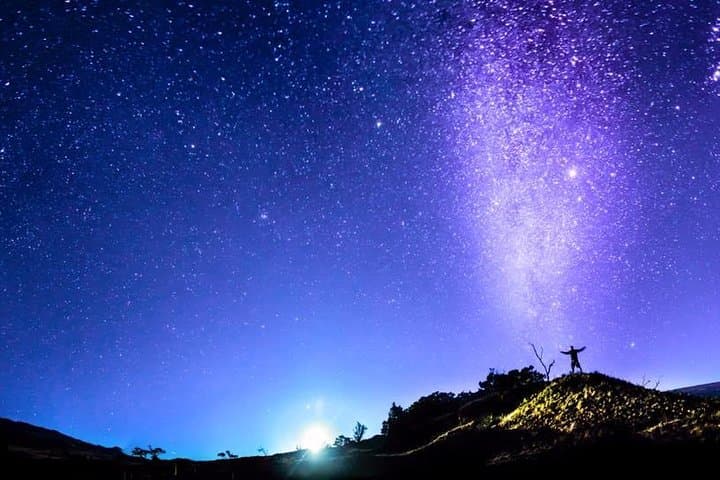
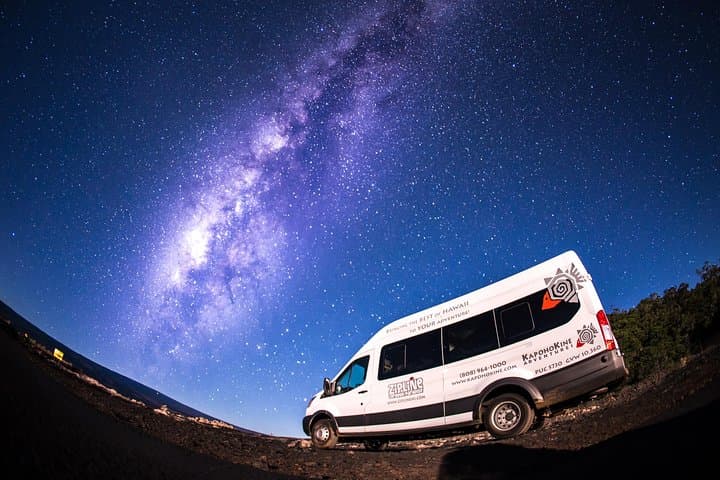
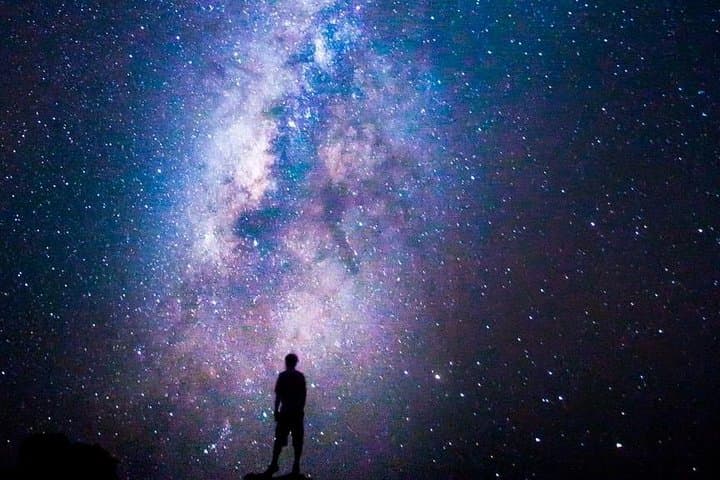
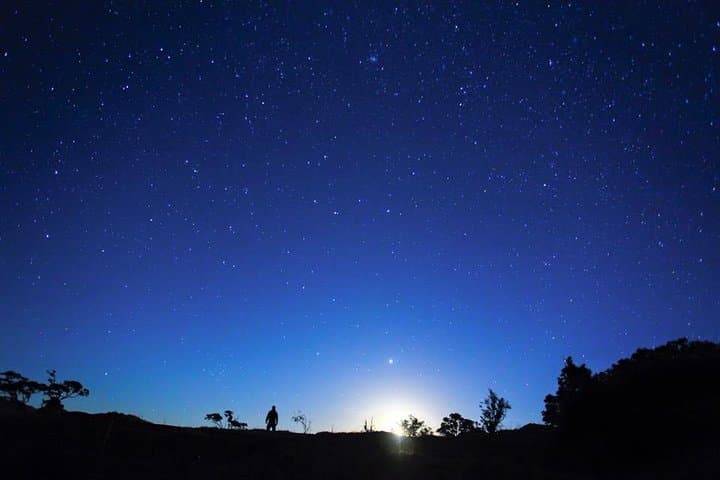
The van pulls away from Kona as the last light fades and the island’s spine—Mauna Loa and Mauna Kea—begins to silhouette against a deepening sky. You eat dinner on the road, then cross Saddle Road where lava flows and scrubby alpine vegetation slip past the windows; the air cools and the lights of civilization drop away until the dome of the Milky Way feels close enough to touch.
Verified experiences and guided adventures in the surrounding area.
Operated by Kapohokine Adventures · Kailua-Kona, Hawaii
The van pulls away from Kona as the last light fades and the island’s spine—Mauna Loa and Mauna Kea—begins to silhouette against a deepening sky. You eat dinner on the road, then cross Saddle Road where lava flows and scrubby alpine vegetation slip past the windows; the air cools and the lights of civilization drop away until the dome of the Milky Way feels close enough to touch.
Mauna Kea is one of the tallest volcanic mountains on Earth by base-to-summit height. Its volcanic geology creates dry, stable nights and thin air that astronomers prize; the summit hosts world-class observatories while lower elevations hold fragile alpine ecology. The mountain is also wahi kapu (sacred) to Native Hawaiians, a cultural context that shapes how tours operate here—this experience intentionally stops short of the summit out of respect.
Practically, the trip blends a narrated drive with guided stargazing using large-aperture Dobsonian telescopes for wide-field views, plus safe daytime solar viewing when scheduled. Expect 6–7 hours total, minimal hiking, but noticeable altitude and cold. Guides are National Park Service–trained and provide jackets, hot drinks, and Kona coffee before the return.
What to plan: layer heavy, bring closed-toe shoes, and drink water to ease altitude effects. Pack a camera with manual settings and a sturdy tripod if you want long-exposure shots. Timing matters—clear nights yield spectacular planetary and deep-sky targets, while cloudy evenings may limit views. Respect cultural guidance at every stop and leave no trace; these dark skies are protected both scientifically and culturally.
easy.
6–7 hours.
Suitable for most fitness levels; expect limited walking but possible altitude-related discomfort
The full experience runs about 6–7 hours (approx. 390 minutes); exact return times depend on sunset and stargazing conditions but expect late evening return to Kona.
Yes—physically the tour is easy with minimal walking, and the operator welcomes all ages, though altitude and cold can affect young children.
No; this tour deliberately does not visit the summit out of deference to Native Hawaiian cultural concerns and to minimize impact.
Hydrate before the trip, avoid alcohol beforehand, dress warmly, and notify guides if you feel lightheaded or nauseous; people with serious cardiovascular conditions are advised not to participate.
Mauna Kea’s summit hosts international observatories but the mountain is also an important cultural and spiritual place for Native Hawaiians; modern astronomy and indigenous stewardship intersect here.
Dark-sky protections and limits on summit access keep light pollution and cultural impact low; follow leave-no-trace practices and respect restricted areas.
Kapohokine Adventures operates guided outdoor trips and adventures with an emphasis on safety, stewardship, and memorable experiences.
The van pulls away from Kona as the last light fades and the island’s spine—Mauna Loa and Mauna Kea—begins to silhouette against a deepening sky. You eat dinner on the road, then cross Saddle Road where lava flows and scrubby alpine vegetation slip past the windows; the air cools and the lights of civilization drop away until the dome of the Milky Way feels close enough to touch.
The van pulls away from Kona as the last light fades and the island’s spine—Mauna Loa and Mauna Kea—begins to silhouette against a deepening sky. You eat dinner on the road, then cross Saddle Road where lava flows and scrubby alpine vegetation slip past the windows; the air cools and the lights of civilization drop away until the dome of the Milky Way feels close enough to touch.
Mauna Kea is one of the tallest volcanic mountains on Earth by base-to-summit height. Its volcanic geology creates dry, stable nights and thin air that astronomers prize; the summit hosts world-class observatories while lower elevations hold fragile alpine ecology. The mountain is also wahi kapu (sacred) to Native Hawaiians, a cultural context that shapes how tours operate here—this experience intentionally stops short of the summit out of respect.
Practically, the trip blends a narrated drive with guided stargazing using large-aperture Dobsonian telescopes for wide-field views, plus safe daytime solar viewing when scheduled. Expect 6–7 hours total, minimal hiking, but noticeable altitude and cold. Guides are National Park Service–trained and provide jackets, hot drinks, and Kona coffee before the return.
What to plan: layer heavy, bring closed-toe shoes, and drink water to ease altitude effects. Pack a camera with manual settings and a sturdy tripod if you want long-exposure shots. Timing matters—clear nights yield spectacular planetary and deep-sky targets, while cloudy evenings may limit views. Respect cultural guidance at every stop and leave no trace; these dark skies are protected both scientifically and culturally.