THE ADVENTURE COLLECTIVE® · Independent discovery and booking for outdoor travel

Watch sunset from Mauna Kea’s summit, then peer through professional telescopes as the Pacific sky fills with stars. This guided evening trip combines high-elevation geology, Hawaiian cultural context, and a private stargazing session.
Watch sunset from Mauna Kea’s summit, then peer through professional telescopes as the Pacific sky fills with stars. This guided evening trip combines high-elevation geology, Hawaiian cultural context, and a private stargazing session.
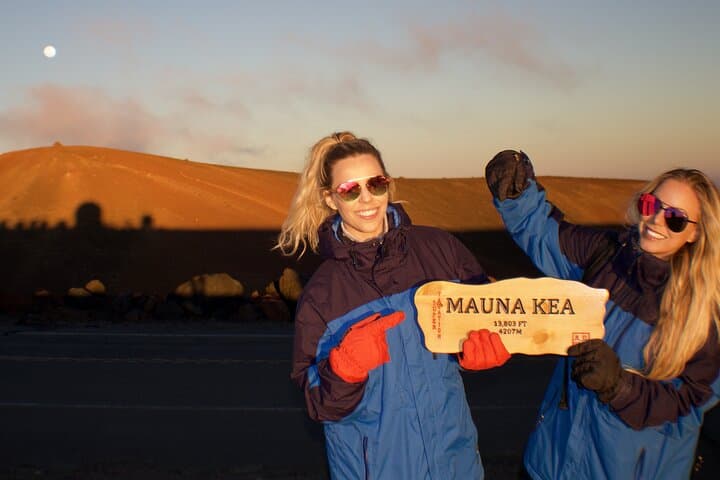
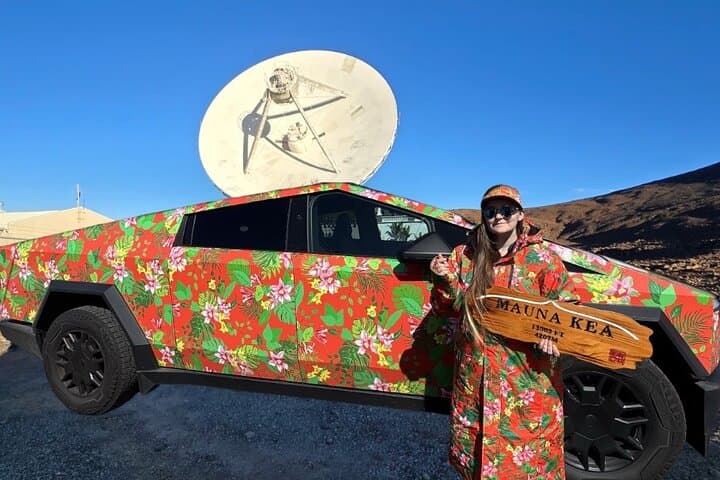
You step off the 4x4 van and the air feels thin, cold, and startlingly clear — the sky here seems to press close, daring you to look up. As the sun slides behind the Pacific rim, the summit of Mauna Kea sheds gold and then iron-red light across cinder and sparse alpine rock. Telescopes rise like quiet sentries against the darkening blue.
Verified experiences and guided adventures in the surrounding area.
Operated by Hawaii Island Holidays · Hilo, Hawaii
You step off the 4x4 van and the air feels thin, cold, and startlingly clear — the sky here seems to press close, daring you to look up. As the sun slides behind the Pacific rim, the summit of Mauna Kea sheds gold and then iron-red light across cinder and sparse alpine rock. Telescopes rise like quiet sentries against the darkening blue.
Mauna Kea is the highest point in the Pacific and a volcano built from repeated lava flows; its summit zone holds old cinder cones and a small, sacred alpine lake, Waiau. For generations the mountain has been a place of chants, kapu, and aliʻi journeys — today it’s also home to one of the world’s densest collections of astronomical observatories. That juxtaposition — cultural reverence and scientific inquiry — shapes visits here.
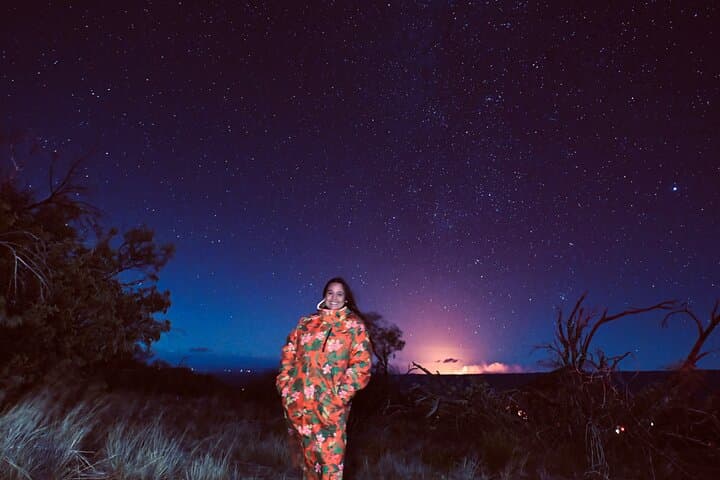
On a guided sunset-and-stars outing you can expect a 7–8 hour window: a drive from Kona or Hilo, stops at the visitor center on the Saddle, and the summit for sunset, then a dedicated stargazing session with a professional Celestron telescope (weather permitting). Guides provide local history, hot drinks, jackets and gloves, and an astrophotography portrait.
Practical edge: altitude (≈4,200 m / 13,796 ft) is the defining factor — short walks on rocky, sometimes snowy ground are normal. Hydrate, avoid alcohol beforehand, and move slowly; if you have respiratory or heart concerns, reconsider. Dress in layers, bring sturdy shoes and your camera. When conditions cooperate, the stars here feel close enough to touch; treat the place with quiet attention — it’s both sacred ground and one of the clearest windows on the universe.
moderate.
7–8 hours.
Moderate fitness recommended; must tolerate high altitude, short rocky walks, and cold conditions.
The summit is about 4,205 m (13,796 ft). Altitude can cause headache, nausea, or dizziness; moderate fitness and pre-trip acclimatization reduce risk — consult a doctor if you have heart or respiratory issues.
Transportation in a 4x4 van, experienced guide, jackets and gloves, snacks and a hot beverage, use of a professional telescope (weather permitting), and a complimentary night photo.
Telescopes are used when weather permits; cloud cover or high winds can cancel stargazing at the summit — guides monitor conditions and may adapt the program.
This experience is not recommended for children under 13 due to altitude and cold; check with the operator for any age exceptions and health considerations.
Mauna Kea was long considered the realm of the gods in Hawaiian tradition and remains culturally significant; in recent decades it has also become a major site for international astronomical research.
Visitors are asked to respect cultural sites and fragile alpine ecology; stay on designated areas, follow guide instructions, and be mindful of waste and noise impacts.
Hawaii Island Holidays operates guided outdoor trips and adventures with an emphasis on safety, stewardship, and memorable experiences.

You step off the 4x4 van and the air feels thin, cold, and startlingly clear — the sky here seems to press close, daring you to look up. As the sun slides behind the Pacific rim, the summit of Mauna Kea sheds gold and then iron-red light across cinder and sparse alpine rock. Telescopes rise like quiet sentries against the darkening blue.
You step off the 4x4 van and the air feels thin, cold, and startlingly clear — the sky here seems to press close, daring you to look up. As the sun slides behind the Pacific rim, the summit of Mauna Kea sheds gold and then iron-red light across cinder and sparse alpine rock. Telescopes rise like quiet sentries against the darkening blue.
Mauna Kea is the highest point in the Pacific and a volcano built from repeated lava flows; its summit zone holds old cinder cones and a small, sacred alpine lake, Waiau. For generations the mountain has been a place of chants, kapu, and aliʻi journeys — today it’s also home to one of the world’s densest collections of astronomical observatories. That juxtaposition — cultural reverence and scientific inquiry — shapes visits here.
On a guided sunset-and-stars outing you can expect a 7–8 hour window: a drive from Kona or Hilo, stops at the visitor center on the Saddle, and the summit for sunset, then a dedicated stargazing session with a professional Celestron telescope (weather permitting). Guides provide local history, hot drinks, jackets and gloves, and an astrophotography portrait.
Practical edge: altitude (≈4,200 m / 13,796 ft) is the defining factor — short walks on rocky, sometimes snowy ground are normal. Hydrate, avoid alcohol beforehand, and move slowly; if you have respiratory or heart concerns, reconsider. Dress in layers, bring sturdy shoes and your camera. When conditions cooperate, the stars here feel close enough to touch; treat the place with quiet attention — it’s both sacred ground and one of the clearest windows on the universe.