THE ADVENTURE COLLECTIVE® · Independent discovery and booking for outdoor travel

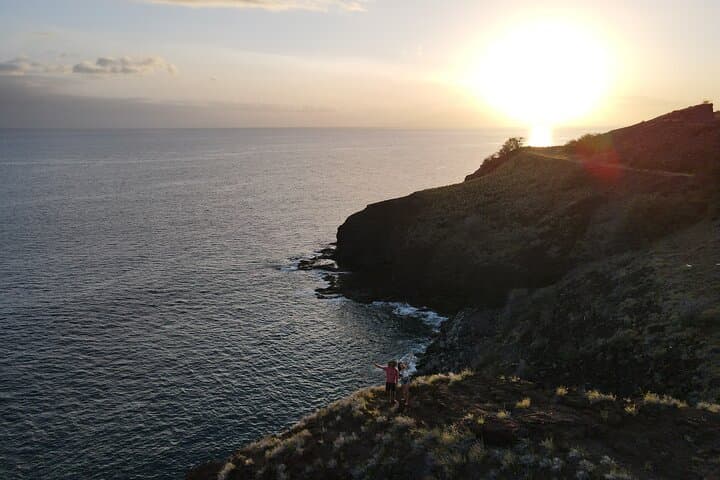
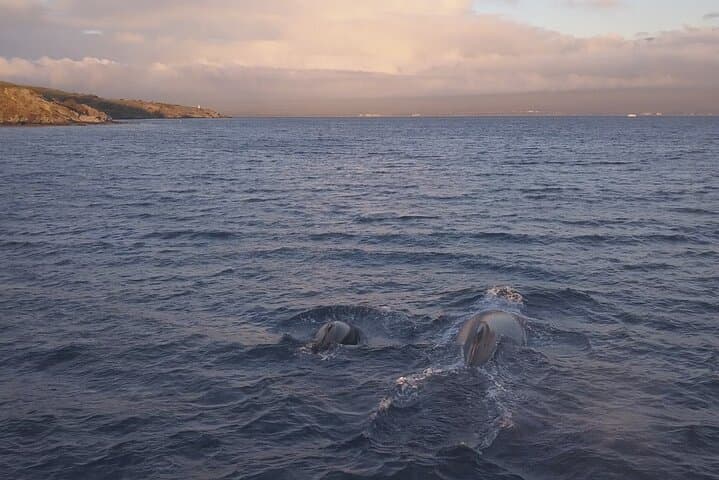
Watch humpback whales from a dramatic coastal overlook while a professional drone captures cinematic aerial footage. This cliffside experience blends guided whale education with unforgettable photos and video.
Watch humpback whales from a dramatic coastal overlook while a professional drone captures cinematic aerial footage. This cliffside experience blends guided whale education with unforgettable photos and video.
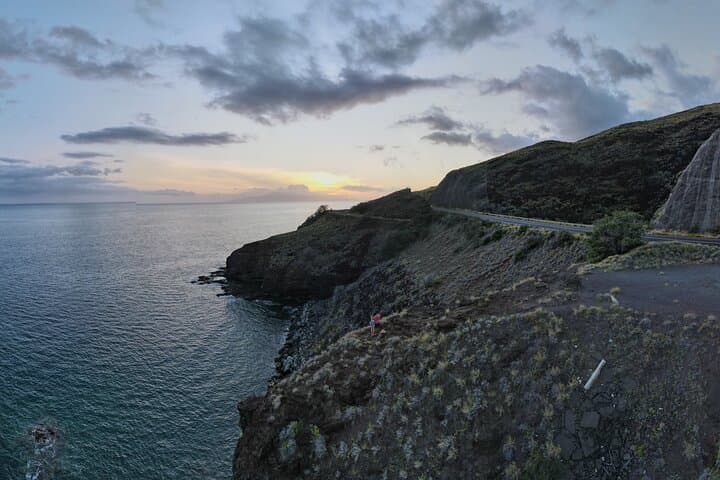
You arrive at a windswept cliff above the Pacific, the ocean stretching flat and blue toward the horizon, and the salt air pushing at your jacket. On clear winter mornings the surface seems to hold its breath — then a tower of water and whale flesh cuts the calm as a humpback breaches, seawater spraying like a thrown cloak. The guide scans the line where sea meets sky, and the drone operator lifts a humming eye into the air to capture the moment from above.
Verified experiences and guided adventures in the surrounding area.
Operated by Your Maui Guide · Maʻalaea, Hawaii
You arrive at a windswept cliff above the Pacific, the ocean stretching flat and blue toward the horizon, and the salt air pushing at your jacket. On clear winter mornings the surface seems to hold its breath — then a tower of water and whale flesh cuts the calm as a humpback breaches, seawater spraying like a thrown cloak. The guide scans the line where sea meets sky, and the drone operator lifts a humming eye into the air to capture the moment from above.
Maui’s winter whale season draws thousands of humpbacks that travel from Alaska to calve and court in these warm shallow waters. Geologically the coastline here is young basalt welded from volcanic flows; cliffs and lava benches frame prosperous reefs below. The history is layered: ancient Hawaiian fishing grounds, 19th-century whaling waypoints, and modern conservation efforts that protect the whales and their habitat.
Expect a mix of short coastal walks and stationary viewing from safe overlooks rather than a boat trip. Guides will work within NOAA viewing rules and FAA drone regulations, shooting aerial video when conditions and permits allow. Weather, sea state and whale behavior dictate the show; encounters are unforgettable but never guaranteed.
Practical tips: arrive with windproof layers, sun protection, and binoculars; plan 1–3 hours; charge your camera and phone. Respect distance guidelines, stay on marked paths, and follow your guide’s directions for both safety and best photo angles. This experience pairs cinematic imagery with responsible wildlife viewing — a clear, active way to witness Maui’s humpbacks without boarding a vessel.
easy.
1–3 hours.
Suitable for all fitness levels; requires short coastal walks on uneven ground and standing for extended periods.
No — whales are wild animals and sightings cannot be guaranteed; however, winter months (roughly December–April) offer the highest probability of encounters.
Drones only fly when weather permits and when operators can comply with FAA and NOAA guidelines; sea state, visibility, wind, and whale behavior all affect drone use.
The guide will confirm a meeting location near the Maʻalaea Park and Ride; exact coordinates and directions are provided after booking.
No — this experience is land-based and uses coastal overlooks and cliffs for viewing; no sea travel is involved.
Maui’s coastline served traditional Hawaiian fishing communities and later 19th-century whaling operations; modern protections reflect a shift to conservation and tourism stewardship.
Operators follow NOAA viewing rules and FAA drone guidelines; staying on trails and minimizing disturbance helps protect both whales and fragile coastal ecosystems.
Your Maui Guide operates guided outdoor trips and adventures with an emphasis on safety, stewardship, and memorable experiences.

You arrive at a windswept cliff above the Pacific, the ocean stretching flat and blue toward the horizon, and the salt air pushing at your jacket. On clear winter mornings the surface seems to hold its breath — then a tower of water and whale flesh cuts the calm as a humpback breaches, seawater spraying like a thrown cloak. The guide scans the line where sea meets sky, and the drone operator lifts a humming eye into the air to capture the moment from above.
You arrive at a windswept cliff above the Pacific, the ocean stretching flat and blue toward the horizon, and the salt air pushing at your jacket. On clear winter mornings the surface seems to hold its breath — then a tower of water and whale flesh cuts the calm as a humpback breaches, seawater spraying like a thrown cloak. The guide scans the line where sea meets sky, and the drone operator lifts a humming eye into the air to capture the moment from above.
Maui’s winter whale season draws thousands of humpbacks that travel from Alaska to calve and court in these warm shallow waters. Geologically the coastline here is young basalt welded from volcanic flows; cliffs and lava benches frame prosperous reefs below. The history is layered: ancient Hawaiian fishing grounds, 19th-century whaling waypoints, and modern conservation efforts that protect the whales and their habitat.
Expect a mix of short coastal walks and stationary viewing from safe overlooks rather than a boat trip. Guides will work within NOAA viewing rules and FAA drone regulations, shooting aerial video when conditions and permits allow. Weather, sea state and whale behavior dictate the show; encounters are unforgettable but never guaranteed.
Practical tips: arrive with windproof layers, sun protection, and binoculars; plan 1–3 hours; charge your camera and phone. Respect distance guidelines, stay on marked paths, and follow your guide’s directions for both safety and best photo angles. This experience pairs cinematic imagery with responsible wildlife viewing — a clear, active way to witness Maui’s humpbacks without boarding a vessel.