THE ADVENTURE COLLECTIVE® · Independent discovery and booking for outdoor travel

Launch from the Kihei boat ramp on a nimble raft and spend 90 minutes chasing humpback whales off southern Maui. Small group size, an on-board naturalist and a hydrophone make this an intimate, educational whale-watch during the Dec–May migration.
Launch from the Kihei boat ramp on a nimble raft and spend 90 minutes chasing humpback whales off southern Maui. Small group size, an on-board naturalist and a hydrophone make this an intimate, educational whale-watch during the Dec–May migration.
You step onto a low-slung raft at the Kihei boat ramp, the ocean already pulling at the bow like a patient hunter. The raft's choppy speedslashes the calm of the channel, and within minutes the coastline—Wailea's resorts and the dark line of lava at La Perouse—recedes into a wide blue stage. The water is alive: spouts punctuate the surface, tails slap like punctuation, and the on-board naturalist lets the whale calls stream through a hydrophone so you can hear the song beneath the swell.
Verified experiences and guided adventures in the surrounding area.
Operated by Redline Rafting · Kihei, Hawaii
You step onto a low-slung raft at the Kihei boat ramp, the ocean already pulling at the bow like a patient hunter. The raft's choppy speedslashes the calm of the channel, and within minutes the coastline—Wailea's resorts and the dark line of lava at La Perouse—recedes into a wide blue stage. The water is alive: spouts punctuate the surface, tails slap like punctuation, and the on-board naturalist lets the whale calls stream through a hydrophone so you can hear the song beneath the swell.
Humpback whales migrate to Maui from Alaskan feeding grounds each winter, using the shallow, warm waters off southern Maui as a breeding and calving ground. Geologically, the south shore is born of relatively young basalt flows; from sea level these black fingers of lava meet reef and sand, shaping bays where whales can find shelter.
Culturally, Hawaiians hold the kohola (humpback) in esteem—stories and mele recall encounters and respect for the sea. Modern tours balance spectacle with rules: boats must keep distance and minimize noise to protect mothers and calves.
Practical guidance: trips run about 90 minutes and are best at first light when seas are calmer and whales are active. Dress in layers and bring sun protection; the raft's open profile exposes you to wind and spray. If you get seasick, take preventative meds ahead of departure. The tour is limited to about 20 guests, which increases viewing time and access to the hydrophone commentary. Expect a moderate, occasionally bouncy ride and a chance to hear whales' low-frequency songs—an intimate, educational encounter that rewards early arrival and quiet observation.
easy.
1.5 hours (90 minutes).
Suitable for most fitness levels; you should be able to step on/off a low raft and stand for short periods.
Peak season is December through May, with the most sightings often between January and March; early-morning departures usually offer calmer seas and active whales.
Minimum age is 8 years; the operator advises that the ride can be bumpy and is not recommended for very young children or those with spinal issues.
The tour advertises a whale sighting guarantee during the migration season, but operators may substitute or cancel due to weather or safety concerns—check the cancellation policy.
This tour is not recommended for pregnant passengers or those with back or neck injuries due to the raft’s speed and movement; consult your physician before booking.
Humpback whales have returned to Hawaiian breeding grounds for centuries and are known in Hawaiian culture as kohola, featured in oral histories and chants. Southern Maui’s modern whale-watching grew as conservation laws and boat guidelines were established in the 1970s–90s.
Tours operate under federal marine mammal guidelines and local rules that require safe approach distances; favor operators who use hydrophones for education and follow NOAA regulations to minimize disturbance.
Redline Rafting operates guided outdoor trips and adventures with an emphasis on safety, stewardship, and memorable experiences.
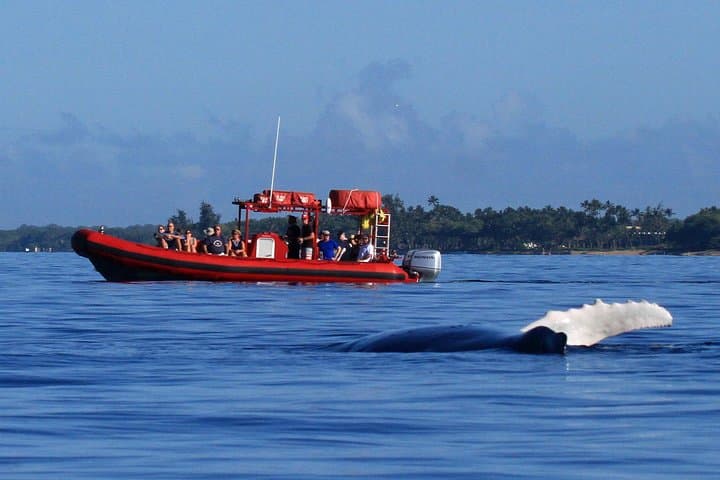
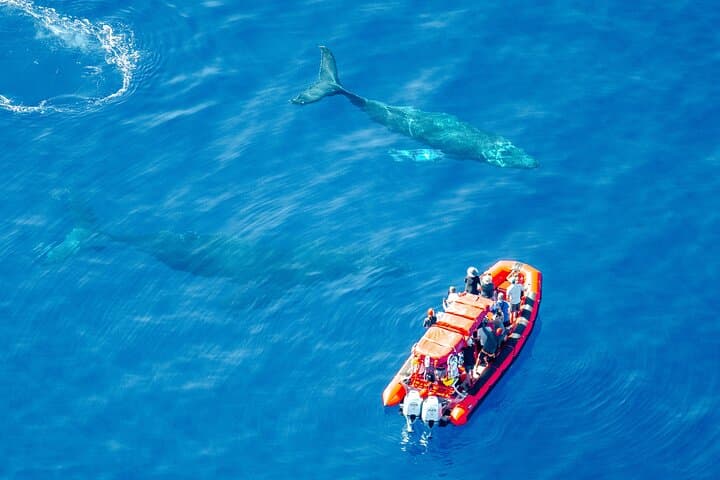
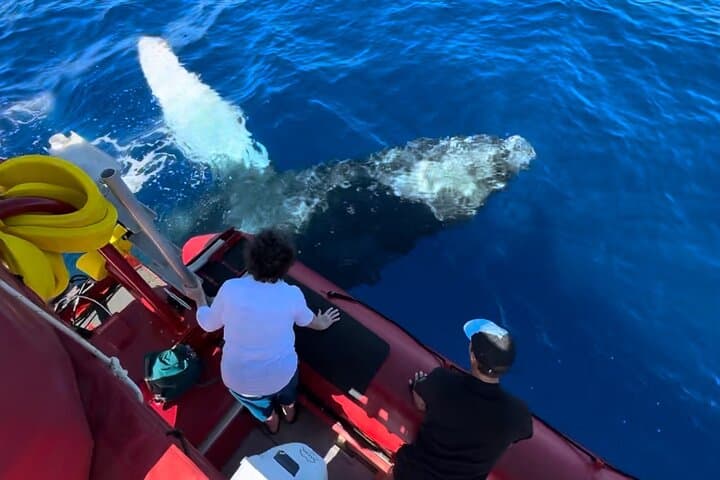
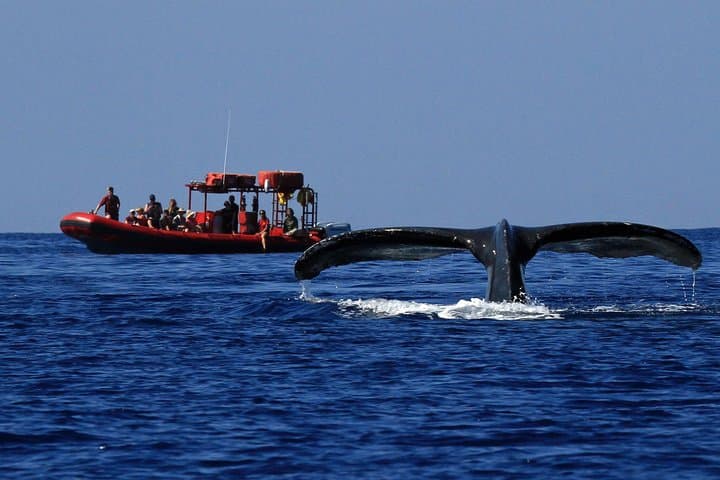
You step onto a low-slung raft at the Kihei boat ramp, the ocean already pulling at the bow like a patient hunter. The raft's choppy speedslashes the calm of the channel, and within minutes the coastline—Wailea's resorts and the dark line of lava at La Perouse—recedes into a wide blue stage. The water is alive: spouts punctuate the surface, tails slap like punctuation, and the on-board naturalist lets the whale calls stream through a hydrophone so you can hear the song beneath the swell.
You step onto a low-slung raft at the Kihei boat ramp, the ocean already pulling at the bow like a patient hunter. The raft's choppy speedslashes the calm of the channel, and within minutes the coastline—Wailea's resorts and the dark line of lava at La Perouse—recedes into a wide blue stage. The water is alive: spouts punctuate the surface, tails slap like punctuation, and the on-board naturalist lets the whale calls stream through a hydrophone so you can hear the song beneath the swell.
Humpback whales migrate to Maui from Alaskan feeding grounds each winter, using the shallow, warm waters off southern Maui as a breeding and calving ground. Geologically, the south shore is born of relatively young basalt flows; from sea level these black fingers of lava meet reef and sand, shaping bays where whales can find shelter.
Culturally, Hawaiians hold the kohola (humpback) in esteem—stories and mele recall encounters and respect for the sea. Modern tours balance spectacle with rules: boats must keep distance and minimize noise to protect mothers and calves.
Practical guidance: trips run about 90 minutes and are best at first light when seas are calmer and whales are active. Dress in layers and bring sun protection; the raft's open profile exposes you to wind and spray. If you get seasick, take preventative meds ahead of departure. The tour is limited to about 20 guests, which increases viewing time and access to the hydrophone commentary. Expect a moderate, occasionally bouncy ride and a chance to hear whales' low-frequency songs—an intimate, educational encounter that rewards early arrival and quiet observation.