THE ADVENTURE COLLECTIVE® · Independent discovery and booking for outdoor travel

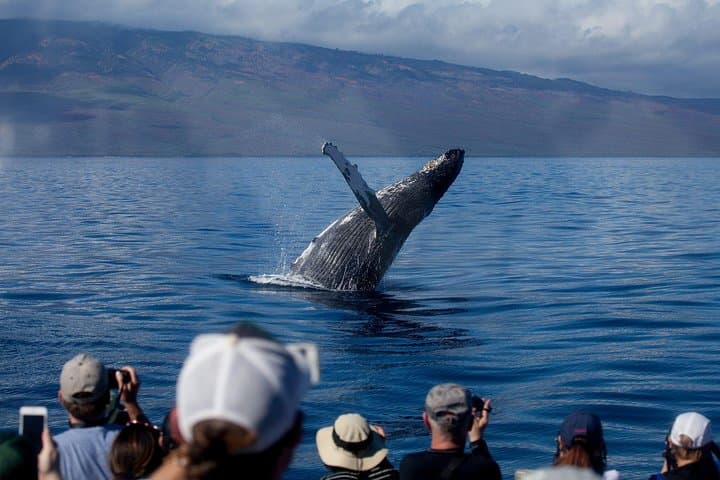
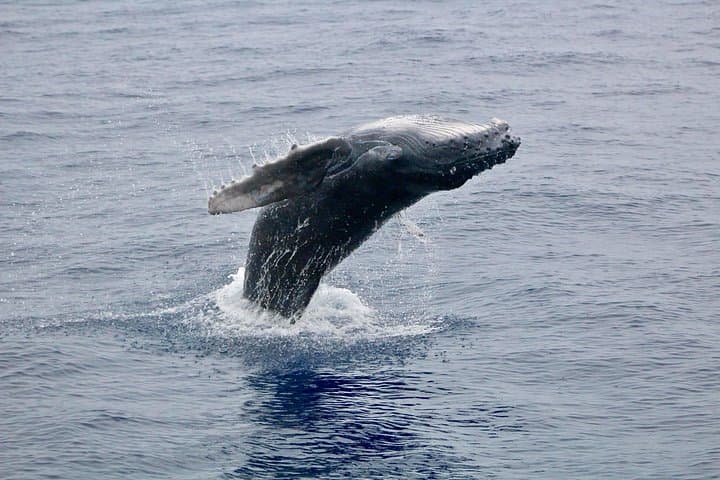
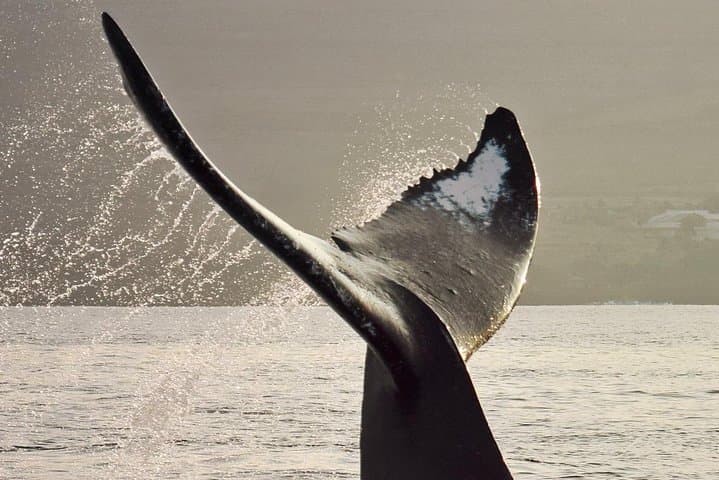
Watch humpbacks breach as the sun sinks behind Lanaʻi on a small-group Ma'alaea Harbor cruise that pairs a four-course dinner and cocktails with expert naturalist commentary. Expect close encounters, calm evenings offshore, and strong seasonal whale activity.
Watch humpbacks breach as the sun sinks behind Lanaʻi on a small-group Ma'alaea Harbor cruise that pairs a four-course dinner and cocktails with expert naturalist commentary. Expect close encounters, calm evenings offshore, and strong seasonal whale activity.
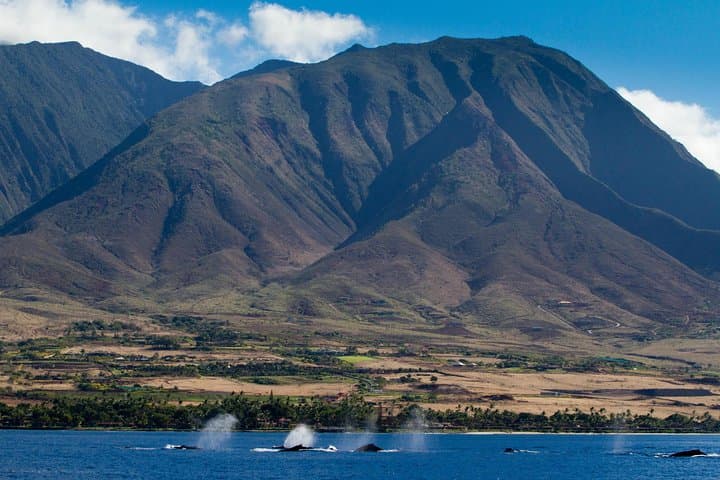
The harbor light fades as the vessel slips away from Ma'alaea; salt air rolls across the deck and the Pacific opens like a dark promise. Guests settle into a four-course dinner while the sun lowers behind Lanaʻi and Molokaʻi, and the first black shapes of humpback whales puncture the surface—arches and spouts that demand your attention.
Verified experiences and guided adventures in the surrounding area.
Operated by Pacific Whale Foundation · Ma'alaea, Hawaii
The harbor light fades as the vessel slips away from Ma'alaea; salt air rolls across the deck and the Pacific opens like a dark promise. Guests settle into a four-course dinner while the sun lowers behind Lanaʻi and Molokaʻi, and the first black shapes of humpback whales puncture the surface—arches and spouts that demand your attention.
This stretch of water is part of the central Maui shelf, shaped by volcanic flows and coral growth, where migrating North Pacific humpbacks funnel in each winter to breed and calve. Ma'alaea itself rose from a working harbor to a small marine hub; nearby McGregor Point once guided local fishermen and now frames the approach to the bay. Hawaiian culture treats these waters with respect—locally, whales are honored as keiki o ke kai (children of the sea) and sightings carry significance.
On board, expect interpretive commentary from marine naturalists who explain whale behavior, migration timing (peak: January–March), and local conservation efforts. The evening balances relaxation with education: plated dishes, included Mai Tais, and focused viewing windows.
Practical guidance: arrive 45 minutes early to check in, bring a windproof layer (evenings get cool offshore), and sit where the rail offers unobstructed views. If you get seasick, take precautions before boarding; binoculars and a camera with a zoom lens improve sightings. Respect wildlife—follow crew instructions on approaching animals and keep noise low. For photographers and first-time whale-watchers alike, this cruise pairs the ritual of sunset with the unpredictable thrill of seeing whales in their season.
easy.
3 hours.
Suitable for all fitness levels; requires basic mobility to board and move on deck.
Most sightings are North Pacific humpback whales during winter migration (roughly December–May), with peak activity January–March.
Yes — the cruise includes a four-course dinner and alcoholic beverages such as a complimentary Mai Tai, as noted in the listing.
Children are welcome; infants and small children can ride in a stroller, and children 4 and under are free but must be accounted for on booking.
Trips may be canceled in unsafe conditions; the operator offers a full refund if canceled at least 24 hours before departure or for bad weather per the cancellation policy.
Ma'alaea developed as a working harbor and reef edge where traditional Hawaiian fishing met 20th-century marina infrastructure; the area now blends recreation and small-scale commercial use.
Operators follow NOAA guidelines for whale watching; maintain distance, minimize noise, and support local marine research through ticket surcharges or partnerships when available.
Pacific Whale Foundation operates guided outdoor trips and adventures with an emphasis on safety, stewardship, and memorable experiences.
The harbor light fades as the vessel slips away from Ma'alaea; salt air rolls across the deck and the Pacific opens like a dark promise. Guests settle into a four-course dinner while the sun lowers behind Lanaʻi and Molokaʻi, and the first black shapes of humpback whales puncture the surface—arches and spouts that demand your attention.
The harbor light fades as the vessel slips away from Ma'alaea; salt air rolls across the deck and the Pacific opens like a dark promise. Guests settle into a four-course dinner while the sun lowers behind Lanaʻi and Molokaʻi, and the first black shapes of humpback whales puncture the surface—arches and spouts that demand your attention.
This stretch of water is part of the central Maui shelf, shaped by volcanic flows and coral growth, where migrating North Pacific humpbacks funnel in each winter to breed and calve. Ma'alaea itself rose from a working harbor to a small marine hub; nearby McGregor Point once guided local fishermen and now frames the approach to the bay. Hawaiian culture treats these waters with respect—locally, whales are honored as keiki o ke kai (children of the sea) and sightings carry significance.
On board, expect interpretive commentary from marine naturalists who explain whale behavior, migration timing (peak: January–March), and local conservation efforts. The evening balances relaxation with education: plated dishes, included Mai Tais, and focused viewing windows.
Practical guidance: arrive 45 minutes early to check in, bring a windproof layer (evenings get cool offshore), and sit where the rail offers unobstructed views. If you get seasick, take precautions before boarding; binoculars and a camera with a zoom lens improve sightings. Respect wildlife—follow crew instructions on approaching animals and keep noise low. For photographers and first-time whale-watchers alike, this cruise pairs the ritual of sunset with the unpredictable thrill of seeing whales in their season.