THE ADVENTURE COLLECTIVE® · Independent discovery and booking for outdoor travel

Turn wet clay into a usable mug or bowl in a two-hour wheel-throwing class on Maui. Beginners receive step-by-step instruction and can have selected pieces glazed, fired and shipped after the session.
Turn wet clay into a usable mug or bowl in a two-hour wheel-throwing class on Maui. Beginners receive step-by-step instruction and can have selected pieces glazed, fired and shipped after the session.
Step into a compact studio off a quiet Maui lane: the wheel hums, warm clay yields beneath a steady hand, and trade wind air slips through a screened window. The room smells faintly of wet earth and glaze; a wooden shelf holds drying forms like small, patient ships. You sit, the wheel spins, and the instructor guides you through centering, opening and pulling until a simple cup rises from a lump of clay.
Verified experiences and guided adventures in the surrounding area.
Operated by David Kett · Kihei, HI
Step into a compact studio off a quiet Maui lane: the wheel hums, warm clay yields beneath a steady hand, and trade wind air slips through a screened window. The room smells faintly of wet earth and glaze; a wooden shelf holds drying forms like small, patient ships. You sit, the wheel spins, and the instructor guides you through centering, opening and pulling until a simple cup rises from a lump of clay.
Maui’s modern ceramics scene borrows from Japanese, Hawaiian and Californian craft traditions established in the 20th century. Local clays are rare here, so most studios import stoneware and use gas or electric kilns; glazing techniques combine Pacific motifs with functional design. The class experience is social and technical — you’ll learn basic wheel technique, then practice to make one to three pieces during the session.
Expect hands-on instruction, aprons provided, and the option to have pieces glazed, fired and shipped later. The pace is deliberate: demonstrations framed as short phases, followed by practice. Classes are wheelchair accessible and suitable for beginners, but not recommended for pregnant travelers.
Practical tips: wear clothes you don’t mind getting clay on; arrive hydrated and ready to stand or sit through two hours; allow extra time for parking and locating the back-studio entrance described in your booking confirmation. If you want finished, glazed pieces shipped home, factor in extra lead time and shipping fees. For a compact, creative taste of Maui beyond the beaches, this class pairs tactile learning with a take-home memory you can actually use.
easy.
2 hours.
Suitable for all fitness levels; requires basic hand-eye coordination and ability to sit or stand for the session
No; the class is designed for beginners and uses step-by-step demonstrations covering centering, opening and pulling.
Yes — the instructor can glaze, fire and ship selected pieces for an additional fee; shipping timelines vary by destination.
Yes — the listing indicates wheelchair accessibility for the studio and surfaces, but contact the operator if you need specific accommodations.
For a full refund cancel at least 24 hours before the scheduled start time; cancellations within 24 hours are non-refundable.
Modern ceramic practice on Maui blends Asian kiln traditions with island motifs; most contemporary studios emerged in the late 20th century as part of a broader Hawaiian craft revival.
Choose studios that use lead-free glazes and responsible shipping practices; minimizing single-use packaging and supporting local artisans helps reduce environmental impact.
David Kett operates guided outdoor trips and adventures with an emphasis on safety, stewardship, and memorable experiences.
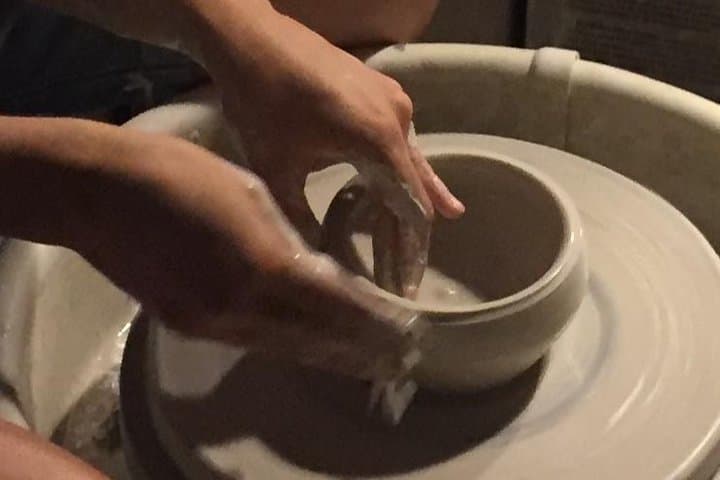
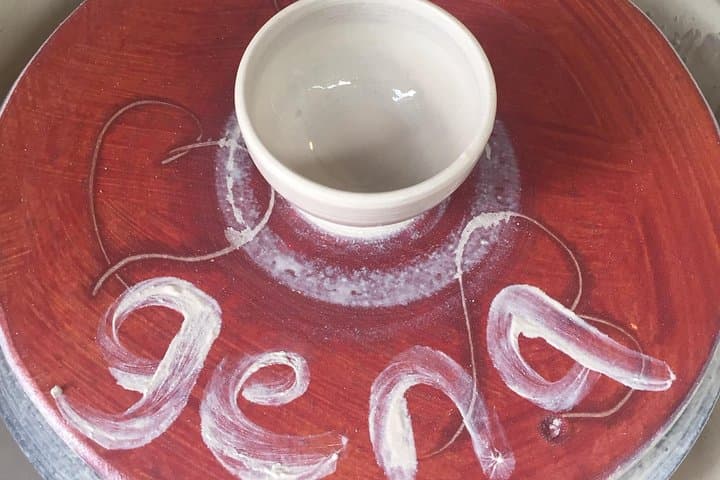
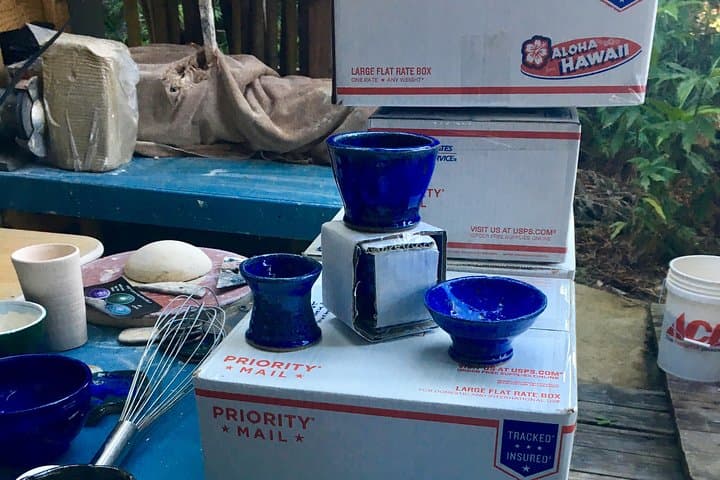
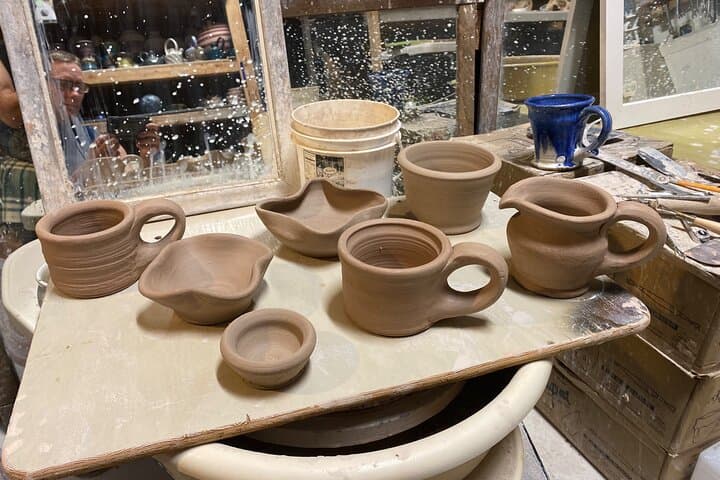
Step into a compact studio off a quiet Maui lane: the wheel hums, warm clay yields beneath a steady hand, and trade wind air slips through a screened window. The room smells faintly of wet earth and glaze; a wooden shelf holds drying forms like small, patient ships. You sit, the wheel spins, and the instructor guides you through centering, opening and pulling until a simple cup rises from a lump of clay.
Step into a compact studio off a quiet Maui lane: the wheel hums, warm clay yields beneath a steady hand, and trade wind air slips through a screened window. The room smells faintly of wet earth and glaze; a wooden shelf holds drying forms like small, patient ships. You sit, the wheel spins, and the instructor guides you through centering, opening and pulling until a simple cup rises from a lump of clay.
Maui’s modern ceramics scene borrows from Japanese, Hawaiian and Californian craft traditions established in the 20th century. Local clays are rare here, so most studios import stoneware and use gas or electric kilns; glazing techniques combine Pacific motifs with functional design. The class experience is social and technical — you’ll learn basic wheel technique, then practice to make one to three pieces during the session.
Expect hands-on instruction, aprons provided, and the option to have pieces glazed, fired and shipped later. The pace is deliberate: demonstrations framed as short phases, followed by practice. Classes are wheelchair accessible and suitable for beginners, but not recommended for pregnant travelers.
Practical tips: wear clothes you don’t mind getting clay on; arrive hydrated and ready to stand or sit through two hours; allow extra time for parking and locating the back-studio entrance described in your booking confirmation. If you want finished, glazed pieces shipped home, factor in extra lead time and shipping fees. For a compact, creative taste of Maui beyond the beaches, this class pairs tactile learning with a take-home memory you can actually use.