THE ADVENTURE COLLECTIVE® · Independent discovery and booking for outdoor travel

Taste Maui’s sweetest fruit where it’s grown. This 90-minute Upcountry tour walks you through working pineapple fields, the packing facility, and ends with an airport-ready pineapple to take home.
Taste Maui’s sweetest fruit where it’s grown. This 90-minute Upcountry tour walks you through working pineapple fields, the packing facility, and ends with an airport-ready pineapple to take home.
You step off the coach into a patchwork of low, spiky crowns — rows of pineapple plants leaning toward the sun, the air sharp with citrus-sweet perfume. Upcountry Haliimaile sits above the coastal haze; trade winds lift the heat and the soil smells faintly volcanic. Guides move through the rows like field linguists, pointing out growth stages and handing over a slice hot from the harvest.
Verified experiences and guided adventures in the surrounding area.
Operated by Maui Pineapple Tour · Haliimaile, Hawaii
You step off the coach into a patchwork of low, spiky crowns — rows of pineapple plants leaning toward the sun, the air sharp with citrus-sweet perfume. Upcountry Haliimaile sits above the coastal haze; trade winds lift the heat and the soil smells faintly volcanic. Guides move through the rows like field linguists, pointing out growth stages and handing over a slice hot from the harvest.
Pineapple shaped Maui’s agrarian era through the 20th century, when plantations and packing sheds linked the island to global markets. The farm here keeps that industrial history visible: you’ll see the packing facility where ripe fruit is graded and prepped for export, and you’ll hear about modern hybrid varieties that gave rise to the Maui Gold name.
Geology matters — porous volcanic loams drain fast and force concentrated sweetness into fruit; elevation cools nights and slows sugar loss. Culturally, this is upcountry Maui: paniolo history, pastured ranches, and small-scale farms sharing harvests with local markets.
Practically, the tour is compact and hands-on — expect 90 minutes of short walks, standing demonstrations, and generous tastings. Every guest leaves with an airport-ready pineapple. Bring sun protection, steady shoes for uneven ground, and a reusable water bottle. Tours meet at the Maui Pineapple Store in Haliimaile and operate rain or shine with a 24-hour cancellation window. For anyone wanting a quick, sensory primer on Hawaiian agriculture — sweet, factual, and portable — this is a tidy, family-friendly stop in the upcountry landscape.
easy.
1.5 hours.
Light walking and standing for short periods; suitable for most fitness levels and families with children aged 3+
The tour runs about 90 minutes and includes a guided walk through the fields, a look at the packing facility, pineapple tastings, and one airport-ready pineapple per guest.
Yes — children aged 3 and older may join; the operator will not refund parties arriving with children under 3.
The tour involves boarding a mini coach with three steps and standing for up to 20 minutes; there is limited space for wheelchairs or walkers on the bus.
Full refunds are available if you cancel at least 24 hours before the scheduled departure time; tours may be canceled for bad weather.
Pineapple plantations were a major economic engine for Maui in the 20th century; packing facilities and varietal development shaped modern brands like Maui Gold.
Farm operations emphasize reduced waste and water-efficient practices; visitors are encouraged to follow leave-no-trace principles and support local produce.
Maui Pineapple Tour operates guided outdoor trips and adventures with an emphasis on safety, stewardship, and memorable experiences.
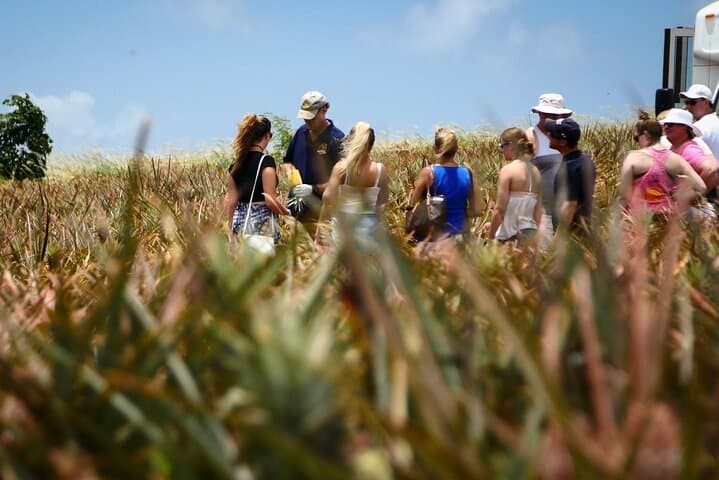
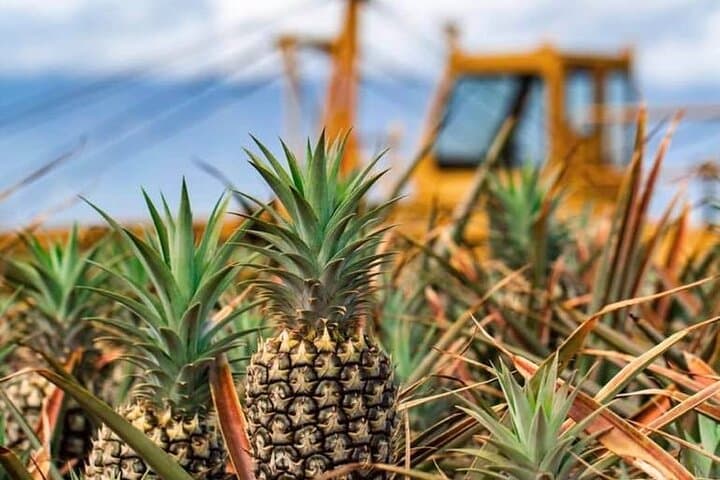
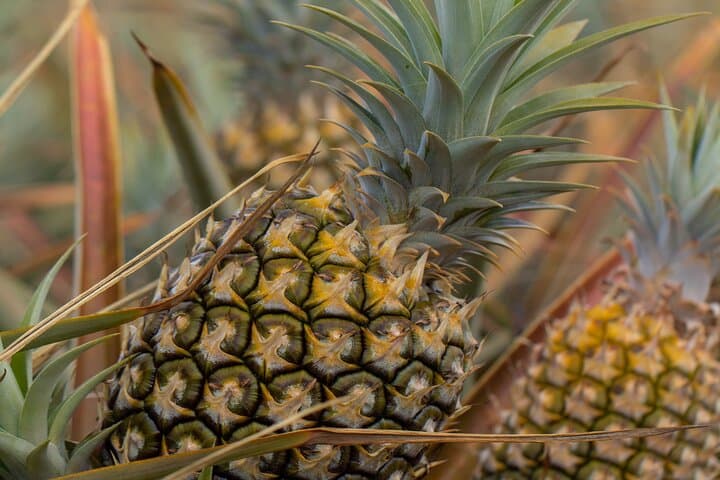
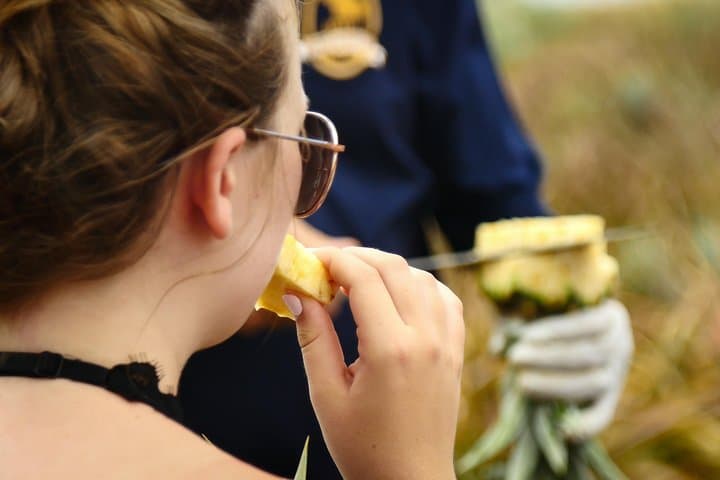
You step off the coach into a patchwork of low, spiky crowns — rows of pineapple plants leaning toward the sun, the air sharp with citrus-sweet perfume. Upcountry Haliimaile sits above the coastal haze; trade winds lift the heat and the soil smells faintly volcanic. Guides move through the rows like field linguists, pointing out growth stages and handing over a slice hot from the harvest.
You step off the coach into a patchwork of low, spiky crowns — rows of pineapple plants leaning toward the sun, the air sharp with citrus-sweet perfume. Upcountry Haliimaile sits above the coastal haze; trade winds lift the heat and the soil smells faintly volcanic. Guides move through the rows like field linguists, pointing out growth stages and handing over a slice hot from the harvest.
Pineapple shaped Maui’s agrarian era through the 20th century, when plantations and packing sheds linked the island to global markets. The farm here keeps that industrial history visible: you’ll see the packing facility where ripe fruit is graded and prepped for export, and you’ll hear about modern hybrid varieties that gave rise to the Maui Gold name.
Geology matters — porous volcanic loams drain fast and force concentrated sweetness into fruit; elevation cools nights and slows sugar loss. Culturally, this is upcountry Maui: paniolo history, pastured ranches, and small-scale farms sharing harvests with local markets.
Practically, the tour is compact and hands-on — expect 90 minutes of short walks, standing demonstrations, and generous tastings. Every guest leaves with an airport-ready pineapple. Bring sun protection, steady shoes for uneven ground, and a reusable water bottle. Tours meet at the Maui Pineapple Store in Haliimaile and operate rain or shine with a 24-hour cancellation window. For anyone wanting a quick, sensory primer on Hawaiian agriculture — sweet, factual, and portable — this is a tidy, family-friendly stop in the upcountry landscape.