THE ADVENTURE COLLECTIVE® · Independent discovery and booking for outdoor travel

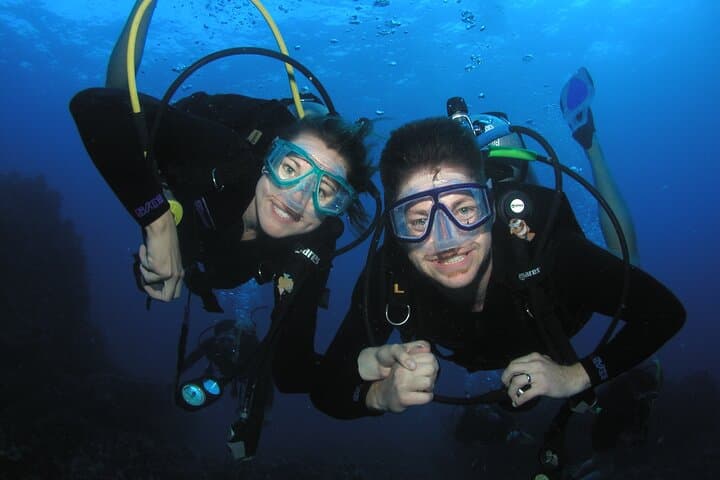
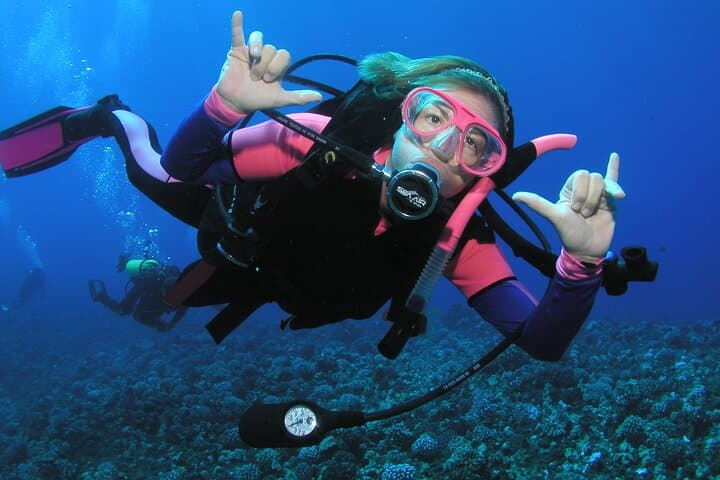
Take your first breaths underwater off Maui with an instructor-led intro dive. This two-hour experience covers gear, basic skills and a guided shallow reef dive where you may encounter turtles and tropical fish.
Take your first breaths underwater off Maui with an instructor-led intro dive. This two-hour experience covers gear, basic skills and a guided shallow reef dive where you may encounter turtles and tropical fish.
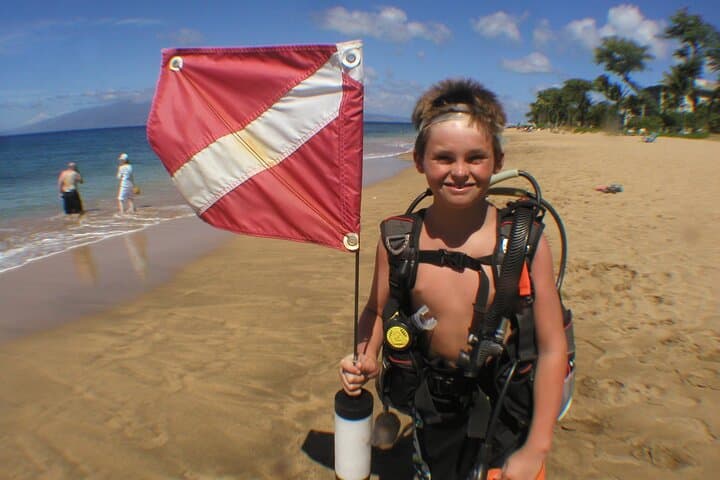
You meet in a sun-baked lot beside a white van, inhale salt and engine warmth, and then step toward water that burns blue under the glare. The reef waits a short ride or walk away; instructors walk you through gear until the regulator becomes an extension of breath. The first breaths underwater are deliberate—bubbles rise like punctuation while the reef adjusts to your presence.
Verified experiences and guided adventures in the surrounding area.
Operated by In2Scuba Diving Maui Dive Co. · Lahaina, Hawaii
You meet in a sun-baked lot beside a white van, inhale salt and engine warmth, and then step toward water that burns blue under the glare. The reef waits a short ride or walk away; instructors walk you through gear until the regulator becomes an extension of breath. The first breaths underwater are deliberate—bubbles rise like punctuation while the reef adjusts to your presence.
Maui’s reefs sit on young volcanic rock formed by Haleakalā’s eruptions and then colonized by corals over centuries. The marine environment here has long been central to Hawaiian life—fishing, navigation and cultural respect for honu (green sea turtles) and reef fish. Local guides emphasize both safety and stewardship: you’ll be taught no-touch protocols and shown how currents and coral structure affect dive routes.
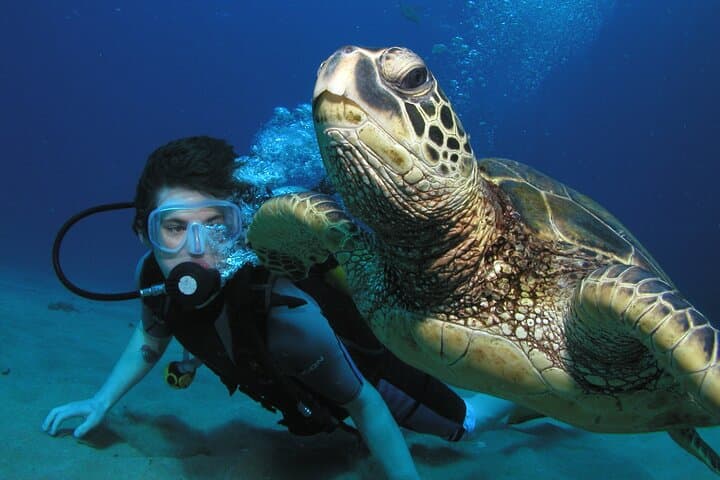
Expect a structured two-hour experience: pre-dive briefing, confined-skill practice near shore or in shallow water, then a guided shallow dive (commonly 30–40 feet/9–12 m or less) focused on buoyancy and comfort. Visibility on Maui is usually excellent; you may see green sea turtles, tropical reef fish, and healthy coral formations.
Practicalities: be a strong swimmer, complete medical screening honestly, and avoid flying for at least 12 hours after diving. Wear a swimsuit under clothing, bring a towel, sun protection and a refillable water bottle. Listen closely during the skills portion—calm, steady breathing and good buoyancy make the dive safe and enjoyable. If you plan to continue, ask about next-step certification and recommended surface intervals for repeat dives.
moderate.
2 hours.
Moderate: must be a strong swimmer with basic cardiovascular fitness and comfort in open water
No certification required—this is designed for first-time divers, though you must be at least 12 and a strong swimmer.
Intro dives typically stay in shallow reef zones around 30–40 feet (9–12 m) or shallower, focused on skills and comfort.
Common sightings include green sea turtles (honu), reef fish like butterflyfish and parrotfish, and healthy coral formations.
This operator lists all sales final; cancellations receive no refund and dives may be cancelled for medical concerns or bad weather.
Maui’s nearshore reefs formed on basalt lava flows from Haleakalā and have supported Hawaiian fishing and voyaging traditions for centuries.
Operators emphasize no-touch policies and reef-safe products; minimizing contact and anchoring on reefs helps preserve coral health.
In2Scuba Diving Maui Dive Co. operates guided outdoor trips and adventures with an emphasis on safety, stewardship, and memorable experiences.
You meet in a sun-baked lot beside a white van, inhale salt and engine warmth, and then step toward water that burns blue under the glare. The reef waits a short ride or walk away; instructors walk you through gear until the regulator becomes an extension of breath. The first breaths underwater are deliberate—bubbles rise like punctuation while the reef adjusts to your presence.
You meet in a sun-baked lot beside a white van, inhale salt and engine warmth, and then step toward water that burns blue under the glare. The reef waits a short ride or walk away; instructors walk you through gear until the regulator becomes an extension of breath. The first breaths underwater are deliberate—bubbles rise like punctuation while the reef adjusts to your presence.
Maui’s reefs sit on young volcanic rock formed by Haleakalā’s eruptions and then colonized by corals over centuries. The marine environment here has long been central to Hawaiian life—fishing, navigation and cultural respect for honu (green sea turtles) and reef fish. Local guides emphasize both safety and stewardship: you’ll be taught no-touch protocols and shown how currents and coral structure affect dive routes.
Expect a structured two-hour experience: pre-dive briefing, confined-skill practice near shore or in shallow water, then a guided shallow dive (commonly 30–40 feet/9–12 m or less) focused on buoyancy and comfort. Visibility on Maui is usually excellent; you may see green sea turtles, tropical reef fish, and healthy coral formations.
Practicalities: be a strong swimmer, complete medical screening honestly, and avoid flying for at least 12 hours after diving. Wear a swimsuit under clothing, bring a towel, sun protection and a refillable water bottle. Listen closely during the skills portion—calm, steady breathing and good buoyancy make the dive safe and enjoyable. If you plan to continue, ask about next-step certification and recommended surface intervals for repeat dives.