THE ADVENTURE COLLECTIVE® · Independent discovery and booking for outdoor travel

Step off the sand and into a 90‑minute shoreline snorkel that puts Maui’s fringing reefs within arm’s reach. This guided, easy-paced trip is ideal for first-timers and families who want up-close views of turtles, parrotfish and corals without a boat transfer.
Step off the sand and into a 90‑minute shoreline snorkel that puts Maui’s fringing reefs within arm’s reach. This guided, easy-paced trip is ideal for first-timers and families who want up-close views of turtles, parrotfish and corals without a boat transfer.
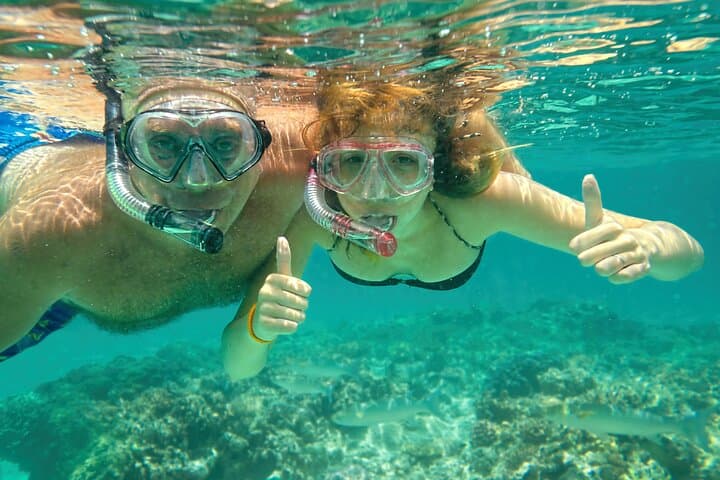
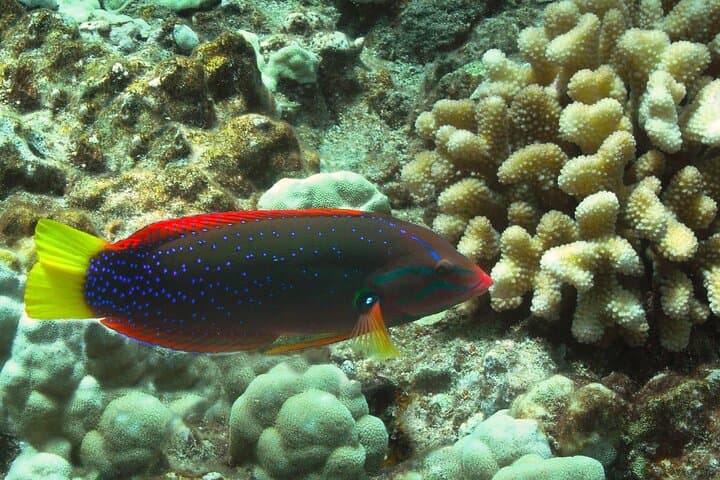
The morning surf parts like a curtain and the reef waits—shallow gardens of coral where tangs and parrotfish dart between bommies. On a shoreline snorkel in Maui you don a mask on sand, step into waist-deep water and let a slow current carry you past pillows of coral no deeper than 3–15 feet. A guide keeps pace, pointing out bright butterflyfish, grazing surgeonfish and the occasional green sea turtle pressing its face against an algal patch.
Verified experiences and guided adventures in the surrounding area.
Operated by South Pacific Kayaks & Outfitters · Lahaina, Hawaii
The morning surf parts like a curtain and the reef waits—shallow gardens of coral where tangs and parrotfish dart between bommies. On a shoreline snorkel in Maui you don a mask on sand, step into waist-deep water and let a slow current carry you past pillows of coral no deeper than 3–15 feet. A guide keeps pace, pointing out bright butterflyfish, grazing surgeonfish and the occasional green sea turtle pressing its face against an algal patch.
Geology here is recent volcanic rock turned to coastline; coral has colonized lava shelves to form fringing reefs that shelter bays and fisheries. Culturally, Hawaiians have long managed nearshore resources through ahupuaʻa systems and loko iʻa (fishponds), a practical heritage reflected today in reef respect and local stewardship.
Practically, expect a 90-minute outing that stays close to shore, with masks, snorkels and optional PFDs provided. Water temperatures generally sit in the mid-70s to low-80s°F year-round and visibility is best in calm, windless conditions—early morning is prime. Keep movements slow, avoid touching coral, use reef-safe sunscreen, and listen to your guide about entry points and currents. This is an accessible introduction to Hawaiian reefs: minimal swimming distance, no boat transfer, and plenty of close encounters with reef life. For photographers, a compact waterproof camera will capture colors the mask amplifies; for first-timers, a flotation belt makes breathing easy and extends time exploring.
The shoreline snorkel offers an immediate, low-barrier window into the reef world—intimate, educational and shaped by the steady rhythm of the ocean.
easy.
1.5 hours.
Suitable for all fitness levels; able to tread water and float for short periods.
No—this shoreline snorkel is paced for beginners and guides provide basic instruction and flotation options.
Age and booking policies can vary; check the operator’s booking page but family-friendly options are common for older children who can swim.
Yes—standard snorkel sets and bottled water are included; PFDs or swim belts are available if requested.
Tours typically cancel for rough surf or unsafe conditions; you’ll be offered a refund or reschedule per the operator’s 24‑hour cancellation window.
Maui’s nearshore reefs developed on lava-shelf foundations and were historically managed through ahupuaʻa land divisions and loko iʻa fishpond systems.
Practice reef-safe sun protection, avoid touching coral or chasing wildlife, and use marked entry points to minimize trampling of fragile reef and algal communities.
South Pacific Kayaks & Outfitters operates guided outdoor trips and adventures with an emphasis on safety, stewardship, and memorable experiences.


The morning surf parts like a curtain and the reef waits—shallow gardens of coral where tangs and parrotfish dart between bommies. On a shoreline snorkel in Maui you don a mask on sand, step into waist-deep water and let a slow current carry you past pillows of coral no deeper than 3–15 feet. A guide keeps pace, pointing out bright butterflyfish, grazing surgeonfish and the occasional green sea turtle pressing its face against an algal patch.
The morning surf parts like a curtain and the reef waits—shallow gardens of coral where tangs and parrotfish dart between bommies. On a shoreline snorkel in Maui you don a mask on sand, step into waist-deep water and let a slow current carry you past pillows of coral no deeper than 3–15 feet. A guide keeps pace, pointing out bright butterflyfish, grazing surgeonfish and the occasional green sea turtle pressing its face against an algal patch.
Geology here is recent volcanic rock turned to coastline; coral has colonized lava shelves to form fringing reefs that shelter bays and fisheries. Culturally, Hawaiians have long managed nearshore resources through ahupuaʻa systems and loko iʻa (fishponds), a practical heritage reflected today in reef respect and local stewardship.
Practically, expect a 90-minute outing that stays close to shore, with masks, snorkels and optional PFDs provided. Water temperatures generally sit in the mid-70s to low-80s°F year-round and visibility is best in calm, windless conditions—early morning is prime. Keep movements slow, avoid touching coral, use reef-safe sunscreen, and listen to your guide about entry points and currents. This is an accessible introduction to Hawaiian reefs: minimal swimming distance, no boat transfer, and plenty of close encounters with reef life. For photographers, a compact waterproof camera will capture colors the mask amplifies; for first-timers, a flotation belt makes breathing easy and extends time exploring.
The shoreline snorkel offers an immediate, low-barrier window into the reef world—intimate, educational and shaped by the steady rhythm of the ocean.