THE ADVENTURE COLLECTIVE® · Independent discovery and booking for outdoor travel

A full-day, guide-led trip from Lima into the Andes to visit the Cataract of Matucana. Expect a scenic 3‑hour drive each way, a moderate hike to waterfall viewpoints, and time to sample town markets.
A full-day, guide-led trip from Lima into the Andes to visit the Cataract of Matucana. Expect a scenic 3‑hour drive each way, a moderate hike to waterfall viewpoints, and time to sample town markets.
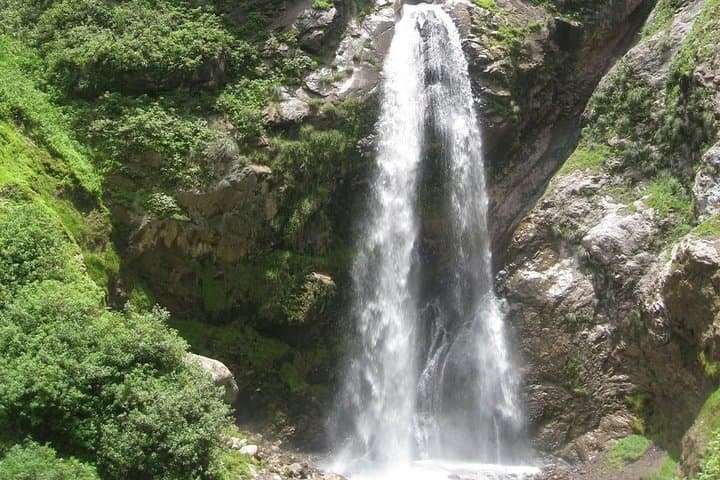
Dawn breaks over Lima’s eastern rim as a shuttle threads asphalt into the high valleys, the city’s concrete giving way to steep terraces and scrubby pine. By mid-morning the hills open and the Cataract of Matucana appears—water cutting a bright line down basalt and scree, daring visitors to step closer and feel the spray.
Verified experiences and guided adventures in the surrounding area.
Operated by America Viajes · Matucana, Lima
Dawn breaks over Lima’s eastern rim as a shuttle threads asphalt into the high valleys, the city’s concrete giving way to steep terraces and scrubby pine. By mid-morning the hills open and the Cataract of Matucana appears—water cutting a bright line down basalt and scree, daring visitors to step closer and feel the spray.
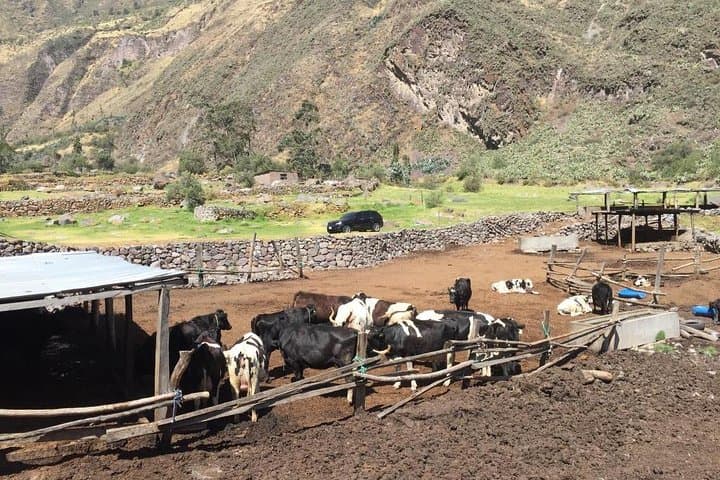
The route follows centuries-old Andean foothills that supplied Lima with fresh water and seasonal crops; Matucana itself grew around mining and mountain agriculture. Geologically the canyon is carved from young volcanic and sedimentary formations; the waterfall runs on steep, fractured rock that channels sudden snowmelt and storm runoff. Local culture blends mountain town hospitality with markets selling roasted corn, cheeses and artisan textiles.
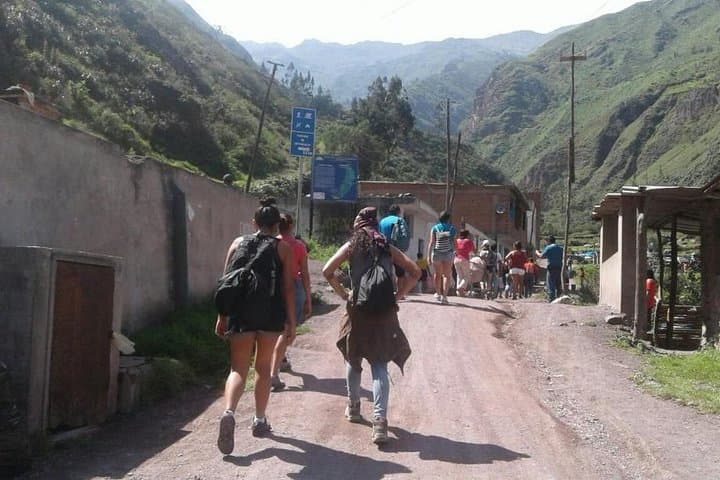
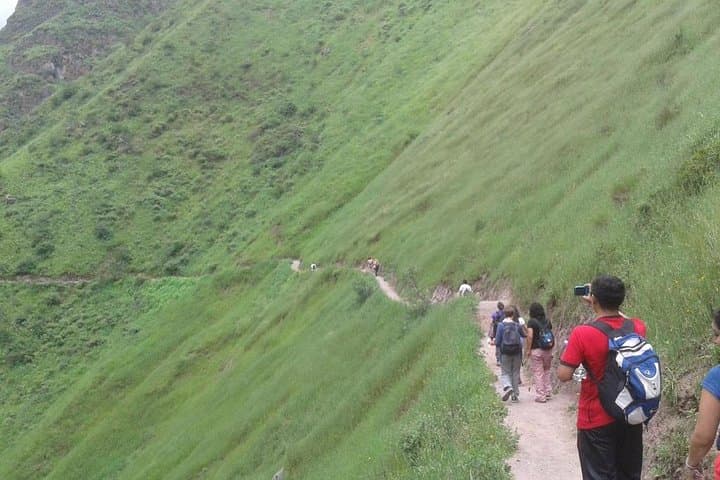
Expect a roughly 3‑hour drive each way from Lima, a brief town orientation, and a 1–2 hour hike to vantage points and cooling pools. Trails are a mix of village tracks, packed dirt, and rocky switchbacks with short steep sections—moderate fitness makes the walk manageable. The guide-led format includes hotel pickup and return; bring layered clothing for temperature swings, sturdy shoes for uneven terrain, and a daypack with water and sun protection.
Practically: start early to avoid afternoon clouds and to see the canyon light; plan for lunch in Matucana after the waterfall stop; carry cash for local vendors. Respect marked paths and river edges—flows can surge after rain. For travelers from Lima this is a compact, high-value day in the Andes: accessible, scenic, and rooted in local mountain life.
moderate.
12 hours.
Moderate fitness: able to walk 1–3 hours on uneven terrain and handle short steep sections at altitude.
The itinerary includes about a 3‑hour drive each way (roughly 74 km) depending on traffic and road conditions.
Short children can be carried or use strollers in town, but the waterfall trail includes uneven sections not suitable for regular strollers; parents should assess their child’s hiking ability.
Yes — the schedule includes time in Matucana for lunch at local eateries and vendors, and guides typically point out safe spots to eat.
There are places to cool off, but swimming depends on water flow and safety; follow your guide’s instructions and avoid strong currents after rains.
Matucana developed along Andean agricultural terraces and mining routes that connected highland communities with Lima; its waterfalls have long served as local water sources.
Stick to trails and avoid disturbing riparian vegetation; increased day‑tour traffic can erode paths—use established entry points and support local guides.
America Viajes operates guided outdoor trips and adventures with an emphasis on safety, stewardship, and memorable experiences.
Dawn breaks over Lima’s eastern rim as a shuttle threads asphalt into the high valleys, the city’s concrete giving way to steep terraces and scrubby pine. By mid-morning the hills open and the Cataract of Matucana appears—water cutting a bright line down basalt and scree, daring visitors to step closer and feel the spray.
Dawn breaks over Lima’s eastern rim as a shuttle threads asphalt into the high valleys, the city’s concrete giving way to steep terraces and scrubby pine. By mid-morning the hills open and the Cataract of Matucana appears—water cutting a bright line down basalt and scree, daring visitors to step closer and feel the spray.
The route follows centuries-old Andean foothills that supplied Lima with fresh water and seasonal crops; Matucana itself grew around mining and mountain agriculture. Geologically the canyon is carved from young volcanic and sedimentary formations; the waterfall runs on steep, fractured rock that channels sudden snowmelt and storm runoff. Local culture blends mountain town hospitality with markets selling roasted corn, cheeses and artisan textiles.
Expect a roughly 3‑hour drive each way from Lima, a brief town orientation, and a 1–2 hour hike to vantage points and cooling pools. Trails are a mix of village tracks, packed dirt, and rocky switchbacks with short steep sections—moderate fitness makes the walk manageable. The guide-led format includes hotel pickup and return; bring layered clothing for temperature swings, sturdy shoes for uneven terrain, and a daypack with water and sun protection.
Practically: start early to avoid afternoon clouds and to see the canyon light; plan for lunch in Matucana after the waterfall stop; carry cash for local vendors. Respect marked paths and river edges—flows can surge after rain. For travelers from Lima this is a compact, high-value day in the Andes: accessible, scenic, and rooted in local mountain life.