THE ADVENTURE COLLECTIVE® · Independent discovery and booking for outdoor travel

Soar above glaciers and gullies on a VIP tandem paragliding flight with direct Matterhorn views. This two‑hour experience includes briefing, gear, and a 25–35 minute flight guided by certified Swiss pilots.
Soar above glaciers and gullies on a VIP tandem paragliding flight with direct Matterhorn views. This two‑hour experience includes briefing, gear, and a 25–35 minute flight guided by certified Swiss pilots.
You step out of the lift into thin, cold air and the Matterhorn turns its face toward you—sharp, geometric, indifferent. The launch slope hums with activity: pilots checking lines, the canopy filling like a giant, obedient moth. A certified Swiss instructor clips you into a harness, the breeze tests the wing, and then gravity softens into glide.
Verified experiences and guided adventures in the surrounding area.
Operated by FLYBYPARA Active Tourism · Zermatt, Valais
You step out of the lift into thin, cold air and the Matterhorn turns its face toward you—sharp, geometric, indifferent. The launch slope hums with activity: pilots checking lines, the canopy filling like a giant, obedient moth. A certified Swiss instructor clips you into a harness, the breeze tests the wing, and then gravity softens into glide.
Paragliding around the Matterhorn sits at the intersection of Alpine geography and adventure tourism. The Pennine Alps here are primarily gneiss and granite, carved by glaciers into steep ridges and dripping cirques; Zermatt grew from a 19th‑century mountaineering hub into a global mountain resort. Local guides have shaped a culture of precision—weather windows, radio checks, and strict landing procedures are routine.
Expect a 25–35 minute tandem flight within a roughly two‑hour experience: briefing, gearing up, transfer to launch, flight, and descent. The flightline traces valleys, brushes over forested gullies, and offers sweeping views of glaciers and cable cars that stitch the mountains. Instructors provide commentary and hands‑on control when conditions demand it.
Practical notes: weight limits apply (about 90.7 kg/200 lb), and flights are canceled for poor weather. Wear sturdy shoes and warm layers—altitude and wind make temperatures noticeably colder than in town. Bring sunglasses and a small daypack for the approach; the company supplies helmets, harnesses, and safety clothing. If you’re sensitive to heights or have spinal or cardiovascular issues, discuss restrictions with the operator first.
When the canopy settles for landing, the valley feels larger and quieter—like the mountain has handed you a new perspective and asked you to keep its pace.
moderate.
2 hours (flight 25–35 minutes).
Light aerobic fitness—able to run briefly for takeoff and manage short walks to/from launch and landing zones
The maximum passenger weight is approximately 90.72 kg (200 lb); check with the operator before booking.
Tandem flights typically last 25–35 minutes, with the full experience (briefing and transfers) taking about two hours.
Yes—flights are canceled for unsafe wind or visibility; operators usually refund fully if canceled at least 24 hours prior or if weather prevents flying.
No—these are tandem flights with certified pilots, suitable for most adults in good health who meet weight and medical guidelines.
Zermatt evolved from a 19th‑century mountaineering base after the Matterhorn’s first ascent in 1865, and aerial sports became popular as lift infrastructure expanded in the 20th century.
Operators emphasize flying within regulated corridors and using established landing zones to avoid disturbing sensitive alpine flora and wildlife; pack out all waste and follow local trail rules.
FLYBYPARA Active Tourism operates guided outdoor trips and adventures with an emphasis on safety, stewardship, and memorable experiences.


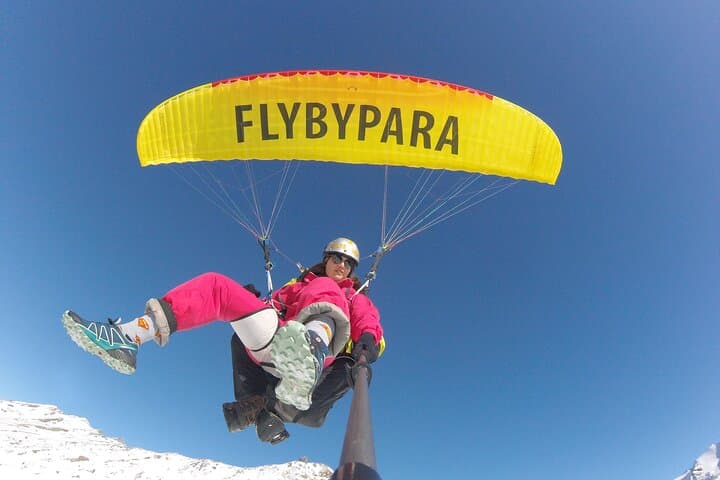
You step out of the lift into thin, cold air and the Matterhorn turns its face toward you—sharp, geometric, indifferent. The launch slope hums with activity: pilots checking lines, the canopy filling like a giant, obedient moth. A certified Swiss instructor clips you into a harness, the breeze tests the wing, and then gravity softens into glide.
You step out of the lift into thin, cold air and the Matterhorn turns its face toward you—sharp, geometric, indifferent. The launch slope hums with activity: pilots checking lines, the canopy filling like a giant, obedient moth. A certified Swiss instructor clips you into a harness, the breeze tests the wing, and then gravity softens into glide.
Paragliding around the Matterhorn sits at the intersection of Alpine geography and adventure tourism. The Pennine Alps here are primarily gneiss and granite, carved by glaciers into steep ridges and dripping cirques; Zermatt grew from a 19th‑century mountaineering hub into a global mountain resort. Local guides have shaped a culture of precision—weather windows, radio checks, and strict landing procedures are routine.
Expect a 25–35 minute tandem flight within a roughly two‑hour experience: briefing, gearing up, transfer to launch, flight, and descent. The flightline traces valleys, brushes over forested gullies, and offers sweeping views of glaciers and cable cars that stitch the mountains. Instructors provide commentary and hands‑on control when conditions demand it.
Practical notes: weight limits apply (about 90.7 kg/200 lb), and flights are canceled for poor weather. Wear sturdy shoes and warm layers—altitude and wind make temperatures noticeably colder than in town. Bring sunglasses and a small daypack for the approach; the company supplies helmets, harnesses, and safety clothing. If you’re sensitive to heights or have spinal or cardiovascular issues, discuss restrictions with the operator first.
When the canopy settles for landing, the valley feels larger and quieter—like the mountain has handed you a new perspective and asked you to keep its pace.