THE ADVENTURE COLLECTIVE® · Independent discovery and booking for outdoor travel

A guided half-day around Matsushima Bay walks you across red bridges, into centuries-old Zen gardens, and past oyster racks stacked on the tide. This tour pairs coastal scenery with cultural context—ideal for travelers who want history and seaside flavor in one easy outing.
A guided half-day around Matsushima Bay walks you across red bridges, into centuries-old Zen gardens, and past oyster racks stacked on the tide. This tour pairs coastal scenery with cultural context—ideal for travelers who want history and seaside flavor in one easy outing.
You arrive on a wind-bright morning and the bay opens like a scatter of inked islands—pines clinging to rock, gulls arguing over the tide, and a vermilion bridge that dares you to cross. The guide leads the group along seawalls and slender footbridges, voice steady against the slap of water, pointing out carved temple eaves and the quiet inlets where oyster lines ripple below the surface.
Verified experiences and guided adventures in the surrounding area.
Operated by MY Travel Consulting · Matsushima, Miyagi Prefecture
You arrive on a wind-bright morning and the bay opens like a scatter of inked islands—pines clinging to rock, gulls arguing over the tide, and a vermilion bridge that dares you to cross. The guide leads the group along seawalls and slender footbridges, voice steady against the slap of water, pointing out carved temple eaves and the quiet inlets where oyster lines ripple below the surface.
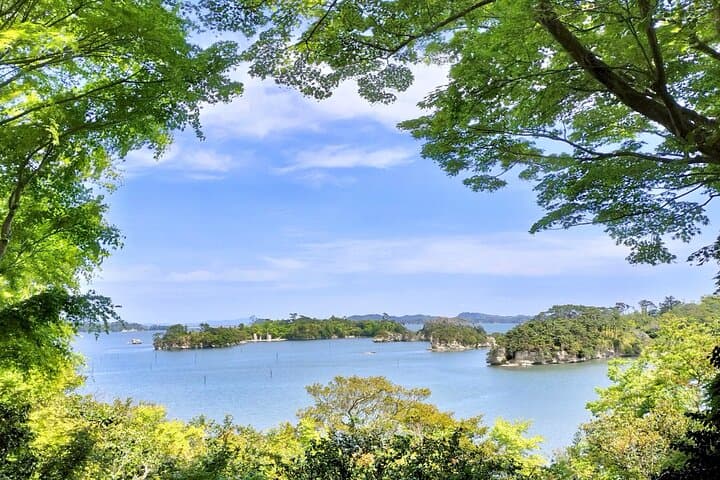
Matsushima is one of Japan's Nihon Sankei, praised by the haiku master Basho and shaped by a drowned ria coastline: sea-level rise carved narrow channels and left roughly 260 islets. Date Masamune later rebuilt key temples here, leaving behind lacquered gates and rock gardens—Zuigan-ji and Entsuin preserve centuries of cultural layering. The area’s working culture is visible in oyster racks and small fishing quays; local kitchens turn briny harvests into charcoal-grilled treats.
Expect easy-to-moderate walking on paved paths, stairs at temple complexes, and one or two narrow bridges without rails. The tour covers Fukuurajima (accessible by red bridge), Zuigan-ji, Entsuin, Oshima and Godaido across about a half-day of paced exploration. Wear grippy shoes for stone steps, bring layered rain protection, and plan for changing coastal winds. Photography windows open at low sun and on calm afternoons when the islands mirror themselves in the water. Guides add context—history, temple etiquette, and local food tips—so arrive curious and leave with a clear sense of place and a list of simple places to return to for oysters and quieter views.
moderate.
6–8 hours.
Suitable for travelers with moderate fitness who can manage repeated short walks and stair sections over several hours.
The tour is about seven hours in total (including short transit segments) at a relaxed, guided walking pace with regular stops at viewpoints and temples.
Admission fees and public transportation costs are included per the listing; private car plans may vary—confirm your chosen option when booking.
Infants and small children can use strollers, but some temple steps and bridges are narrow—child seats are required for small children traveling by car in Japan.
Yes—vegetarian, vegan, and gluten-free requests can be accommodated if indicated at booking; notify the operator of special requirements.
Matsushima appears in Basho’s travel writing and has coastal temples rebuilt by Date Masamune; its islets are the result of a ria coast formed by sea-level rise.
Oyster farming and tourism both shape the local seascape—respect designated paths and avoid disturbing marine racks; support local vendors who follow sustainable harvesting.
MY Travel Consulting operates guided outdoor trips and adventures with an emphasis on safety, stewardship, and memorable experiences.
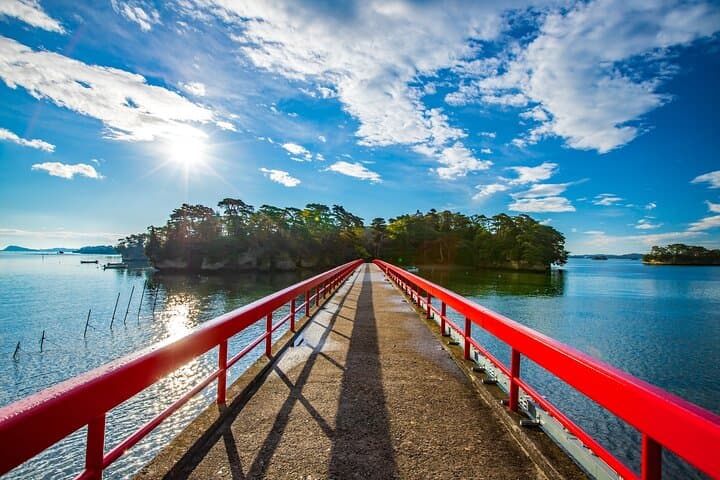
You arrive on a wind-bright morning and the bay opens like a scatter of inked islands—pines clinging to rock, gulls arguing over the tide, and a vermilion bridge that dares you to cross. The guide leads the group along seawalls and slender footbridges, voice steady against the slap of water, pointing out carved temple eaves and the quiet inlets where oyster lines ripple below the surface.
You arrive on a wind-bright morning and the bay opens like a scatter of inked islands—pines clinging to rock, gulls arguing over the tide, and a vermilion bridge that dares you to cross. The guide leads the group along seawalls and slender footbridges, voice steady against the slap of water, pointing out carved temple eaves and the quiet inlets where oyster lines ripple below the surface.
Matsushima is one of Japan's Nihon Sankei, praised by the haiku master Basho and shaped by a drowned ria coastline: sea-level rise carved narrow channels and left roughly 260 islets. Date Masamune later rebuilt key temples here, leaving behind lacquered gates and rock gardens—Zuigan-ji and Entsuin preserve centuries of cultural layering. The area’s working culture is visible in oyster racks and small fishing quays; local kitchens turn briny harvests into charcoal-grilled treats.
Expect easy-to-moderate walking on paved paths, stairs at temple complexes, and one or two narrow bridges without rails. The tour covers Fukuurajima (accessible by red bridge), Zuigan-ji, Entsuin, Oshima and Godaido across about a half-day of paced exploration. Wear grippy shoes for stone steps, bring layered rain protection, and plan for changing coastal winds. Photography windows open at low sun and on calm afternoons when the islands mirror themselves in the water. Guides add context—history, temple etiquette, and local food tips—so arrive curious and leave with a clear sense of place and a list of simple places to return to for oysters and quieter views.