THE ADVENTURE COLLECTIVE® · Independent discovery and booking for outdoor travel

Hike through coffee groves to the rushing Materuni Waterfalls, then learn traditional Chagga coffee roasting and share a home-cooked meal. This full-day trip pairs a short rainforest trek with cultural exchanges and a refreshing swim.
Hike through coffee groves to the rushing Materuni Waterfalls, then learn traditional Chagga coffee roasting and share a home-cooked meal. This full-day trip pairs a short rainforest trek with cultural exchanges and a refreshing swim.
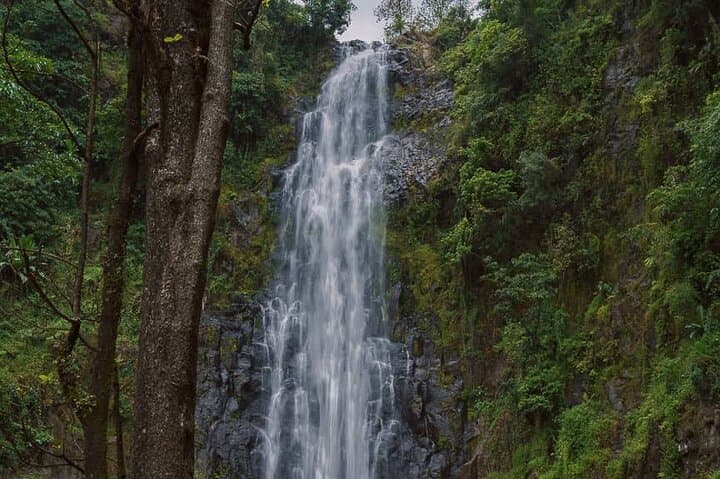
A narrow trail winds through humid coffee and banana plots, the air sharp with roasting beans and mist rising from the valley below. Hikers start near Materuni village on the lower slopes of Kilimanjaro; the path climbs through layered farmland until the thunder of Materuni Waterfalls fills the air and a carved pool waits at the base for a cool, sudden swim.
Verified experiences and guided adventures in the surrounding area.
Operated by Chamechamanaculturetourism · Moshi, Kilimanjaro Region
A narrow trail winds through humid coffee and banana plots, the air sharp with roasting beans and mist rising from the valley below. Hikers start near Materuni village on the lower slopes of Kilimanjaro; the path climbs through layered farmland until the thunder of Materuni Waterfalls fills the air and a carved pool waits at the base for a cool, sudden swim.
The route follows terrain shaped by volcanic activity and seasonal streams—old lava flows and rich volcanic soils feed dense montane forest and the Chagga’s terraced farms. Materuni is a living cultural landscape: the Chagga people have farmed these slopes for centuries, irrigating with spring-fed channels and roasting coffee over open flames. Naturalists will note forest birds and monkeys that move like punctuation between trees; the waterfall itself sits where softer rock gives way, sculpted over millennia.
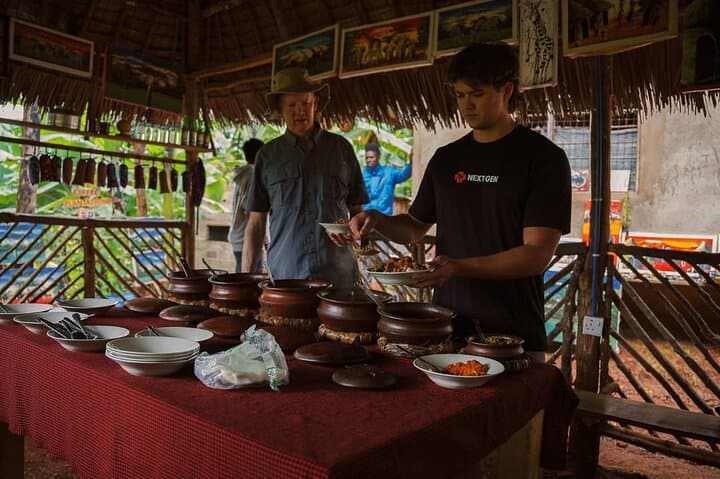
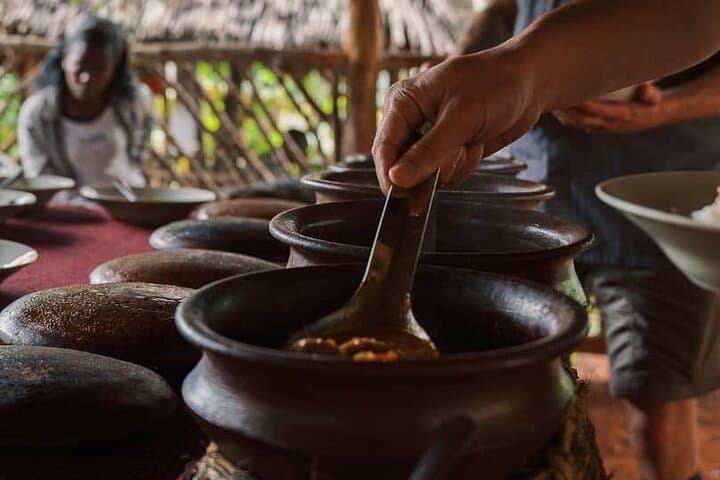
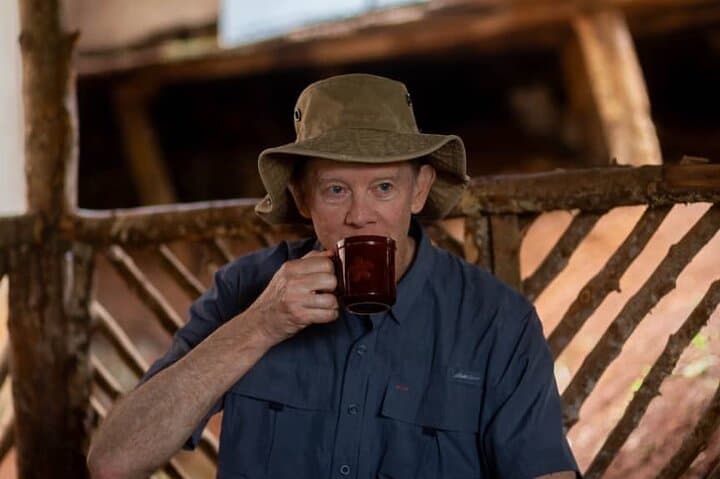
Expect a mix of shaded singletrack, planted rows, and short rocky scrambles; most groups spend one to two hours walking to the falls, followed by coffee demonstration and a home-cooked Chagga lunch. Practical notes: wear grippy shoes for muddy, uneven ground, carry 1–2 liters of water and insect repellent, and plan for changing weather—rain can arrive fast on the mountain’s flank. Guides lead conversations about local customs and invite guests to participate in the roasting and brewing process; be prepared to remove shoes when entering village homes and to decline photos if asked.
The tour blends active hiking with cultural immersion—an accessible day that rewards steady pace, respectful curiosity, and shoes you trust.
moderate.
Around 8 hours (full-day).
Suitable for travelers who can hike steady uphill for 1–2 hours with breaks; basic cardiovascular fitness recommended
Transport is included only if you select the transport option when booking; otherwise meet the guide at a designated pickup in Moshi or nearby points.
Yes—there is a natural pool suitable for a swim, but water depth varies seasonally and slippery rocks make cautious entry important.
Children in good health can join, but infants must sit on an adult’s lap; the hike involves uneven terrain and is not recommended for very young infants.
Local hosts can often accommodate common dietary restrictions if informed at booking; notify the operator ahead so they can prepare alternatives.
The Chagga established terraced agriculture on Kilimanjaro’s slopes centuries ago, transforming volcanic soils into productive coffee and banana plots that sustain village life.
Visitors are encouraged to stay on trails, avoid polluting the pool, and support local guides—the village relies on sustainable tourism revenues to maintain paths and protect forest patches.
Chamechamanaculturetourism operates guided outdoor trips and adventures with an emphasis on safety, stewardship, and memorable experiences.
A narrow trail winds through humid coffee and banana plots, the air sharp with roasting beans and mist rising from the valley below. Hikers start near Materuni village on the lower slopes of Kilimanjaro; the path climbs through layered farmland until the thunder of Materuni Waterfalls fills the air and a carved pool waits at the base for a cool, sudden swim.
A narrow trail winds through humid coffee and banana plots, the air sharp with roasting beans and mist rising from the valley below. Hikers start near Materuni village on the lower slopes of Kilimanjaro; the path climbs through layered farmland until the thunder of Materuni Waterfalls fills the air and a carved pool waits at the base for a cool, sudden swim.
The route follows terrain shaped by volcanic activity and seasonal streams—old lava flows and rich volcanic soils feed dense montane forest and the Chagga’s terraced farms. Materuni is a living cultural landscape: the Chagga people have farmed these slopes for centuries, irrigating with spring-fed channels and roasting coffee over open flames. Naturalists will note forest birds and monkeys that move like punctuation between trees; the waterfall itself sits where softer rock gives way, sculpted over millennia.
Expect a mix of shaded singletrack, planted rows, and short rocky scrambles; most groups spend one to two hours walking to the falls, followed by coffee demonstration and a home-cooked Chagga lunch. Practical notes: wear grippy shoes for muddy, uneven ground, carry 1–2 liters of water and insect repellent, and plan for changing weather—rain can arrive fast on the mountain’s flank. Guides lead conversations about local customs and invite guests to participate in the roasting and brewing process; be prepared to remove shoes when entering village homes and to decline photos if asked.
The tour blends active hiking with cultural immersion—an accessible day that rewards steady pace, respectful curiosity, and shoes you trust.