THE ADVENTURE COLLECTIVE® · Independent discovery and booking for outdoor travel

A full-day hike on Kilimanjaro’s eastern flank that pairs a verdant waterfall walk with a hands-on Chagga coffee experience. Perfect for travelers seeking cultural depth and a vigorous, scenic day out from Moshi.
A full-day hike on Kilimanjaro’s eastern flank that pairs a verdant waterfall walk with a hands-on Chagga coffee experience. Perfect for travelers seeking cultural depth and a vigorous, scenic day out from Moshi.
You step off the minivan with Kilimanjaro’s slopes folding upward behind you and a cool mountain stream threading the valley ahead. The trail to Materuni Waterfalls drops through farm terraces, banana groves and compact coffee plots; occasional bursts of birdsong and the hiss of water set a steady tempo as the path narrows toward the falls.
Verified experiences and guided adventures in the surrounding area.
Operated by Go With Me Photographic Safaris · Moshi, Kilimanjaro Region
You step off the minivan with Kilimanjaro’s slopes folding upward behind you and a cool mountain stream threading the valley ahead. The trail to Materuni Waterfalls drops through farm terraces, banana groves and compact coffee plots; occasional bursts of birdsong and the hiss of water set a steady tempo as the path narrows toward the falls.
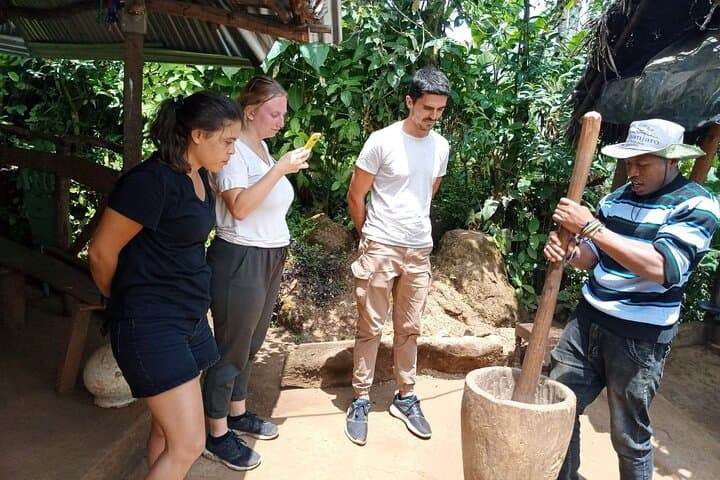
Geology here is young volcanic: streams drain the eastern flank of Kilimanjaro, carving steep channels through rich, red soil. The Chagga people have farmed these slopes for generations; the coffee ceremony you join is as much an oral history as it is a tasting—beans roasted over coals, ground by hand, brewed for conversation.
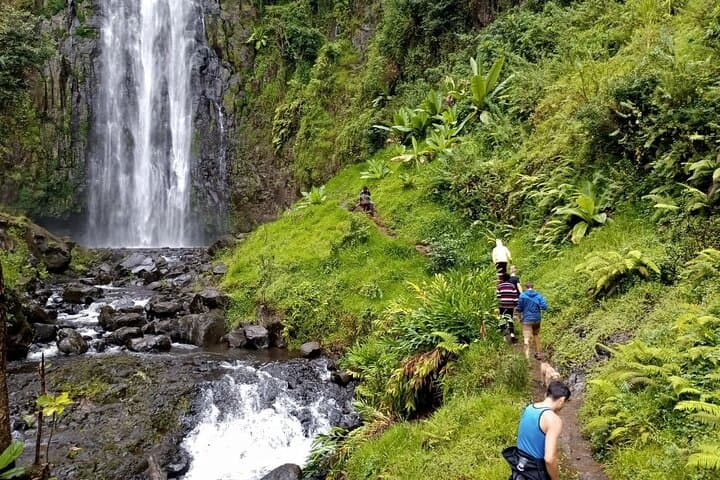
Expect a firm dirt trail with short steep sections and a few slippery roots near the waterfall pool. The main cascade plunges roughly 80–100 meters in tiers, and there are viewpoints above and below the plunge where moss and ferns hold moisture even in the dry season.
Practically: start early to avoid mid-day heat and heavy visitor traffic, wear grippy shoes and carry at least 1–1.5 liters of water. The tour typically includes transport from Moshi and park fees, and often culminates with a village coffee demo and local lunch. Photographers will find close-range shots at the pool and panoramic views back toward Moshi. Respect private plots—stay on the trail, ask before photographing people, and pack out any waste. This is a full-day outing best enjoyed at a steady pace, with moments set aside to savor both the waterfall’s force and the slow ritual of Tanzanian coffee.
moderate.
10–12 hours.
Suitable for moderately fit travelers who can walk 6–10 km over uneven terrain and manage short steep sections.
The walking portion varies with route but typically totals 2–4 km round trip across mixed terrain, wrapped into a full-day tour with transport and village activities.
Yes; the demonstration is family-friendly, but keep an eye around the hearth and open flames during roasting.
Most operators include transport from central Moshi lodgings or the airport—confirm pickup details when booking.
According to the listing, park fees, meals and drinking water are included; check confirmation for any last-minute changes.
The area is part of the Chagga homeland on Kilimanjaro’s eastern slopes; terraces and coffee plots reflect centuries of intensive smallholder agriculture and irrigation practice.
Visitors should stick to trails to limit erosion on volcanic soils; supporting local guides and buying village coffee helps sustain community-based tourism.
Go With Me Photographic Safaris operates guided outdoor trips and adventures with an emphasis on safety, stewardship, and memorable experiences.
You step off the minivan with Kilimanjaro’s slopes folding upward behind you and a cool mountain stream threading the valley ahead. The trail to Materuni Waterfalls drops through farm terraces, banana groves and compact coffee plots; occasional bursts of birdsong and the hiss of water set a steady tempo as the path narrows toward the falls.
You step off the minivan with Kilimanjaro’s slopes folding upward behind you and a cool mountain stream threading the valley ahead. The trail to Materuni Waterfalls drops through farm terraces, banana groves and compact coffee plots; occasional bursts of birdsong and the hiss of water set a steady tempo as the path narrows toward the falls.
Geology here is young volcanic: streams drain the eastern flank of Kilimanjaro, carving steep channels through rich, red soil. The Chagga people have farmed these slopes for generations; the coffee ceremony you join is as much an oral history as it is a tasting—beans roasted over coals, ground by hand, brewed for conversation.
Expect a firm dirt trail with short steep sections and a few slippery roots near the waterfall pool. The main cascade plunges roughly 80–100 meters in tiers, and there are viewpoints above and below the plunge where moss and ferns hold moisture even in the dry season.
Practically: start early to avoid mid-day heat and heavy visitor traffic, wear grippy shoes and carry at least 1–1.5 liters of water. The tour typically includes transport from Moshi and park fees, and often culminates with a village coffee demo and local lunch. Photographers will find close-range shots at the pool and panoramic views back toward Moshi. Respect private plots—stay on the trail, ask before photographing people, and pack out any waste. This is a full-day outing best enjoyed at a steady pace, with moments set aside to savor both the waterfall’s force and the slow ritual of Tanzanian coffee.