THE ADVENTURE COLLECTIVE® · Independent discovery and booking for outdoor travel

Walk through coffee terraces to a 70‑meter waterfall on Kilimanjaro’s lower slopes, then join Chagga-hosted coffee roasting and village songs. This 5–7 hour day trip mixes easy hiking with cultural encounters and panoramic views of Moshi and Kili.
Walk through coffee terraces to a 70‑meter waterfall on Kilimanjaro’s lower slopes, then join Chagga-hosted coffee roasting and village songs. This 5–7 hour day trip mixes easy hiking with cultural encounters and panoramic views of Moshi and Kili.
A cool mist greets you before the trees open and the falls reveal themselves — a 70‑meter ribbon of clear mountain water plunging into a rocky basin. At roughly 2,500 meters above sea level the trail to Materuni Waterfall winds through banana groves, coffee terraces and shaded footpaths, with intermittent views back toward Moshi and the snow‑capped shoulders of Mount Kilimanjaro.
Verified experiences and guided adventures in the surrounding area.
Operated by Kilimanjaro Safari Experience · Moshi, Kilimanjaro Region
A cool mist greets you before the trees open and the falls reveal themselves — a 70‑meter ribbon of clear mountain water plunging into a rocky basin. At roughly 2,500 meters above sea level the trail to Materuni Waterfall winds through banana groves, coffee terraces and shaded footpaths, with intermittent views back toward Moshi and the snow‑capped shoulders of Mount Kilimanjaro.
The village of Materuni sits on the slopes of Kilimanjaro inside the Chagga farming zone; terraces and stone walls built by generations shape the hillside and direct streams that feed the falls. Geologically, the waterfall drains volcanic highlands formed by ancient eruptions from Kilimanjaro and nearby cones — water here runs cold, clear and fast, fed by higher‑elevation springs.
Culturally the walk is as much about people as place. The Chagga people maintain coffee and banana cultivation using traditional methods; many local guides demonstrate hand‑roasting coffee, and optional tastings include home‑brewed banana beer and simple lunches served in village compounds.
Practical guidance: allow 5–7 hours for transport, walking and village time; the trail includes packed earth, roots and short steps — comfortable hiking shoes and a light rain layer are sensible. Bring water, insect repellent and a small daypack; the climb back can be steady but not technical. Photography is rewarding in the morning light; respect private plots and ask before photographing people. This day trip is accessible for most fitness levels and pairs scenic reward with cultural exchange — a compact way to feel Kilimanjaro’s lower slopes and Chagga hospitality in one outing.
easy.
5–7 hours.
Suitable for light to moderate fitness; able to walk 1–2 hours on uneven terrain with short elevation changes.
The trail from the village to the falls typically takes 30–60 minutes each way depending on pace and stops for viewpoints and coffee demos.
Yes — the route is non‑technical and commonly described as easy, though there are roots and steps; go at a comfortable pace and bring breaks for slower walkers.
Many day trips include bottled water, a coffee demonstration and a local lunch in the village; check your booking details for exact inclusions.
Yes — on clear days there are recurring views of Kilimanjaro and panoramic vistas toward Moshi from higher terrace points along the route.
Materuni village is part of the Chagga agricultural zone developed along Kilimanjaro’s slopes; stone terraces and irrigation channels reflect generations of terraced farming.
Stick to marked paths, avoid trampling coffee and banana plots, and pack out waste — local guides emphasize minimizing litter to protect springs that feed the falls.
Kilimanjaro Safari Experience operates guided outdoor trips and adventures with an emphasis on safety, stewardship, and memorable experiences.


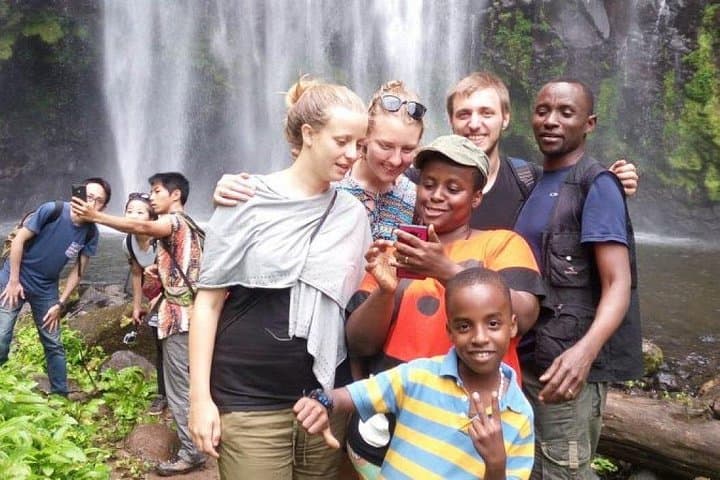

A cool mist greets you before the trees open and the falls reveal themselves — a 70‑meter ribbon of clear mountain water plunging into a rocky basin. At roughly 2,500 meters above sea level the trail to Materuni Waterfall winds through banana groves, coffee terraces and shaded footpaths, with intermittent views back toward Moshi and the snow‑capped shoulders of Mount Kilimanjaro.
A cool mist greets you before the trees open and the falls reveal themselves — a 70‑meter ribbon of clear mountain water plunging into a rocky basin. At roughly 2,500 meters above sea level the trail to Materuni Waterfall winds through banana groves, coffee terraces and shaded footpaths, with intermittent views back toward Moshi and the snow‑capped shoulders of Mount Kilimanjaro.
The village of Materuni sits on the slopes of Kilimanjaro inside the Chagga farming zone; terraces and stone walls built by generations shape the hillside and direct streams that feed the falls. Geologically, the waterfall drains volcanic highlands formed by ancient eruptions from Kilimanjaro and nearby cones — water here runs cold, clear and fast, fed by higher‑elevation springs.
Culturally the walk is as much about people as place. The Chagga people maintain coffee and banana cultivation using traditional methods; many local guides demonstrate hand‑roasting coffee, and optional tastings include home‑brewed banana beer and simple lunches served in village compounds.
Practical guidance: allow 5–7 hours for transport, walking and village time; the trail includes packed earth, roots and short steps — comfortable hiking shoes and a light rain layer are sensible. Bring water, insect repellent and a small daypack; the climb back can be steady but not technical. Photography is rewarding in the morning light; respect private plots and ask before photographing people. This day trip is accessible for most fitness levels and pairs scenic reward with cultural exchange — a compact way to feel Kilimanjaro’s lower slopes and Chagga hospitality in one outing.