THE ADVENTURE COLLECTIVE® · Independent discovery and booking for outdoor travel

A day hike from Moshi to Materuni Waterfalls threads through shaded coffee farms to a 50m cascade with a cold plunge pool. Combine a hands-on Chagga coffee tour, a village-cooked lunch and an easy but muddy hike for a full-day cultural and nature outing.
A day hike from Moshi to Materuni Waterfalls threads through shaded coffee farms to a 50m cascade with a cold plunge pool. Combine a hands-on Chagga coffee tour, a village-cooked lunch and an easy but muddy hike for a full-day cultural and nature outing.
You step off the dala dala into the red-earth lane and the air changes — sharper, green with coffee leaf and river spray. Materuni village sits on Kilimanjaro’s lower slopes; a short walk through shade-grown coffee plots and small farms leads to a 50-meter curtain of water dropping into a narrow plunge pool that dares you to wade in.
Verified experiences and guided adventures in the surrounding area.
Operated by Tanzania Joy Tours · Materuni, Kilimanjaro Region
You step off the dala dala into the red-earth lane and the air changes — sharper, green with coffee leaf and river spray. Materuni village sits on Kilimanjaro’s lower slopes; a short walk through shade-grown coffee plots and small farms leads to a 50-meter curtain of water dropping into a narrow plunge pool that dares you to wade in.
The falls sit on volcanic soils carved by seasonal streams, fed by rains on Kilimanjaro’s eastern flank. The Chagga people have farmed these slopes for generations; the local coffee tour before the hike offers a plain-language look at how beans move from hand to cup and how old stone terraces shaped settlement patterns.
Expect a mix of steep footsteps, muddy tracks and village lanes, with occasional views back toward Kili’s forested ridges. Geologically, you’ll cross colluvial soils and tufa-deposited streambeds — the water runs cold because it drains quickly from high elevation.
Practical guidance: set out early to avoid midday heat and crowded picnic spots. Wear grippy shoes (trail shoes or light boots), bring a small towel and a waterproof layer — weather on the slopes can flip fast. Local guides handle route-finding and arrange lunch with a family in the village; tipping for the guide and hosts is customary.
The afternoon after the swim is unhurried: a coffee cup roasted on a wood stove, conversation about crop cycles, then a gentle return to Moshi by private car or dala dala. This is a day that pairs simple culture, short technical hiking, and a refreshingly cold waterfall dip.
easy.
6–8 hours.
Suitable for most visitors who can walk short steep sections and uneven terrain; minimal aerobic strain required.
The hiking section from Materuni village to the falls is typically 30–60 minutes each way depending on pace and stops for the coffee tour.
Yes — visitors commonly swim in the cold plunge pool, but check with your guide about current flow and depth before entering.
Yes, dala dalas run between Materuni area and Moshi; many guests book a private car for comfort, or negotiate dala dala fare with the operator.
No special permits are required for Materuni Falls; standard travel documents for Tanzania apply and local guide fees/entrance are paid on-site or through the operator.
The Chagga people have farmed Kilimanjaro’s lower slopes for centuries; terraces and coffee cultivation shaped settlement and local trade with Moshi town.
Stick to marked paths, avoid littering and support local guides and family-run lunches to keep the economic benefits local and reduce pressure on surrounding forest.
Tanzania Joy Tours operates guided outdoor trips and adventures with an emphasis on safety, stewardship, and memorable experiences.

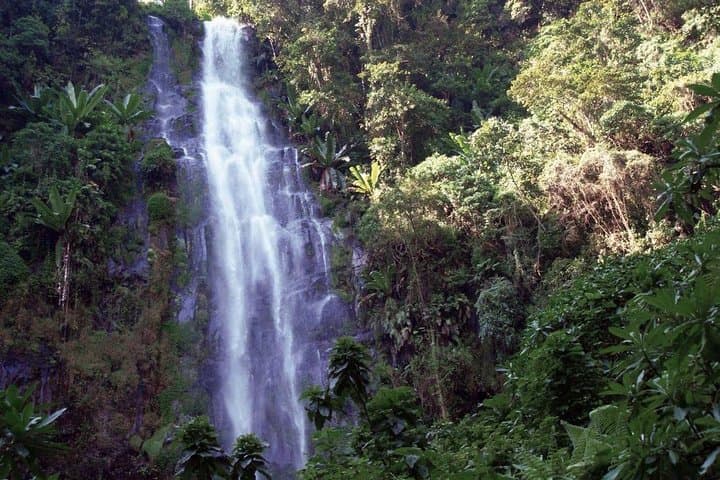


You step off the dala dala into the red-earth lane and the air changes — sharper, green with coffee leaf and river spray. Materuni village sits on Kilimanjaro’s lower slopes; a short walk through shade-grown coffee plots and small farms leads to a 50-meter curtain of water dropping into a narrow plunge pool that dares you to wade in.
You step off the dala dala into the red-earth lane and the air changes — sharper, green with coffee leaf and river spray. Materuni village sits on Kilimanjaro’s lower slopes; a short walk through shade-grown coffee plots and small farms leads to a 50-meter curtain of water dropping into a narrow plunge pool that dares you to wade in.
The falls sit on volcanic soils carved by seasonal streams, fed by rains on Kilimanjaro’s eastern flank. The Chagga people have farmed these slopes for generations; the local coffee tour before the hike offers a plain-language look at how beans move from hand to cup and how old stone terraces shaped settlement patterns.
Expect a mix of steep footsteps, muddy tracks and village lanes, with occasional views back toward Kili’s forested ridges. Geologically, you’ll cross colluvial soils and tufa-deposited streambeds — the water runs cold because it drains quickly from high elevation.
Practical guidance: set out early to avoid midday heat and crowded picnic spots. Wear grippy shoes (trail shoes or light boots), bring a small towel and a waterproof layer — weather on the slopes can flip fast. Local guides handle route-finding and arrange lunch with a family in the village; tipping for the guide and hosts is customary.
The afternoon after the swim is unhurried: a coffee cup roasted on a wood stove, conversation about crop cycles, then a gentle return to Moshi by private car or dala dala. This is a day that pairs simple culture, short technical hiking, and a refreshingly cold waterfall dip.