THE ADVENTURE COLLECTIVE® · Independent discovery and booking for outdoor travel

A private day trip from Arusha that combines a hands-on coffee plantation visit with a walk to the refreshing Materuni Waterfalls. Expect cultural exchange, a farm-to-cup coffee experience, and a dip in a cool mountain pool.
A private day trip from Arusha that combines a hands-on coffee plantation visit with a walk to the refreshing Materuni Waterfalls. Expect cultural exchange, a farm-to-cup coffee experience, and a dip in a cool mountain pool.
You step off the vehicle into warm, highland air and a chorus of birds—the slopes of Kilimanjaro pressing green and silent behind the village. Narrow farm tracks wind through coffee beds and banana stands; leaves whisper and the stream below calls you toward a cool pool. The waterfall waits, a drop of fresh mountain water daring you to soak the dust of travel away.
Verified experiences and guided adventures in the surrounding area.
Operated by African polecat safaris · Moshi, Kilimanjaro Region
You step off the vehicle into warm, highland air and a chorus of birds—the slopes of Kilimanjaro pressing green and silent behind the village. Narrow farm tracks wind through coffee beds and banana stands; leaves whisper and the stream below calls you toward a cool pool. The waterfall waits, a drop of fresh mountain water daring you to soak the dust of travel away.
Materuni sits in the shadow of Africa’s highest massif, shaped by volcanic soils and seasonal rains that make this corner of Tanzania peculiarly fertile. The village is Kichagga country, where smallholder agriculture and coffee culture have long structured daily life; locals usually process beans by hand, and you’ll see traditional roasting and pounding methods unchanged across generations.
Geology here is recent volcanic foothill—rich, well-draining soil and rocky outcrops that channel streams into plunging falls. Culture is hands-on: expect to participate in coffee preparation, sample fresh brews, and learn straightforward techniques from hosts who balance hospitality with farm work.
Practical guidance: the walk to the falls is uneven with short but sometimes steep sections—comfortable trekking shoes are recommended and bring layered clothing for changing sun and shade. Carry sunscreen, a refillable water bottle, and a small towel if you plan to swim. Timing matters: mornings are cooler and less crowded; long rains (Mar–May) make trails muddier and the falls fuller.
This is a day that pairs sensory detail—steam from a roasting pan, cold water on your calves—with clear logistics: a private vehicle transfer, a guided plantation walk, lunch, and return to Arusha by evening.
easy.
8–10 hours.
Light to moderate fitness; comfortable walking on uneven ground for up to an hour each way
The approach includes about 30–60 minutes of walking on uneven, sometimes steep trails depending on the route; guides set the pace for all ability levels.
Yes—most visitors swim in the pool below the falls, but check for seasonal currents and follow your guide’s safety advice.
No—coffee processing activities are hands-on and suitable for beginners; participation is optional and guided by locals.
Yes—private transfers are typically included from Arusha lodges; confirm pickup time and location when booking.
Materuni is part of the Chagga cultural landscape on Kilimanjaro’s slopes; coffee cultivation expanded here in the 19th and 20th centuries and remains central to local livelihoods.
Stick to marked paths, avoid single-use plastics, and support local enterprises—sustainable tourism keeps water sources and agroforestry productive for communities.
African polecat safaris operates guided outdoor trips and adventures with an emphasis on safety, stewardship, and memorable experiences.
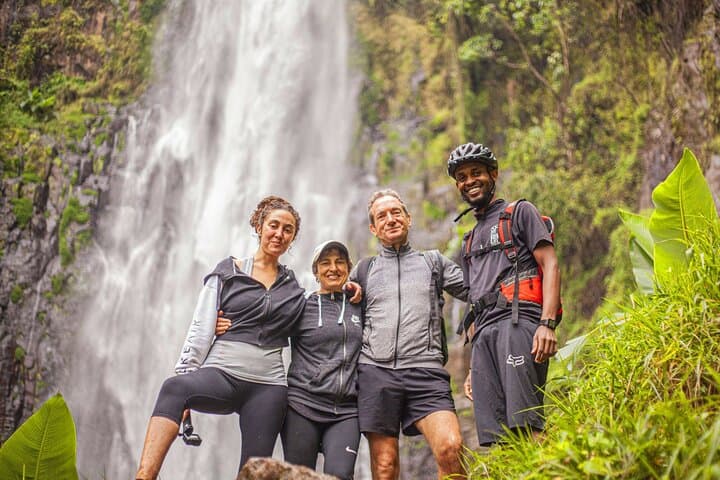
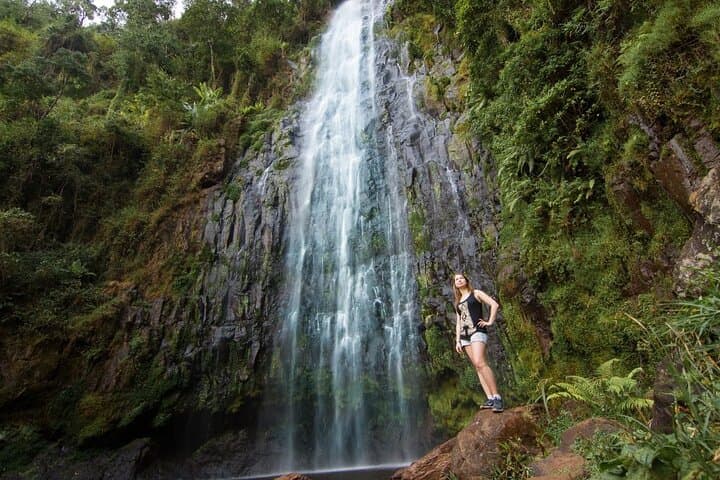
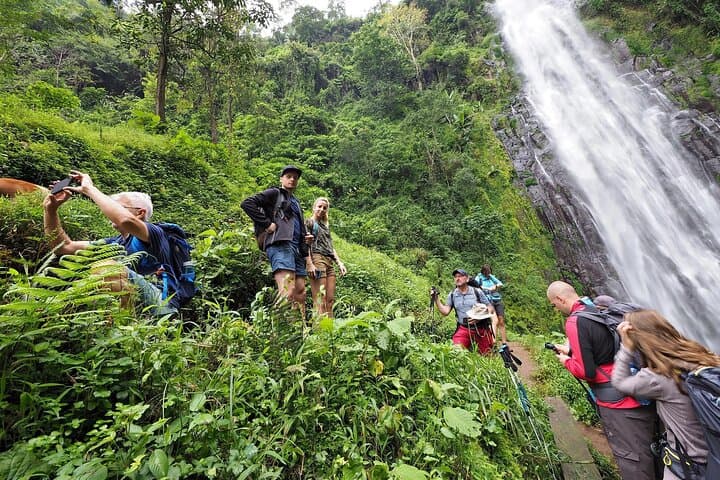
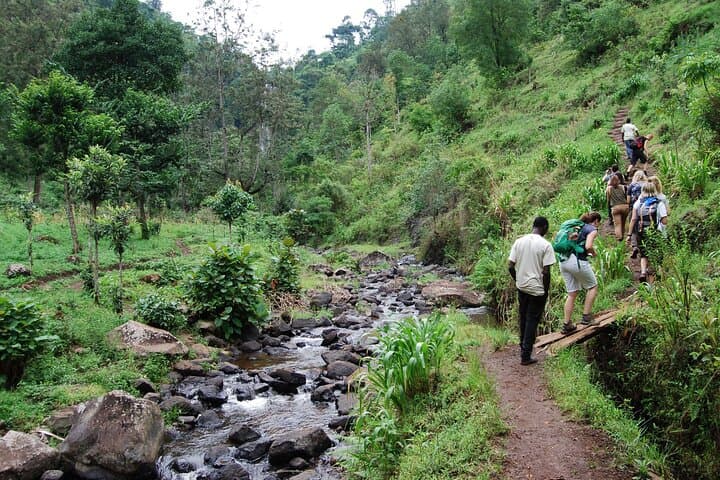
You step off the vehicle into warm, highland air and a chorus of birds—the slopes of Kilimanjaro pressing green and silent behind the village. Narrow farm tracks wind through coffee beds and banana stands; leaves whisper and the stream below calls you toward a cool pool. The waterfall waits, a drop of fresh mountain water daring you to soak the dust of travel away.
You step off the vehicle into warm, highland air and a chorus of birds—the slopes of Kilimanjaro pressing green and silent behind the village. Narrow farm tracks wind through coffee beds and banana stands; leaves whisper and the stream below calls you toward a cool pool. The waterfall waits, a drop of fresh mountain water daring you to soak the dust of travel away.
Materuni sits in the shadow of Africa’s highest massif, shaped by volcanic soils and seasonal rains that make this corner of Tanzania peculiarly fertile. The village is Kichagga country, where smallholder agriculture and coffee culture have long structured daily life; locals usually process beans by hand, and you’ll see traditional roasting and pounding methods unchanged across generations.
Geology here is recent volcanic foothill—rich, well-draining soil and rocky outcrops that channel streams into plunging falls. Culture is hands-on: expect to participate in coffee preparation, sample fresh brews, and learn straightforward techniques from hosts who balance hospitality with farm work.
Practical guidance: the walk to the falls is uneven with short but sometimes steep sections—comfortable trekking shoes are recommended and bring layered clothing for changing sun and shade. Carry sunscreen, a refillable water bottle, and a small towel if you plan to swim. Timing matters: mornings are cooler and less crowded; long rains (Mar–May) make trails muddier and the falls fuller.
This is a day that pairs sensory detail—steam from a roasting pan, cold water on your calves—with clear logistics: a private vehicle transfer, a guided plantation walk, lunch, and return to Arusha by evening.