THE ADVENTURE COLLECTIVE® · Independent discovery and booking for outdoor travel

Hike through Chagga farmland to a 90-meter waterfall, swim in mountain pools and join a hands-on traditional coffee ritual. This full-day tour from Moshi combines easy-to-moderate hiking with cultural immersion and scenic views of Mount Kilimanjaro.
Hike through Chagga farmland to a 90-meter waterfall, swim in mountain pools and join a hands-on traditional coffee ritual. This full-day tour from Moshi combines easy-to-moderate hiking with cultural immersion and scenic views of Mount Kilimanjaro.
The path opens on a cool, green slope below Kilimanjaro — banana farms and shaded footpaths lead you toward a sudden drop of water that throws itself down 90 meters. The first steps feel like a warm-up, the forest closing in and birds calling; the falls soon take over, spray on your face and a natural pool daring you to cool off.
Verified experiences and guided adventures in the surrounding area.
Operated by Miwaleni Travel · Moshi, Kilimanjaro Region
The path opens on a cool, green slope below Kilimanjaro — banana farms and shaded footpaths lead you toward a sudden drop of water that throws itself down 90 meters. The first steps feel like a warm-up, the forest closing in and birds calling; the falls soon take over, spray on your face and a natural pool daring you to cool off.
This one-day experience weaves a straightforward hike with Chagga village life. Materuni sits above 1,700 m, an agricultural community shaped by volcanic soils from Kilimanjaro’s long geologic story. The Chagga people have farmed these slopes for generations; coffee here is both an economic staple and a cultural ritual. Guides explain how coffee is grown, sun-dried and roasted by hand — you’ll even grind beans and taste the final cup amid song and dance.
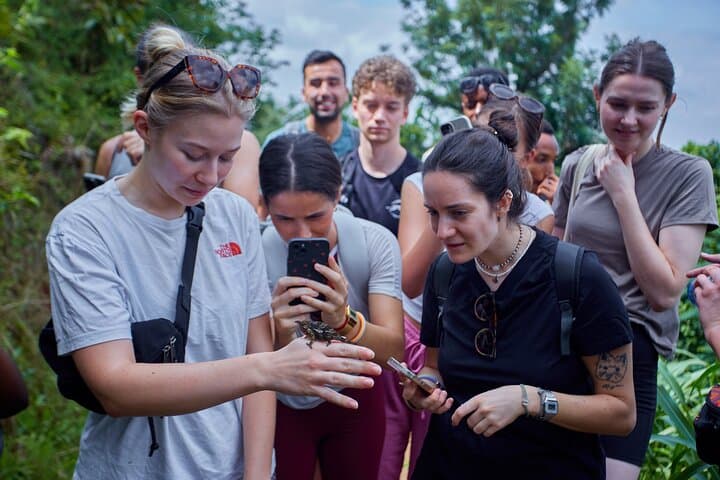
Geology shows in the terrain: volcanic basalt and rich loam create steep, terraced plots and a waterfall fed by mountain streams. Wildlife is small and present — chameleons, sunbirds and forest squirrels are common sights. Culturally, expect warm hospitality and practical local customs: remove shoes for some indoor areas and ask before photographing people.
Practical details: allow about nine hours round-trip from Moshi, with a roughly 40-minute descent to the falls over uneven trails and steps; swimming is possible in calm pools. Bring sturdy shoes, a light rain layer, at least 1–2 liters of water, and cash for small village purchases or tips. Start in the morning for the best light on Kilimanjaro and returning in cooler late afternoon traffic.
moderate.
9 hours.
Suitable for travelers with basic fitness — expect 40 minutes each way on uneven, sometimes steep terrain; short rests make this accessible to many.
The trail takes about 30–50 minutes one way depending on pace; terrain includes steps and uneven ground.
Yes — there are natural pools at the base of the falls suitable for a refreshing swim when conditions are calm.
Materuni sits around 1,700 m and can help with light acclimatization, but it’s not a substitute for the staged acclimatization required for a Kilimanjaro summit attempt.
Guides generally speak English and Swahili; tipping is appreciated for good service and is customary in Tanzania.
The Chagga people have farmed Kilimanjaro’s southern slopes for centuries, developing terraced agriculture and local coffee varieties tied to community rituals.
Stay on marked paths, avoid disturbing riparian vegetation, and support local guides and farms that practice shade-grown or smallholder coffee production.
Miwaleni Travel operates guided outdoor trips and adventures with an emphasis on safety, stewardship, and memorable experiences.
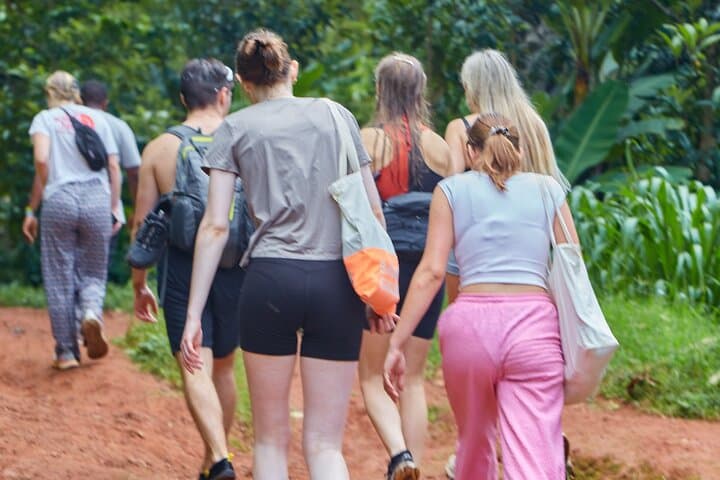
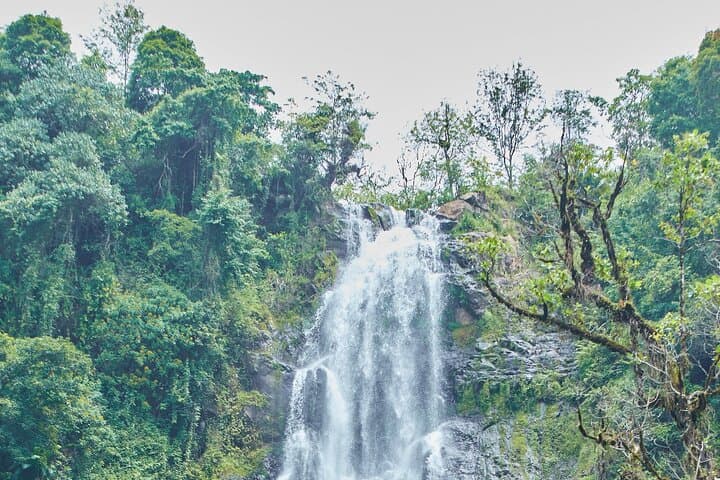
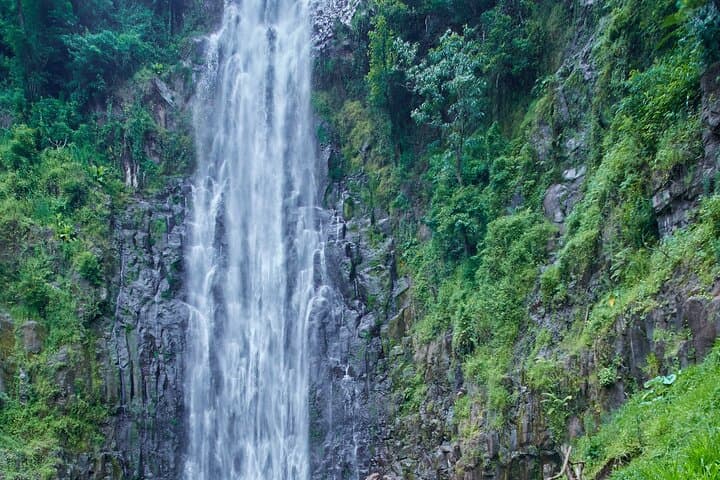
The path opens on a cool, green slope below Kilimanjaro — banana farms and shaded footpaths lead you toward a sudden drop of water that throws itself down 90 meters. The first steps feel like a warm-up, the forest closing in and birds calling; the falls soon take over, spray on your face and a natural pool daring you to cool off.
The path opens on a cool, green slope below Kilimanjaro — banana farms and shaded footpaths lead you toward a sudden drop of water that throws itself down 90 meters. The first steps feel like a warm-up, the forest closing in and birds calling; the falls soon take over, spray on your face and a natural pool daring you to cool off.
This one-day experience weaves a straightforward hike with Chagga village life. Materuni sits above 1,700 m, an agricultural community shaped by volcanic soils from Kilimanjaro’s long geologic story. The Chagga people have farmed these slopes for generations; coffee here is both an economic staple and a cultural ritual. Guides explain how coffee is grown, sun-dried and roasted by hand — you’ll even grind beans and taste the final cup amid song and dance.
Geology shows in the terrain: volcanic basalt and rich loam create steep, terraced plots and a waterfall fed by mountain streams. Wildlife is small and present — chameleons, sunbirds and forest squirrels are common sights. Culturally, expect warm hospitality and practical local customs: remove shoes for some indoor areas and ask before photographing people.
Practical details: allow about nine hours round-trip from Moshi, with a roughly 40-minute descent to the falls over uneven trails and steps; swimming is possible in calm pools. Bring sturdy shoes, a light rain layer, at least 1–2 liters of water, and cash for small village purchases or tips. Start in the morning for the best light on Kilimanjaro and returning in cooler late afternoon traffic.