THE ADVENTURE COLLECTIVE® · Independent discovery and booking for outdoor travel

Spend a day mixing short hikes, a village coffee experience, and a relaxing swim in natural hot springs near Kilimanjaro. This accessible day trip from Moshi or Arusha combines culture, geology, and clear-water swimming.
Spend a day mixing short hikes, a village coffee experience, and a relaxing swim in natural hot springs near Kilimanjaro. This accessible day trip from Moshi or Arusha combines culture, geology, and clear-water swimming.
You step off the minivan into humid air that smells of wet earth and roasted beans; the Kilimanjaro foothills rise green and abrupt, and the path ahead threads through banana terraces and fig trees. Materuni Waterfalls begins as a narrow creek that soon finds muscle and falls—water daring you closer, mist brushing your face as basalt and volcanic soils shape the cascade.
Verified experiences and guided adventures in the surrounding area.
Operated by Africa Outland Tours · Moshi, Kilimanjaro
You step off the minivan into humid air that smells of wet earth and roasted beans; the Kilimanjaro foothills rise green and abrupt, and the path ahead threads through banana terraces and fig trees. Materuni Waterfalls begins as a narrow creek that soon finds muscle and falls—water daring you closer, mist brushing your face as basalt and volcanic soils shape the cascade.
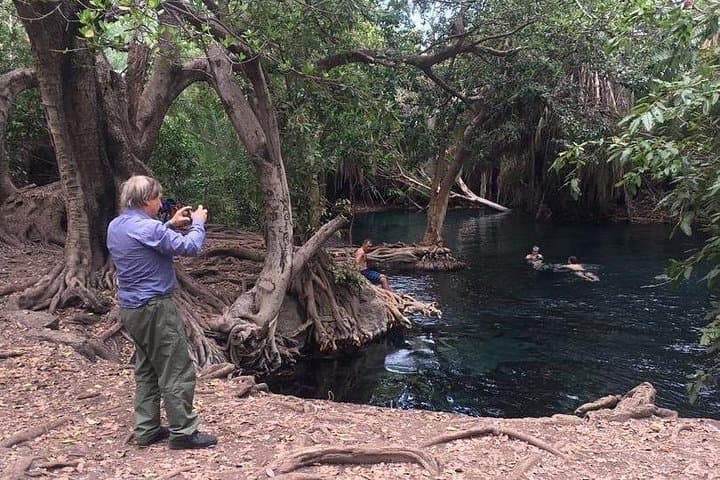
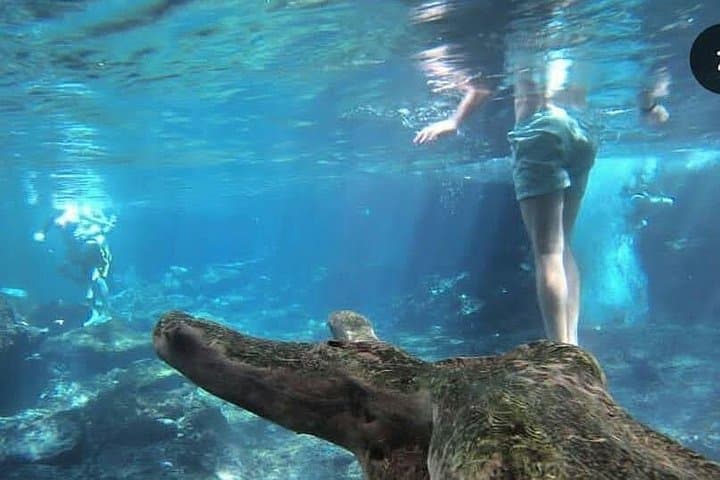
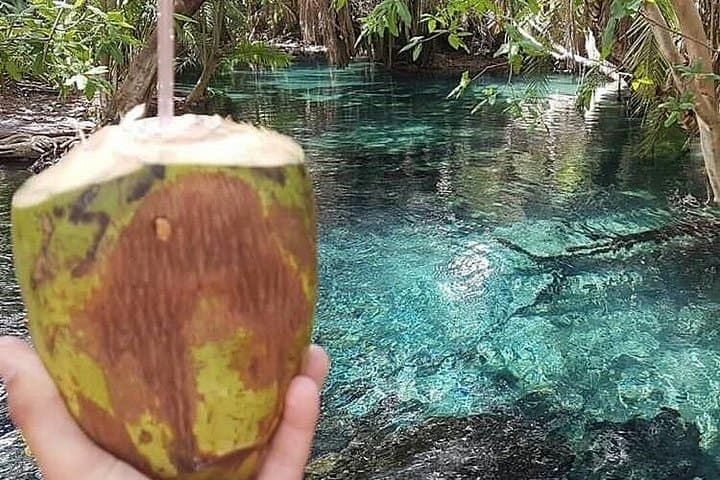
The ride from Moshi or Arusha folds through Chagga farmland shaped by centuries of terracing and coffee cultivation. Geologically the area sits on volcanic deposits from the greater Kilimanjaro massif; porous lava and springs feed underground streams that surface at Kikuletwa (Chemka), where warm, mineral-rich pools shimmer in a semi-arid plain.
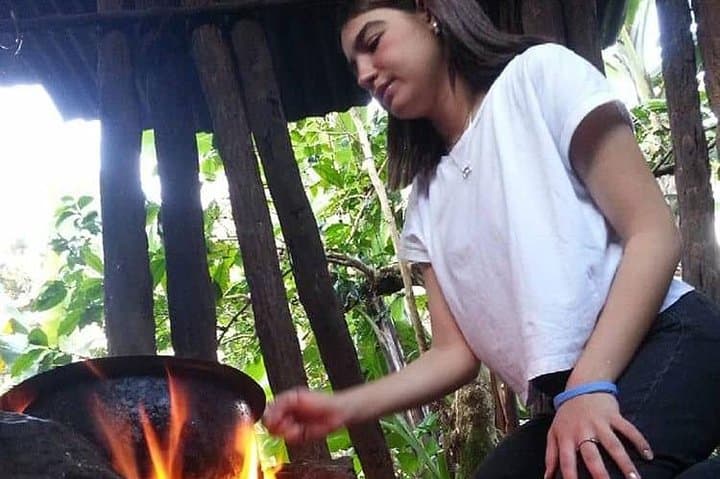
Culturally, the itinerary pairs a short village coffee tour—learn how Chagga farmers ferment, dry, and roast beans—with a hike to the falls and a cooling swim at the springs. Guides are local and often explain cropping cycles and the cooperative model that supports Materuni village.
Practical guidance: expect 6–8 hours door-to-door, with a 30–60 minute uphill hike on uneven, often slick terrain to the viewing and swim spots. Bring sturdy shoes, a swim kit, and cash for small purchases at the village. The springs are fragile—avoid soaps and sit on designated banks. Timing matters: mornings are cooler and the light on the falls is best for photos; late rainy-season rivers swell and make crossings trickier.
This is a compact, varied day—part culture, part hike, part water-play—ideal for travelers who want a manageable outdoor day after a safari or before a climb.
moderate.
6–8 hours.
Good for most travelers who can handle a 30–60 minute uphill walk on uneven ground and several flights of steps.
The uphill walk to the falls typically takes 30–60 minutes depending on pace and fitness; paths are narrow and may be muddy after rain.
Yes—there are clear, shallow pools suitable for swimming; avoid soap and detergents to protect the spring.
Bring small Tanzanian shillings for village purchases, tips, and any extras—card acceptance is limited in local spots.
The tour notes accessibility for many visitors, but the waterfall approach includes steps and uneven ground; children and those with limited mobility should consider staying at viewpoint areas instead of the lower falls.
The Chagga communities around Materuni have cultivated coffee and terraced slopes for centuries; their cooperative model drives much of the village tourism economy.
Visitors are urged to minimize impact—avoid soaps in natural pools, stick to marked paths, and support local cooperatives to encourage sustainable practices.
Africa Outland Tours operates guided outdoor trips and adventures with an emphasis on safety, stewardship, and memorable experiences.
You step off the minivan into humid air that smells of wet earth and roasted beans; the Kilimanjaro foothills rise green and abrupt, and the path ahead threads through banana terraces and fig trees. Materuni Waterfalls begins as a narrow creek that soon finds muscle and falls—water daring you closer, mist brushing your face as basalt and volcanic soils shape the cascade.
You step off the minivan into humid air that smells of wet earth and roasted beans; the Kilimanjaro foothills rise green and abrupt, and the path ahead threads through banana terraces and fig trees. Materuni Waterfalls begins as a narrow creek that soon finds muscle and falls—water daring you closer, mist brushing your face as basalt and volcanic soils shape the cascade.
The ride from Moshi or Arusha folds through Chagga farmland shaped by centuries of terracing and coffee cultivation. Geologically the area sits on volcanic deposits from the greater Kilimanjaro massif; porous lava and springs feed underground streams that surface at Kikuletwa (Chemka), where warm, mineral-rich pools shimmer in a semi-arid plain.
Culturally, the itinerary pairs a short village coffee tour—learn how Chagga farmers ferment, dry, and roast beans—with a hike to the falls and a cooling swim at the springs. Guides are local and often explain cropping cycles and the cooperative model that supports Materuni village.
Practical guidance: expect 6–8 hours door-to-door, with a 30–60 minute uphill hike on uneven, often slick terrain to the viewing and swim spots. Bring sturdy shoes, a swim kit, and cash for small purchases at the village. The springs are fragile—avoid soaps and sit on designated banks. Timing matters: mornings are cooler and the light on the falls is best for photos; late rainy-season rivers swell and make crossings trickier.
This is a compact, varied day—part culture, part hike, part water-play—ideal for travelers who want a manageable outdoor day after a safari or before a climb.