THE ADVENTURE COLLECTIVE® · Independent discovery and booking for outdoor travel

Spend a full day on Kilimanjaro’s southern slopes: a rainforest hike to an 80‑meter waterfall, a Chagga coffee immersion in Materuni village, and a relaxing swim at Kikuletwa (Chemka) Hot Springs. Practical, cultural, and naturally refreshing.
Spend a full day on Kilimanjaro’s southern slopes: a rainforest hike to an 80‑meter waterfall, a Chagga coffee immersion in Materuni village, and a relaxing swim at Kikuletwa (Chemka) Hot Springs. Practical, cultural, and naturally refreshing.
A thin mist clings to the rainforest as you leave Moshi's low hum behind and climb toward the slopes of Kilimanjaro. The path to Materuni threads between banana terraces and coffee plots; birds call from the canopy and, if the sky is clear, the mountain’s summit looms like a cold promise above the village. The trail dips and rises for about 40 minutes before the falls come into view—an 80‑meter drop that sends a cool spray to meet you at the pool below.
Verified experiences and guided adventures in the surrounding area.
Operated by safari soles tours · Moshi, Kilimanjaro Region
A thin mist clings to the rainforest as you leave Moshi's low hum behind and climb toward the slopes of Kilimanjaro. The path to Materuni threads between banana terraces and coffee plots; birds call from the canopy and, if the sky is clear, the mountain’s summit looms like a cold promise above the village. The trail dips and rises for about 40 minutes before the falls come into view—an 80‑meter drop that sends a cool spray to meet you at the pool below.
The Chagga people have farmed these slopes for generations, shaping the land into narrow terraces and making coffee and banana beer central to daily life. Geologically the terrain is volcanic—rich, porous soils drain quickly, which is why streams can swell suddenly during rains and why the falls carve steep channels down the mountain’s flanks.
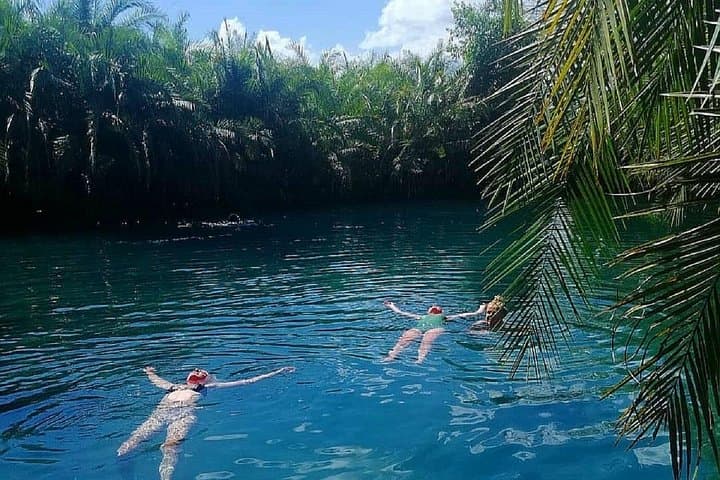
Your visit mixes a short rainforest hike with a hands‑on coffee demonstration: picking, drying, roasting and grinding that connects a mug to the farm it came from. Later you’ll board a drive across undulating farmland toward Kikuletwa (Chemka) Hot Springs, where clear mineral pools and a rope swing invite a late‑afternoon dip.
Practical notes: the waterfall trail becomes muddy and slippery after rain—sturdy shoes and trekking poles help. Bring swimwear and a towel, sun protection for the hot springs, and cash for small purchases. Expect a full‑day outing (typical pick‑up in Moshi or Arusha), moderate walking, and a steady rhythm of learning, cooling, and local food—best taken with respect for village customs and the steady pace of rural Tanzania.
moderate.
10–12 hours.
Good for travelers who can walk 40–60 minutes on uneven terrain and handle stairs/streams; able to swim in calm pools.
The hike from the village is typically 30–45 minutes each way on a single‑track trail with modest elevation change; pace varies with conditions.
Possibly—clear morning or late afternoon skies improve visibility, but cloud cover is common and visibility can't be guaranteed.
Pools are popular and generally safe for confident swimmers; supervise children, avoid strong undercurrents near cascades, and heed guides' advice.
Private transport is included; most operators offer hotel pickup in Moshi or Arusha—confirm your pickup point when booking.
The Chagga people have cultivated coffee and bananas on Kilimanjaro’s foothills for centuries, shaping terrace agriculture and local brewing traditions.
Stick to marked trails to limit erosion and avoid single‑use plastics; community tourism supports local conservation and livelihoods.
safari soles tours operates guided outdoor trips and adventures with an emphasis on safety, stewardship, and memorable experiences.
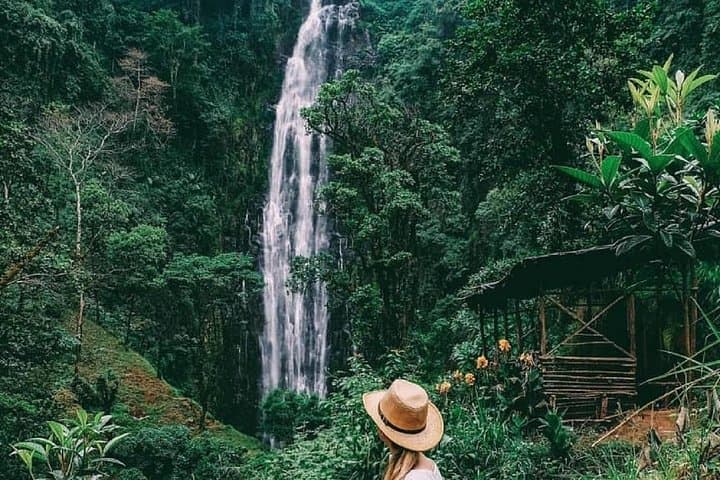
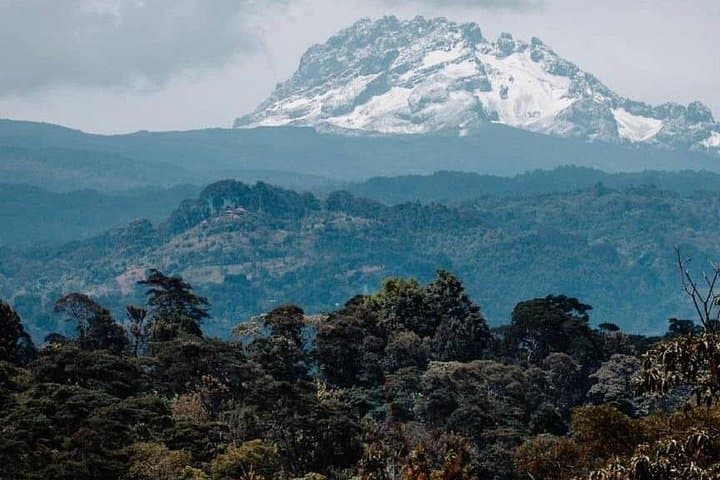

A thin mist clings to the rainforest as you leave Moshi's low hum behind and climb toward the slopes of Kilimanjaro. The path to Materuni threads between banana terraces and coffee plots; birds call from the canopy and, if the sky is clear, the mountain’s summit looms like a cold promise above the village. The trail dips and rises for about 40 minutes before the falls come into view—an 80‑meter drop that sends a cool spray to meet you at the pool below.
A thin mist clings to the rainforest as you leave Moshi's low hum behind and climb toward the slopes of Kilimanjaro. The path to Materuni threads between banana terraces and coffee plots; birds call from the canopy and, if the sky is clear, the mountain’s summit looms like a cold promise above the village. The trail dips and rises for about 40 minutes before the falls come into view—an 80‑meter drop that sends a cool spray to meet you at the pool below.
The Chagga people have farmed these slopes for generations, shaping the land into narrow terraces and making coffee and banana beer central to daily life. Geologically the terrain is volcanic—rich, porous soils drain quickly, which is why streams can swell suddenly during rains and why the falls carve steep channels down the mountain’s flanks.
Your visit mixes a short rainforest hike with a hands‑on coffee demonstration: picking, drying, roasting and grinding that connects a mug to the farm it came from. Later you’ll board a drive across undulating farmland toward Kikuletwa (Chemka) Hot Springs, where clear mineral pools and a rope swing invite a late‑afternoon dip.
Practical notes: the waterfall trail becomes muddy and slippery after rain—sturdy shoes and trekking poles help. Bring swimwear and a towel, sun protection for the hot springs, and cash for small purchases. Expect a full‑day outing (typical pick‑up in Moshi or Arusha), moderate walking, and a steady rhythm of learning, cooling, and local food—best taken with respect for village customs and the steady pace of rural Tanzania.