THE ADVENTURE COLLECTIVE® · Independent discovery and booking for outdoor travel

A short rainforest hike leads to a 90m cascade, then to hands-on Chagga coffee processing and a local lunch. Ideal for travelers who want active nature, cultural exchange, and a swim in a natural pool.
A short rainforest hike leads to a 90m cascade, then to hands-on Chagga coffee processing and a local lunch. Ideal for travelers who want active nature, cultural exchange, and a swim in a natural pool.
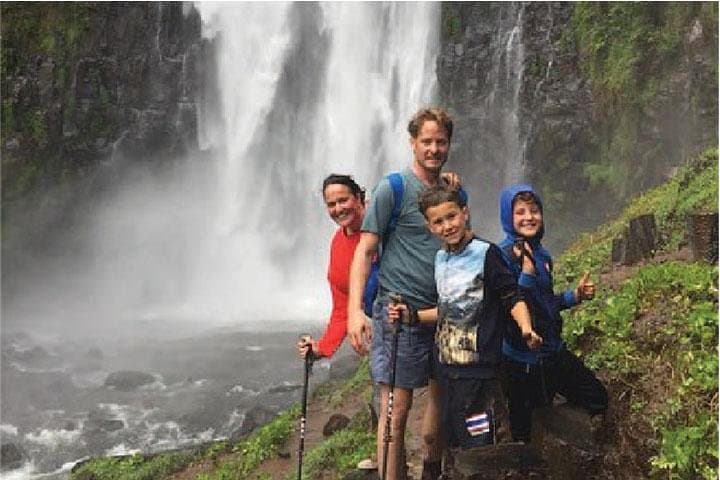
Fog lifts off Kilimanjaro’s lower slopes and you step onto a footpath that threads through banana terraces and coffee trees, the air heavy with roast and earth. The trail climbs steadily; green walls close in, bird calls punctuate the humidity, and the distant roar of water draws you toward Materuni Waterfall.
Verified experiences and guided adventures in the surrounding area.
Operated by Budget Safaris Tanzania · Materuni (Moshi), Kilimanjaro Region
Fog lifts off Kilimanjaro’s lower slopes and you step onto a footpath that threads through banana terraces and coffee trees, the air heavy with roast and earth. The trail climbs steadily; green walls close in, bird calls punctuate the humidity, and the distant roar of water draws you toward Materuni Waterfall.
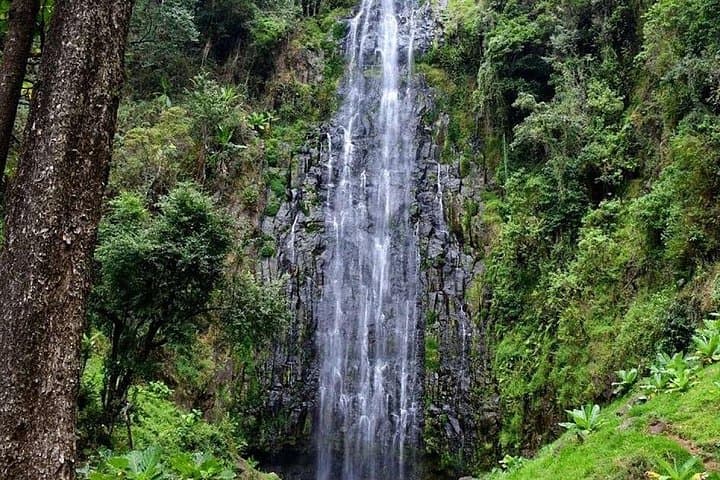
The falls tumble roughly 90 meters down volcanic escarpments carved by ancient lava flows and heavy rains. Materuni Village sits on ancestral Chagga land—an agricultural culture that has shaped the terraces and irrigation channels you’ll see. Coffee here is not an export abstraction but daily craft: the Arabica shrubs are tended by families, processed by hand, and roasted over open flames in the same way for generations.
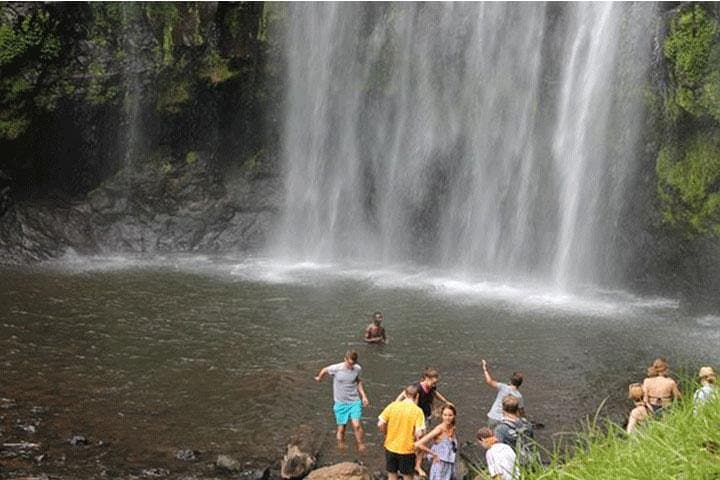
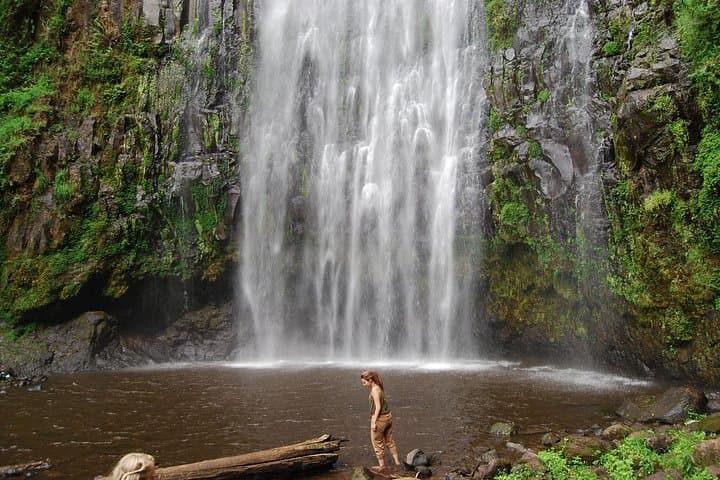
Expect a lively 30–45 minute climb on uneven, often muddy rainforest trail to a natural pool beneath the cascade, where swimming is common when flows are moderate. After the hike, a farm visit offers guided hands-on coffee processing—harvest, pound, roast and brew—followed by a homemade Chagga lunch served in a family compound.
Practicals: arrive in sturdy, grippy shoes and a light rain jacket; trails turn slick when wet. Carry a small dry bag for electronics and a refillable bottle—the guide typically provides water but refill options are limited. Morning departures give better light and cooler hiking temps; mid-afternoon is best for a warm-spring soak at Kikuletwa later in the day. Respect village customs: ask before photographing people, and pack out any trash. With a mix of culture, geology and active hiking, this tour is compact, sensory, and straightforward to prepare for.
moderate.
4–6 hours.
Moderate fitness—comfortable walking, stair-like climbs and uneven footing for up to 45 minutes.
The main approach is about 30–45 minutes uphill on a forest trail; pace depends on fitness and trail conditions.
Swimming is common in the natural pool when flows are moderate—always check with your guide about current conditions before entering the water.
Yes—small local purchases, tips, or village crafts are typically cash-only; bring Tanzanian shillings in small denominations.
Most family groups participate; the trail can be steep and slippery, so assess mobility and request a gentler pace if needed.
Materuni Village is part of the Chagga cultural zone on Kilimanjaro’s southern slopes; residents have farmed the rich volcanic soils for generations, shaping terraces and water channels.
Stick to marked trails and pack out all waste; responsible tourism supports local conservation and provides income alternatives to deforestation.
Budget Safaris Tanzania operates guided outdoor trips and adventures with an emphasis on safety, stewardship, and memorable experiences.
Fog lifts off Kilimanjaro’s lower slopes and you step onto a footpath that threads through banana terraces and coffee trees, the air heavy with roast and earth. The trail climbs steadily; green walls close in, bird calls punctuate the humidity, and the distant roar of water draws you toward Materuni Waterfall.
Fog lifts off Kilimanjaro’s lower slopes and you step onto a footpath that threads through banana terraces and coffee trees, the air heavy with roast and earth. The trail climbs steadily; green walls close in, bird calls punctuate the humidity, and the distant roar of water draws you toward Materuni Waterfall.
The falls tumble roughly 90 meters down volcanic escarpments carved by ancient lava flows and heavy rains. Materuni Village sits on ancestral Chagga land—an agricultural culture that has shaped the terraces and irrigation channels you’ll see. Coffee here is not an export abstraction but daily craft: the Arabica shrubs are tended by families, processed by hand, and roasted over open flames in the same way for generations.
Expect a lively 30–45 minute climb on uneven, often muddy rainforest trail to a natural pool beneath the cascade, where swimming is common when flows are moderate. After the hike, a farm visit offers guided hands-on coffee processing—harvest, pound, roast and brew—followed by a homemade Chagga lunch served in a family compound.
Practicals: arrive in sturdy, grippy shoes and a light rain jacket; trails turn slick when wet. Carry a small dry bag for electronics and a refillable bottle—the guide typically provides water but refill options are limited. Morning departures give better light and cooler hiking temps; mid-afternoon is best for a warm-spring soak at Kikuletwa later in the day. Respect village customs: ask before photographing people, and pack out any trash. With a mix of culture, geology and active hiking, this tour is compact, sensory, and straightforward to prepare for.