
Materuni Waterfalls & Coffee Tour From Moshi — Hike, Taste, and Village Culture
A full-day from Moshi that pairs a 1–2 hour hike to Kilimanjaro’s cascading Materuni Waterfall with a hands-on Chagga coffee demonstration. Expect forested trails, steep stone steps, and a village lunch.
An Adventure In Moshi.
A full-day from Moshi that pairs a 1–2 hour hike to Kilimanjaro’s cascading Materuni Waterfall with a hands-on Chagga coffee demonstration. Expect forested trails, steep stone steps, and a village lunch.
Read the full experience
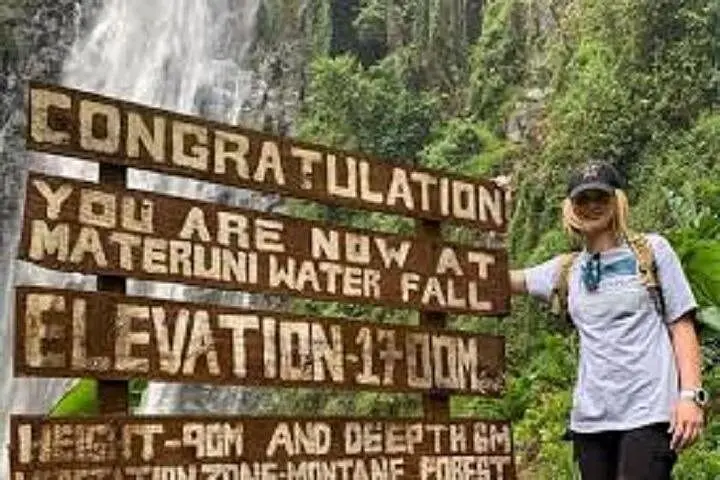
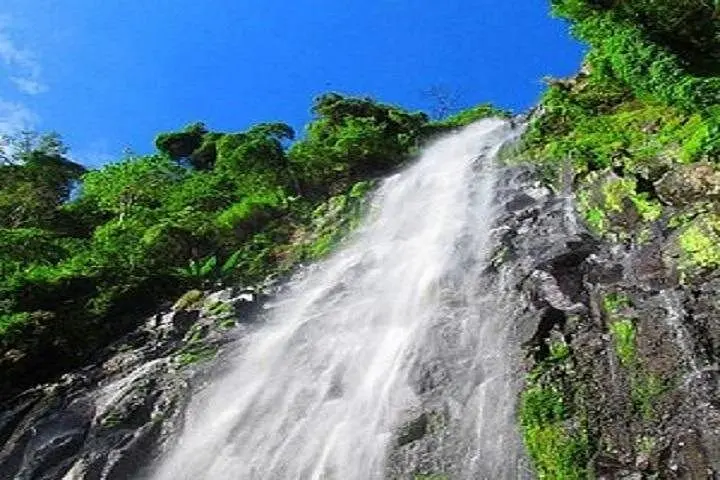
You step off the minivan into a cool, green pocket beneath Kilimanjaro’s lower slopes: humidity clings to moss and the road’s dust gives way to a narrow footpath. The cascade ahead speaks first—water carving a path through volcanic rock, daring you down the gorge.
You step off the minivan into a cool, green pocket beneath Kilimanjaro’s lower slopes: humidity clings to moss and the road’s dust gives way to a narrow footpath. The cascade ahead speaks first—water carving a path through volcanic rock, daring you down the gorge.
Materuni sits on the Chagga highlands, a landscape shaped by lava flows and centuries of terrace farming. The Chagga people have tended coffee and bananas here for generations; their knowledge of processing beans is part agricultural science, part living culture. Geologically, the waterfall drains the southern flanks of Kilimanjaro’s basaltic ridges, producing the clear pools that make the hike worth the effort.
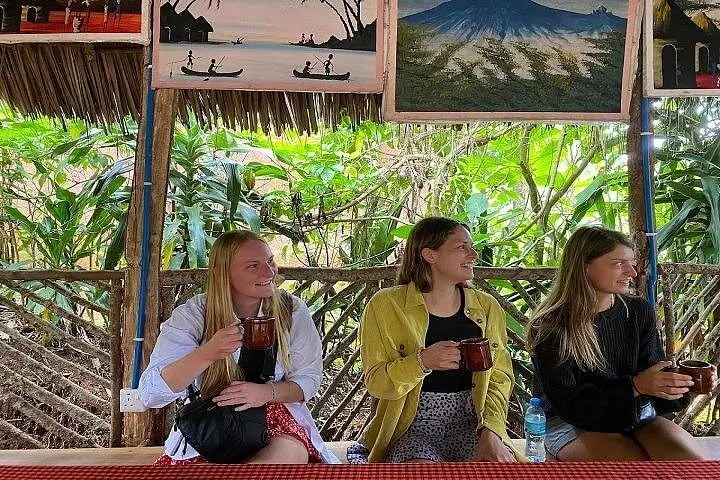
Expect a village coffee demo that covers picking, washing, roasting and a tasting that highlights acidic, floral notes from high-elevation arabica. The waterfall hike follows shaded paths and stone steps through farmland and montane forest—ferns brush your legs, sunbirds flit overhead, and the trail narrows where the forest presses in.
Practical edge: the full experience runs a typical Moshi-day schedule—roughly 8 hours door-to-door. Trails are uneven, muddy after rains, and include short steep sections; sturdy footwear and a reusable water bottle matter more than technical gear. Start early for cooler temperatures, bring insect repellent and modest clothing for village visits, and plan to support local guides—the tour funnels direct fees to community hosts. Photographs are abundant, but take time to listen: the falls are noisy and insist on a pause.
Frequently asked questions
The guided walk to the falls and back typically takes about 1–2 hours depending on pace and time spent at viewpoints.
Yes—guides report the route as accessible for a wide range of ages, though those with limited mobility should expect uneven steps and short steep stretches.
Modest, comfortable clothing that covers shoulders and knees is respectful; closed-toe shoes are recommended for farm paths.
Most operators include hotel or town pickup and return; confirm your pickup point and any additional transfer fees at booking.
About This Experience
AFRICA NATURAL TOURS operates guided outdoor trips and adventures with an emphasis on safety, stewardship, and memorable experiences.
Adventure tips
Recommended gear
- Sturdy hiking shoes: Provides traction on wet stone steps and uneven footpaths to the waterfall.
- Reusable water bottle (1–2 L): Hydration for the hike and village activities; refillable bottles reduce waste.
- Light rain jacket or poncho: Short tropical showers can begin suddenly on Kilimanjaro’s foothills, so pack a quick layer.
- Small daypack: Carries water, snacks, camera, and a modest change of clothes for the cultural visit.
Photos of the experience

Related adventures & guides
Read the full experience
You step off the minivan into a cool, green pocket beneath Kilimanjaro’s lower slopes: humidity clings to moss and the road’s dust gives way to a narrow footpath. The cascade ahead speaks first—water carving a path through volcanic rock, daring you down the gorge.
You step off the minivan into a cool, green pocket beneath Kilimanjaro’s lower slopes: humidity clings to moss and the road’s dust gives way to a narrow footpath. The cascade ahead speaks first—water carving a path through volcanic rock, daring you down the gorge.
Materuni sits on the Chagga highlands, a landscape shaped by lava flows and centuries of terrace farming. The Chagga people have tended coffee and bananas here for generations; their knowledge of processing beans is part agricultural science, part living culture. Geologically, the waterfall drains the southern flanks of Kilimanjaro’s basaltic ridges, producing the clear pools that make the hike worth the effort.
Expect a village coffee demo that covers picking, washing, roasting and a tasting that highlights acidic, floral notes from high-elevation arabica. The waterfall hike follows shaded paths and stone steps through farmland and montane forest—ferns brush your legs, sunbirds flit overhead, and the trail narrows where the forest presses in.
Practical edge: the full experience runs a typical Moshi-day schedule—roughly 8 hours door-to-door. Trails are uneven, muddy after rains, and include short steep sections; sturdy footwear and a reusable water bottle matter more than technical gear. Start early for cooler temperatures, bring insect repellent and modest clothing for village visits, and plan to support local guides—the tour funnels direct fees to community hosts. Photographs are abundant, but take time to listen: the falls are noisy and insist on a pause.
Make a day of it nearby.
Verified experiences and guided adventures in the surrounding area.