THE ADVENTURE COLLECTIVE® · Independent discovery and booking for outdoor travel

Spend a day in Chagga country exploring Materuni Waterfall, learning traditional coffee craft, and swimming beneath a volcanic cliff. This practical guide outlines what to expect on the village walk, terrain, and local customs so you can plan confidently.
Spend a day in Chagga country exploring Materuni Waterfall, learning traditional coffee craft, and swimming beneath a volcanic cliff. This practical guide outlines what to expect on the village walk, terrain, and local customs so you can plan confidently.
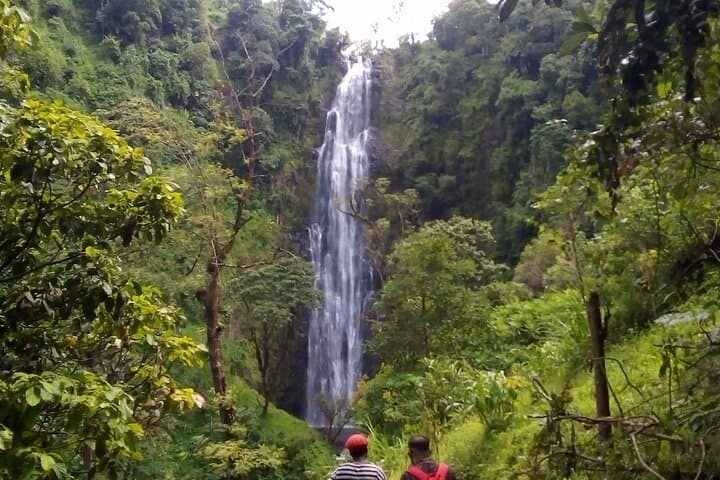
You step off the minivan and the air shifts—cooler, damp, threaded with wood smoke and the bitter-sweet aroma of fresh coffee. A narrow dirt track climbs through banana terraces and avocado trees; chickens scatter as the village comes into view. The cascade at Materuni tumbles from volcanic escarpment rock into a plunge pool that invites a quick, bracing swim while the cliffs keep a steady, murmuring watch.
Verified experiences and guided adventures in the surrounding area.
Operated by Sere adventure Safari · Moshi, Kilimanjaro Region
You step off the minivan and the air shifts—cooler, damp, threaded with wood smoke and the bitter-sweet aroma of fresh coffee. A narrow dirt track climbs through banana terraces and avocado trees; chickens scatter as the village comes into view. The cascade at Materuni tumbles from volcanic escarpment rock into a plunge pool that invites a quick, bracing swim while the cliffs keep a steady, murmuring watch.
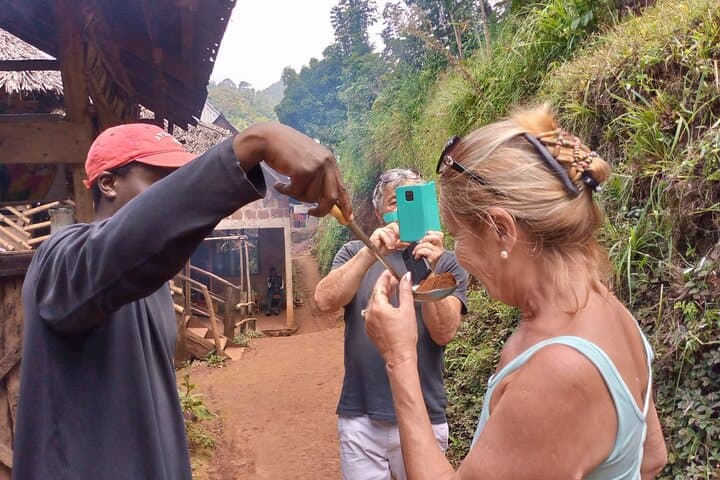
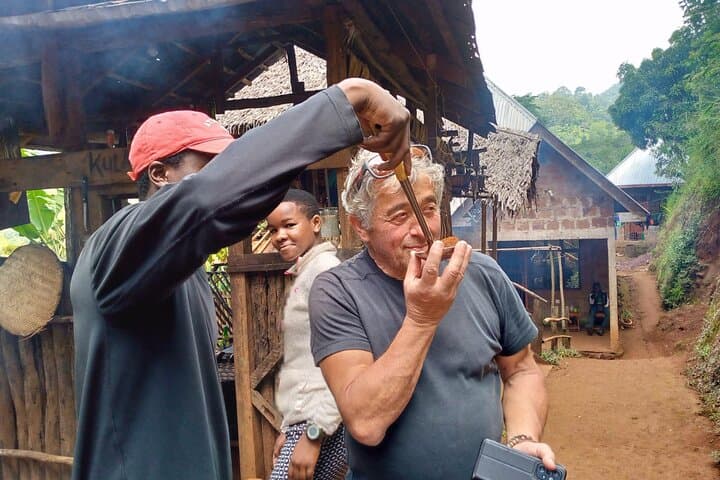
Materuni sits on the lower slopes of Mount Kilimanjaro, in ancestral Chagga territory. The landscape is volcanic in origin: basalt and andesite cliffs carved by rain and time, with fertile soils that have supported intensive small-scale agriculture for generations. Culture here is practiced openly—traditional songs, coffee-processing demonstrations, and communal meals connect visitors to daily life rather than to a staged show.
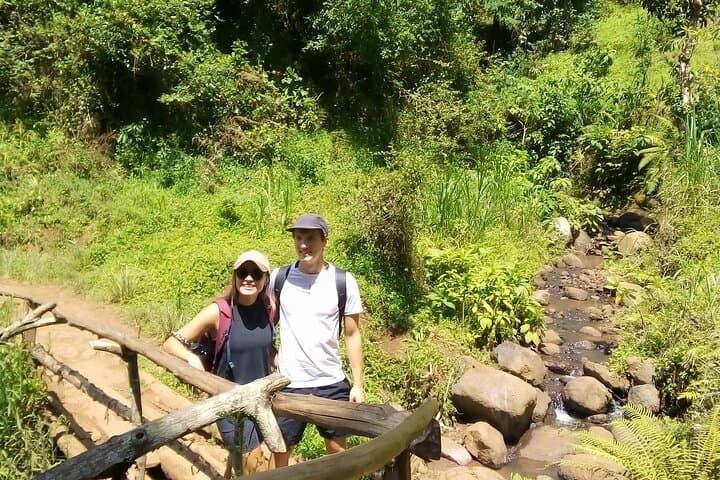
On the ground, expect a 45–60 minute uphill village walk on uneven, often muddy paths; stone steps and farm tracks alternate with forest shade. The waterfall descent is steep in places but manageable for anyone with moderate fitness; bring swimwear for the pool and a towel. Photography windows open at the coffee roast and at lookout points that frame Kilimanjaro’s lower ridges on clear days.
Practical notes: wear grippy shoes, carry 1–2 liters of water, and plan this as a half- to full-day excursion from Moshi. Rain is common outside the short dry season—layers and a light rain shell make the day comfortable. Respect private courtyards and ask before photographing residents; tips support local guides and community projects.
moderate.
8 hours.
Suitable for travelers with moderate fitness—able to walk uphill on uneven terrain for up to an hour at a time.
Expect roughly 30–60 minutes each way over uneven village paths depending on your pace and stops for photos and cultural visits.
Yes; many tours include time to swim in the plunge pool—check water conditions and follow your guide’s safety advice.
Most day trips include a local lunch and a coffee demonstration with tasting; confirm details with your operator at booking.
Yes—the low-altitude visit is a common warm-up or recovery day around Moshi since it’s accessible and culturally immersive.
Materuni is a Chagga village on Kilimanjaro’s lower slopes; the Chagga have farmed the fertile volcanic soils for centuries and developed terraced agriculture unique to the region.
Visitors are encouraged to stay on established paths and avoid single-use plastics; many tours support community projects and sustainable coffee production to reduce pressure on local forests.
Sere adventure Safari operates guided outdoor trips and adventures with an emphasis on safety, stewardship, and memorable experiences.
You step off the minivan and the air shifts—cooler, damp, threaded with wood smoke and the bitter-sweet aroma of fresh coffee. A narrow dirt track climbs through banana terraces and avocado trees; chickens scatter as the village comes into view. The cascade at Materuni tumbles from volcanic escarpment rock into a plunge pool that invites a quick, bracing swim while the cliffs keep a steady, murmuring watch.
You step off the minivan and the air shifts—cooler, damp, threaded with wood smoke and the bitter-sweet aroma of fresh coffee. A narrow dirt track climbs through banana terraces and avocado trees; chickens scatter as the village comes into view. The cascade at Materuni tumbles from volcanic escarpment rock into a plunge pool that invites a quick, bracing swim while the cliffs keep a steady, murmuring watch.
Materuni sits on the lower slopes of Mount Kilimanjaro, in ancestral Chagga territory. The landscape is volcanic in origin: basalt and andesite cliffs carved by rain and time, with fertile soils that have supported intensive small-scale agriculture for generations. Culture here is practiced openly—traditional songs, coffee-processing demonstrations, and communal meals connect visitors to daily life rather than to a staged show.
On the ground, expect a 45–60 minute uphill village walk on uneven, often muddy paths; stone steps and farm tracks alternate with forest shade. The waterfall descent is steep in places but manageable for anyone with moderate fitness; bring swimwear for the pool and a towel. Photography windows open at the coffee roast and at lookout points that frame Kilimanjaro’s lower ridges on clear days.
Practical notes: wear grippy shoes, carry 1–2 liters of water, and plan this as a half- to full-day excursion from Moshi. Rain is common outside the short dry season—layers and a light rain shell make the day comfortable. Respect private courtyards and ask before photographing residents; tips support local guides and community projects.