THE ADVENTURE COLLECTIVE® · Independent discovery and booking for outdoor travel

A half‑day hike from Moshi delivers an 80‑meter cascade, a swim‑able plunge pool, and a hands‑on Chagga coffee experience. Expect steep terrace paths, lively cultural moments, and clear views of Kilimanjaro on good days.
A half‑day hike from Moshi delivers an 80‑meter cascade, a swim‑able plunge pool, and a hands‑on Chagga coffee experience. Expect steep terrace paths, lively cultural moments, and clear views of Kilimanjaro on good days.
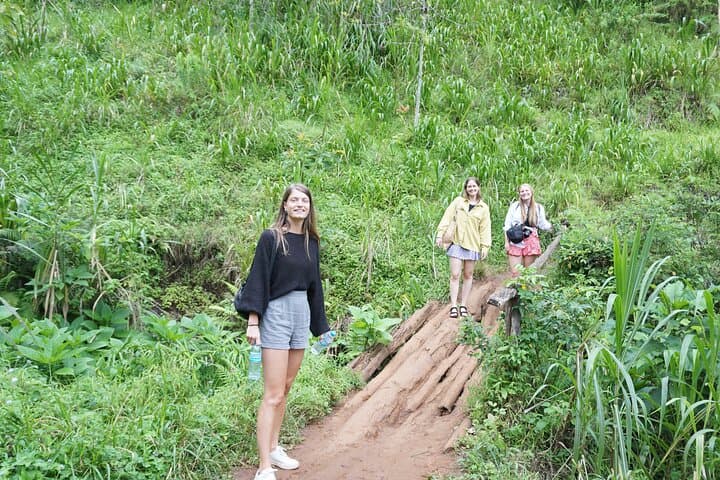
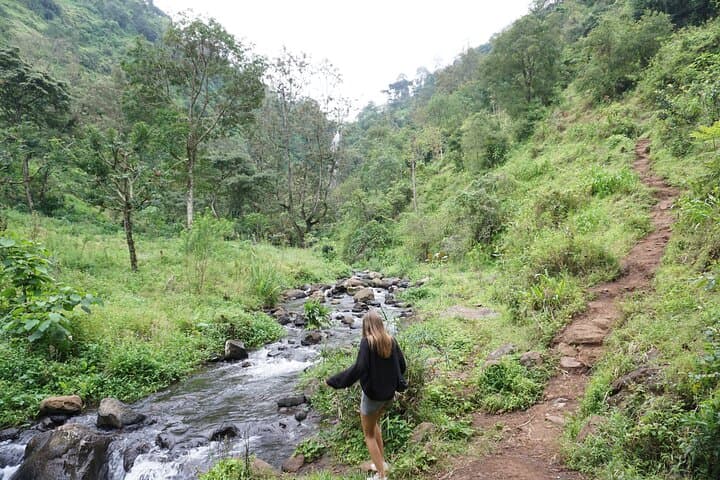
The trail leaves Moshi’s heat behind and climbs into the green flank of Kilimanjaro, where a narrow footpath threads coffee terraces and mossy ferns. Birdsong punctuates the climb; the waterfall’s voice grows louder until the 80‑meter drop finally demands attention and the pool below dares you to cool off.
Verified experiences and guided adventures in the surrounding area.
Operated by All Weather Adventures · Moshi, Kilimanjaro Region
The trail leaves Moshi’s heat behind and climbs into the green flank of Kilimanjaro, where a narrow footpath threads coffee terraces and mossy ferns. Birdsong punctuates the climb; the waterfall’s voice grows louder until the 80‑meter drop finally demands attention and the pool below dares you to cool off.
Geology here is volcanic soils and deep, layered gullies carved by seasonal streams. The Chagga people have farmed these slopes for centuries, sculpting terraces and irrigation channels that still guide water to coffee and banana plots. The coffee segment of the visit is practical and tactile: you’ll see beans drying on raised beds, learn traditional roast and pound techniques, and join in a communal grinding accompanied by local song.
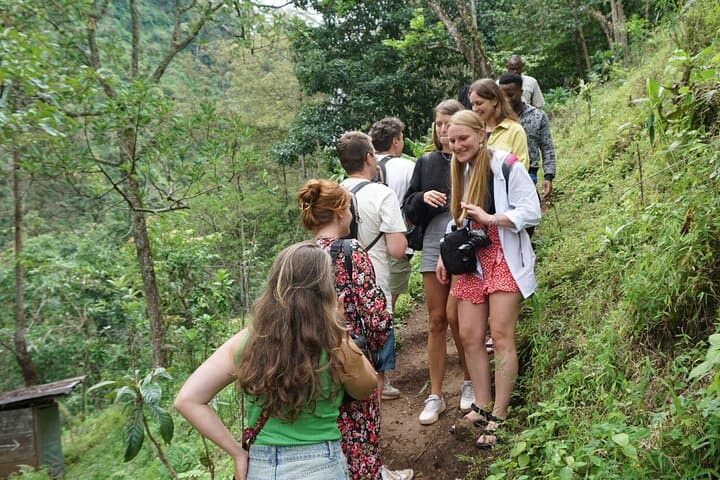
Expect a roughly 40‑minute uphill walk from the village office to the falls, on uneven, sometimes muddy trail with short stair sections; round‑trip time for the hike and coffee experience typically fills half a day but can extend to a full day if you linger. Bring swimwear if you want to enter the plunge pool; the current can be brisk after rain.
Practical tip: wear sturdy shoes with grip, carry at least 1 liter of water, and be ready for sudden showers during the rainy months. Photography is strong all along the ridge—early mornings bring clearer views of Kilimanjaro’s summit. Finally, this trip supports local guides and village fees; travel respectfully, pack out waste, and consider buying local coffee to support conservation and community livelihoods.
moderate.
4–8 hours.
Suitable for people who can walk 40 minutes uphill on uneven ground and handle short stair sections; not technical but requires steady balance.
The primary path from the village office to the falls is about 30–45 minutes each way for most visitors, depending on pace and stops for photos and interpretation.
Swimming is common in the pool, but currents rise after heavy rains—ask your guide about conditions and only enter when they confirm it’s safe.
Yes—carry small Tanzanian shillings for village fees, snacks, tips, and coffee purchases; card acceptance is limited in the village.
The route is described as physically easy by operators, but it includes uneven terrain; children and seniors should be steady on their feet and may prefer a slower pace or shorter visit.
The Chagga developed intensive terrace farming on Kilimanjaro’s slopes; coffee became a cash crop in the 19th–20th centuries and remains central to local livelihoods.
Community fees support trail upkeep and sustainable coffee projects—minimize plastic waste, stay on the path, and buy local coffee to benefit conservation efforts.
All Weather Adventures operates guided outdoor trips and adventures with an emphasis on safety, stewardship, and memorable experiences.
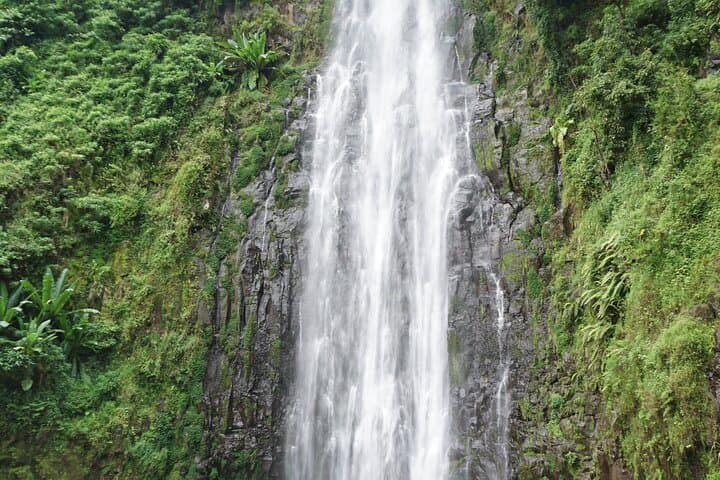
The trail leaves Moshi’s heat behind and climbs into the green flank of Kilimanjaro, where a narrow footpath threads coffee terraces and mossy ferns. Birdsong punctuates the climb; the waterfall’s voice grows louder until the 80‑meter drop finally demands attention and the pool below dares you to cool off.
The trail leaves Moshi’s heat behind and climbs into the green flank of Kilimanjaro, where a narrow footpath threads coffee terraces and mossy ferns. Birdsong punctuates the climb; the waterfall’s voice grows louder until the 80‑meter drop finally demands attention and the pool below dares you to cool off.
Geology here is volcanic soils and deep, layered gullies carved by seasonal streams. The Chagga people have farmed these slopes for centuries, sculpting terraces and irrigation channels that still guide water to coffee and banana plots. The coffee segment of the visit is practical and tactile: you’ll see beans drying on raised beds, learn traditional roast and pound techniques, and join in a communal grinding accompanied by local song.
Expect a roughly 40‑minute uphill walk from the village office to the falls, on uneven, sometimes muddy trail with short stair sections; round‑trip time for the hike and coffee experience typically fills half a day but can extend to a full day if you linger. Bring swimwear if you want to enter the plunge pool; the current can be brisk after rain.
Practical tip: wear sturdy shoes with grip, carry at least 1 liter of water, and be ready for sudden showers during the rainy months. Photography is strong all along the ridge—early mornings bring clearer views of Kilimanjaro’s summit. Finally, this trip supports local guides and village fees; travel respectfully, pack out waste, and consider buying local coffee to support conservation and community livelihoods.