THE ADVENTURE COLLECTIVE® · Independent discovery and booking for outdoor travel

Spend a full day hiking to the 80m Materuni Waterfalls, learning coffee craft in a Chagga village, then relaxing at Kikuletwa Hot Springs. This private tour from Arusha or Moshi blends active hiking, cultural immersion, and a soothing swim.
Spend a full day hiking to the 80m Materuni Waterfalls, learning coffee craft in a Chagga village, then relaxing at Kikuletwa Hot Springs. This private tour from Arusha or Moshi blends active hiking, cultural immersion, and a soothing swim.
A narrow footpath slips between banana palms and mossy stones as you walk toward the rumble: Materuni Waterfalls. Mist threads through the rainforest and, if Kilimanjaro allows, its summit cuts a white silhouette above the canopy. The cascade itself drops more than 80 meters into a cool plunge pool that dares you to wade in; downstream, streams move with the patient force of the mountain.
Verified experiences and guided adventures in the surrounding area.
Operated by Pazuri Africa · Moshi, Kilimanjaro Region
A narrow footpath slips between banana palms and mossy stones as you walk toward the rumble: Materuni Waterfalls. Mist threads through the rainforest and, if Kilimanjaro allows, its summit cuts a white silhouette above the canopy. The cascade itself drops more than 80 meters into a cool plunge pool that dares you to wade in; downstream, streams move with the patient force of the mountain.
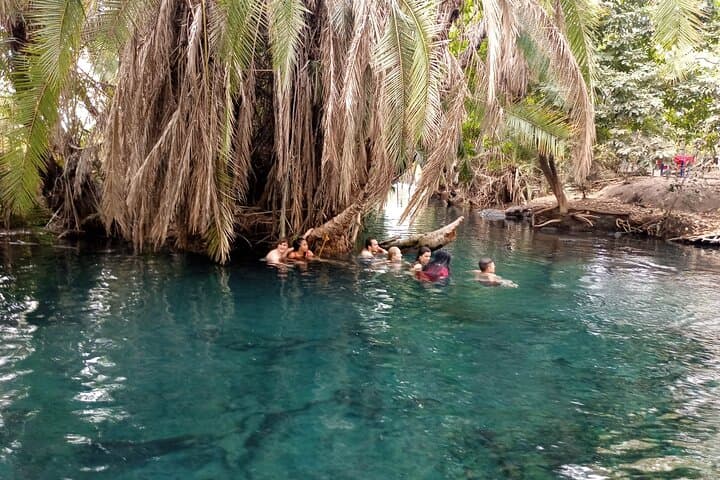
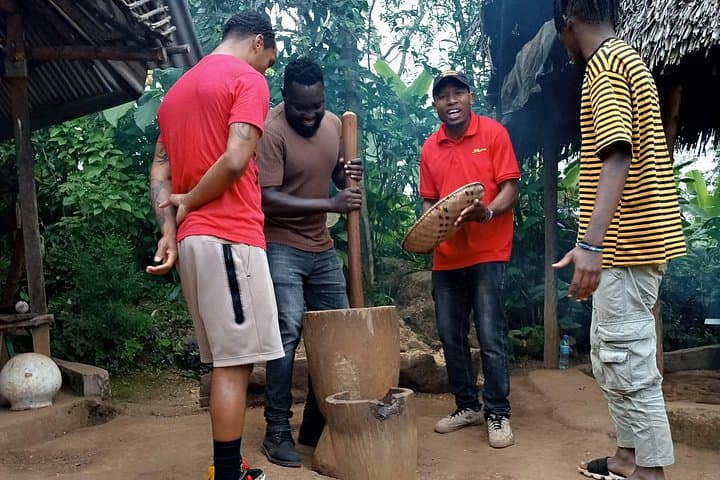
This route sits on the southern slopes of Kilimanjaro, carved from volcanic soil and fed by highland aquifers. Materuni village is home to the Chagga people, whose horticulture and coffee traditions shaped this patchwork of terraces. The coffee stop that follows is as much cultural lesson as tasting: you’ll see beans dried on raised beds, listen to work songs, and participate in the low‑tech roast and grind that fuels daily life here. The day closes at Kikuletwa (Chemka) Hot Springs — an aquamarine pool where warm groundwater meets shade, offering a relaxed contrast to the hike.
Practically: expect a roughly 40‑minute, moderately muddy trail to the falls with some slick rock and short steep sections; the full loop is a private, eight‑hour outing including hotel pickup from Arusha or Moshi, lunch, water, and transport. Bring sturdy footwear, swimwear and a towel, sun protection, and a lightweight rain layer for sudden showers. Respect local customs when sampling banana beer and ask before photographing people. Timing your visit in the dry months improves views of Kilimanjaro and trail conditions, while the rainy season intensifies the falls but makes surfaces slippery.
moderate.
6–8 hours.
Suitable for people who can handle a 40‑minute uphill hike on uneven, sometimes muddy terrain plus short walks and standing during coffee demonstrations.
The trail to the falls is approximately a 30–40 minute walk one way over mixed dirt and stone; allow more time if conditions are muddy or you stop for photos.
Yes—both the Materuni plunge pool and Kikuletwa Hot Springs are suitable for swimming; bring swimwear and a towel and follow your guide’s safety instructions.
The tour is family‑friendly, but children should be supervised on slippery sections; infant seats and private transport can be arranged—confirm at booking.
Possibly—views depend on cloud cover; mornings in the dry season (Jun–Aug) give the best chances of seeing the summit from village viewpoints.
Materuni is a Chagga village with a long tradition of terraced agriculture and coffee cultivation tied to Kilimanjaro’s fertile volcanic soils.
Local guides aim to minimize impact by sticking to established trails and supporting village‑run coffee projects; avoid single‑use plastics and respect water sources.
Pazuri Africa operates guided outdoor trips and adventures with an emphasis on safety, stewardship, and memorable experiences.
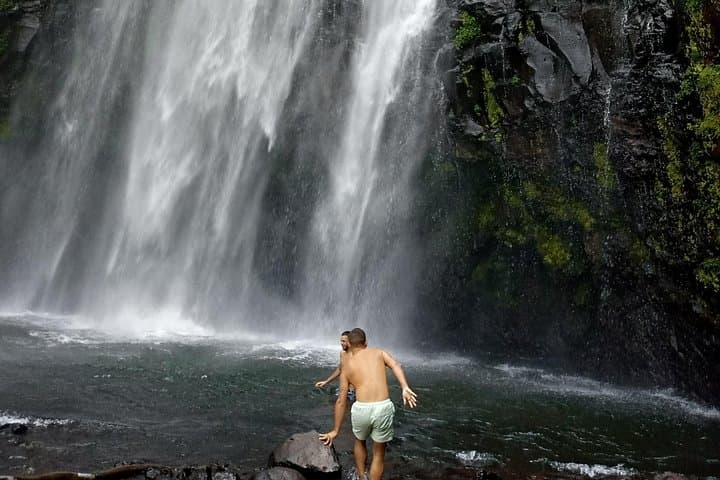
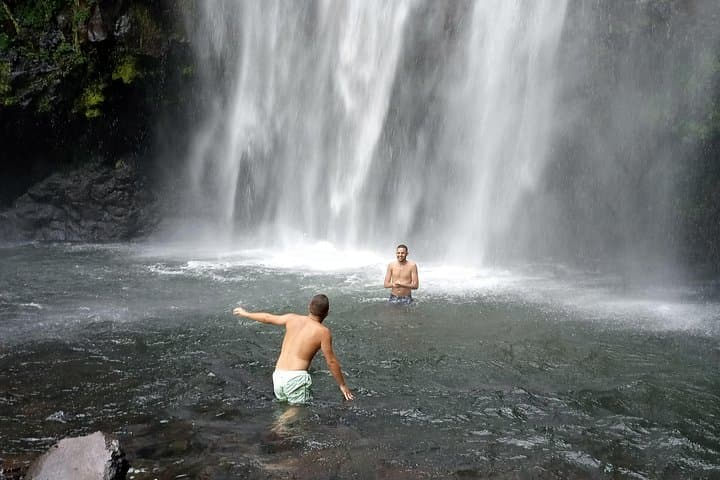
A narrow footpath slips between banana palms and mossy stones as you walk toward the rumble: Materuni Waterfalls. Mist threads through the rainforest and, if Kilimanjaro allows, its summit cuts a white silhouette above the canopy. The cascade itself drops more than 80 meters into a cool plunge pool that dares you to wade in; downstream, streams move with the patient force of the mountain.
A narrow footpath slips between banana palms and mossy stones as you walk toward the rumble: Materuni Waterfalls. Mist threads through the rainforest and, if Kilimanjaro allows, its summit cuts a white silhouette above the canopy. The cascade itself drops more than 80 meters into a cool plunge pool that dares you to wade in; downstream, streams move with the patient force of the mountain.
This route sits on the southern slopes of Kilimanjaro, carved from volcanic soil and fed by highland aquifers. Materuni village is home to the Chagga people, whose horticulture and coffee traditions shaped this patchwork of terraces. The coffee stop that follows is as much cultural lesson as tasting: you’ll see beans dried on raised beds, listen to work songs, and participate in the low‑tech roast and grind that fuels daily life here. The day closes at Kikuletwa (Chemka) Hot Springs — an aquamarine pool where warm groundwater meets shade, offering a relaxed contrast to the hike.
Practically: expect a roughly 40‑minute, moderately muddy trail to the falls with some slick rock and short steep sections; the full loop is a private, eight‑hour outing including hotel pickup from Arusha or Moshi, lunch, water, and transport. Bring sturdy footwear, swimwear and a towel, sun protection, and a lightweight rain layer for sudden showers. Respect local customs when sampling banana beer and ask before photographing people. Timing your visit in the dry months improves views of Kilimanjaro and trail conditions, while the rainy season intensifies the falls but makes surfaces slippery.