THE ADVENTURE COLLECTIVE® · Independent discovery and booking for outdoor travel

A full-day private loop from Moshi that combines a forest hike to an 80m waterfall, a hands-on Chagga coffee demonstration and an afternoon soaking at the Kikuletwa (Chemka) Hot Springs. Expect a mix of steady walking, cultural exchange, and clear, warm pools.
A full-day private loop from Moshi that combines a forest hike to an 80m waterfall, a hands-on Chagga coffee demonstration and an afternoon soaking at the Kikuletwa (Chemka) Hot Springs. Expect a mix of steady walking, cultural exchange, and clear, warm pools.
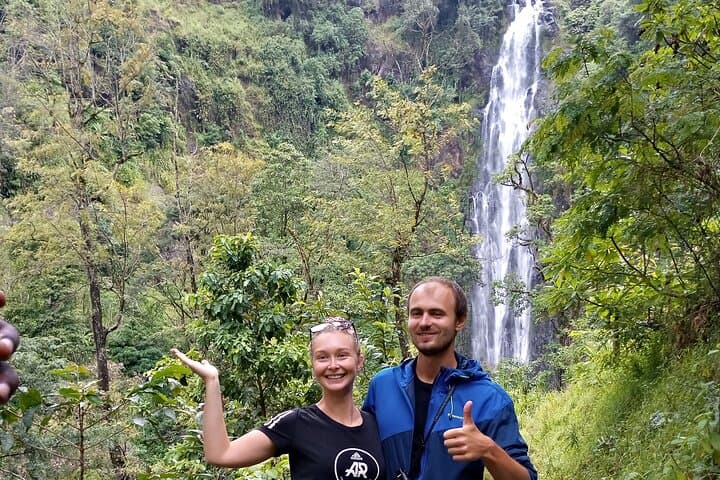
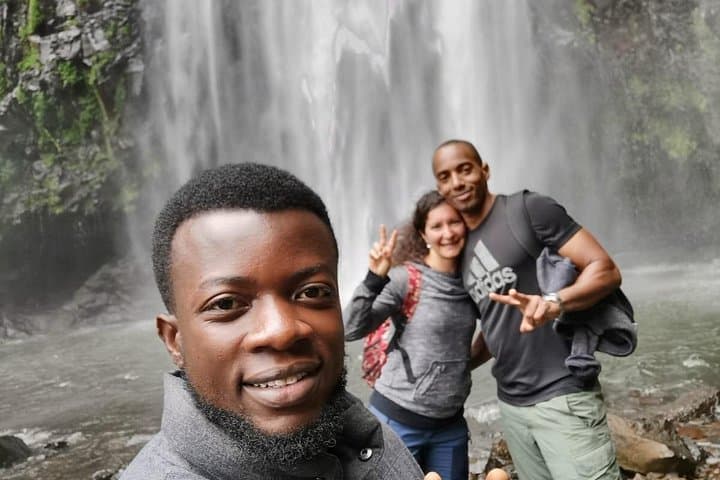
You start on a narrow village track under coffee trees, Kilimanjaro teasing the horizon through a veil of mist. The river ahead calls you forward; its current seems to dare you toward the fall. A 40-minute climb from Materuni village brings you through terraced fields and forested gullies until the waterfall drops—more than 80 meters—into a bright, slate pool where you can cool off and listen to the rock speak in steady, patient thunder.
Verified experiences and guided adventures in the surrounding area.
Operated by pazuri porini safaris · Moshi, Kilimanjaro Region
You start on a narrow village track under coffee trees, Kilimanjaro teasing the horizon through a veil of mist. The river ahead calls you forward; its current seems to dare you toward the fall. A 40-minute climb from Materuni village brings you through terraced fields and forested gullies until the waterfall drops—more than 80 meters—into a bright, slate pool where you can cool off and listen to the rock speak in steady, patient thunder.
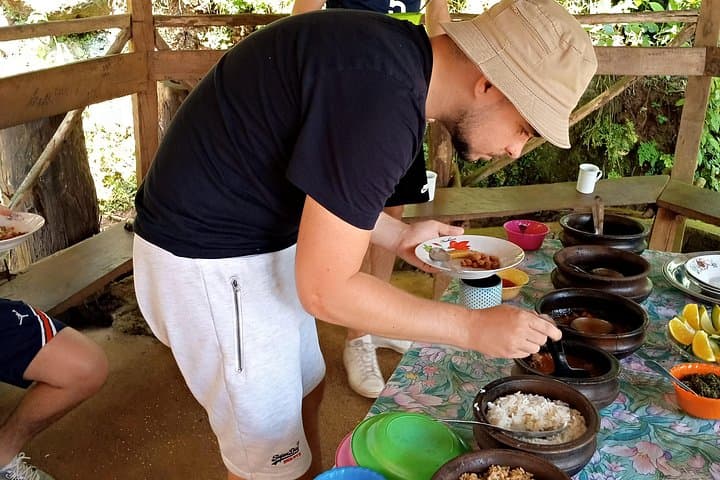
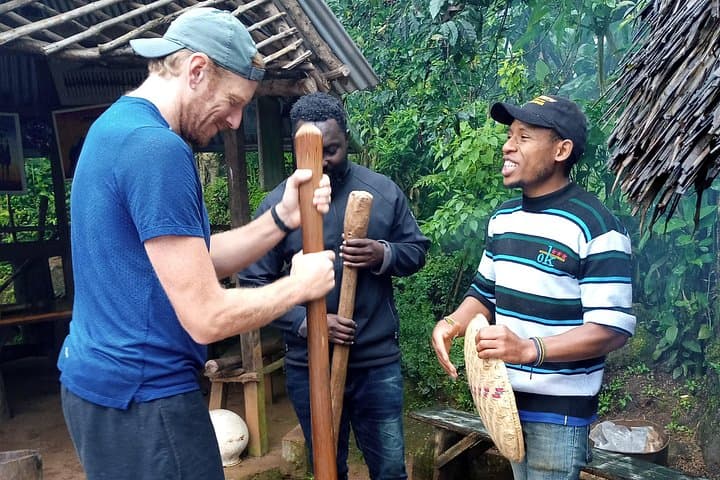
The slopes around Materuni are Chagga country: steep volcanic soils shaped over millennia and farmed into banana terraces and coffee gardens. The coffee tour that follows is as much a cultural lesson as an agricultural one—learn how Chagga families cultivate, dry and roast beans, and join in the traditional grinding accompanied by local song. Later you’ll drive roughly 1 hour 20 minutes over rolling, sometimes bumpy roads to Kikuletwa (Chemka) Hot Springs: clear emerald pools fed by underground springs where fish nibble at your toes and locals trade stories at a small bar.
Practical points: plan for a 6–7 hour day with hotel pickup from Moshi or Arusha. Trails can be slippery—good hiking shoes and a walking pace that respects wet steps will make the 40-minute approach safer. Bring swimwear, towel, at least 1–2 liters of water, insect repellent and cash for local purchases. Timing matters: mornings offer clearer views of Kilimanjaro; afternoons are best for unwinding in the springs. Respect village etiquette—ask before photographing people and leave no trace on trails and at the pools.
moderate.
6–7 hours.
Suitable for people with reasonable walking fitness—able to manage 40 minutes of uneven uphill trail and short steps; not strenuous but requires sure footing.
Yes—round-trip transportation from Moshi or Arusha hotels is included; confirm your pickup point when booking.
Yes—swimming is allowed and popular; bring swimwear and a towel. Note pools are natural and can be deep in spots.
The approach is roughly a 40-minute walk from Materuni village with some uphill and potentially slippery terrain; guides set the pace.
The tour is family-friendly but not recommended for very young children who have difficulty with uneven trails; check with the operator for age guidelines and safety measures.
The Chagga people have farmed the lower slopes of Kilimanjaro for centuries, shaping terraced landscapes that support bananas, coffee and traditional livelihoods.
Stick to marked paths, avoid single-use plastics at village stops, and support local guides and vendors to keep tourism benefits in the community.
pazuri porini safaris operates guided outdoor trips and adventures with an emphasis on safety, stewardship, and memorable experiences.
You start on a narrow village track under coffee trees, Kilimanjaro teasing the horizon through a veil of mist. The river ahead calls you forward; its current seems to dare you toward the fall. A 40-minute climb from Materuni village brings you through terraced fields and forested gullies until the waterfall drops—more than 80 meters—into a bright, slate pool where you can cool off and listen to the rock speak in steady, patient thunder.
You start on a narrow village track under coffee trees, Kilimanjaro teasing the horizon through a veil of mist. The river ahead calls you forward; its current seems to dare you toward the fall. A 40-minute climb from Materuni village brings you through terraced fields and forested gullies until the waterfall drops—more than 80 meters—into a bright, slate pool where you can cool off and listen to the rock speak in steady, patient thunder.
The slopes around Materuni are Chagga country: steep volcanic soils shaped over millennia and farmed into banana terraces and coffee gardens. The coffee tour that follows is as much a cultural lesson as an agricultural one—learn how Chagga families cultivate, dry and roast beans, and join in the traditional grinding accompanied by local song. Later you’ll drive roughly 1 hour 20 minutes over rolling, sometimes bumpy roads to Kikuletwa (Chemka) Hot Springs: clear emerald pools fed by underground springs where fish nibble at your toes and locals trade stories at a small bar.
Practical points: plan for a 6–7 hour day with hotel pickup from Moshi or Arusha. Trails can be slippery—good hiking shoes and a walking pace that respects wet steps will make the 40-minute approach safer. Bring swimwear, towel, at least 1–2 liters of water, insect repellent and cash for local purchases. Timing matters: mornings offer clearer views of Kilimanjaro; afternoons are best for unwinding in the springs. Respect village etiquette—ask before photographing people and leave no trace on trails and at the pools.