THE ADVENTURE COLLECTIVE® · Independent discovery and booking for outdoor travel

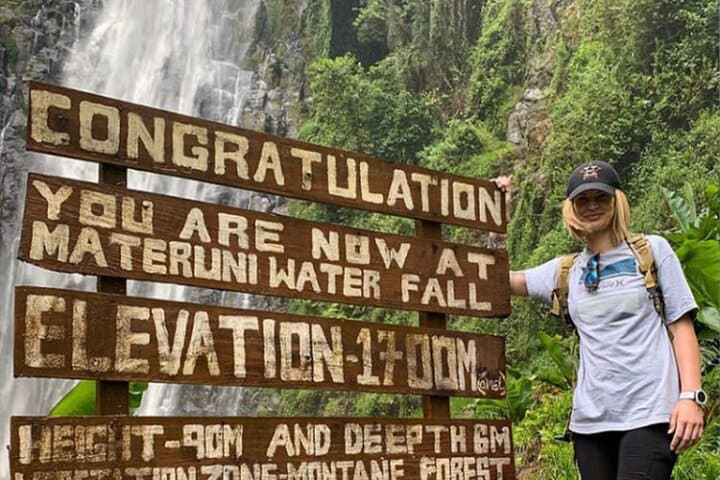
A full‑day loop from Moshi that combines a rainforest hike to an 80‑m waterfall, a hands‑on Chagga coffee tour, and a restorative swim in Kikuletwa (Chemka) Hot Springs. Expect village culture, volcanic landscapes and two very different swimming experiences.
A full‑day loop from Moshi that combines a rainforest hike to an 80‑m waterfall, a hands‑on Chagga coffee tour, and a restorative swim in Kikuletwa (Chemka) Hot Springs. Expect village culture, volcanic landscapes and two very different swimming experiences.
The trail starts with the noise of village life—chickens, conversation and a steady buzz of insects—then opens into a cool green corridor as the path drops under canopy toward an 80‑meter curtain of water.
Verified experiences and guided adventures in the surrounding area.
Operated by Maasai Boy Adventures. · Moshi, Kilimanjaro Region
The trail starts with the noise of village life—chickens, conversation and a steady buzz of insects—then opens into a cool green corridor as the path drops under canopy toward an 80‑meter curtain of water.
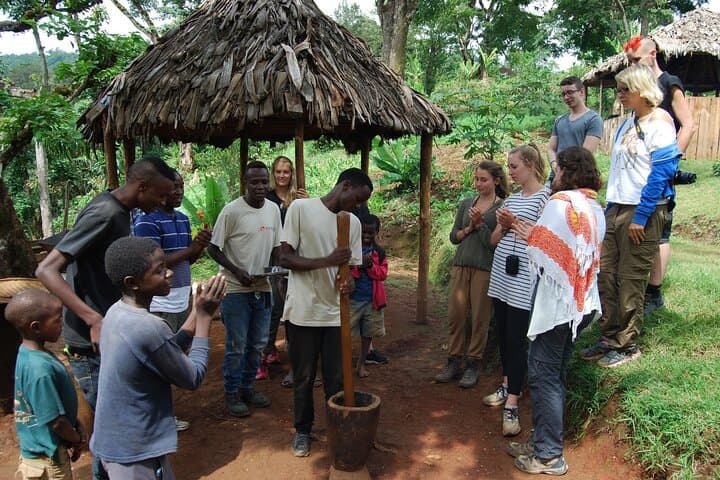
Materuni Village sits on Kilimanjaro’s eastern foothills; the waterfall cuts down volcanic slopes that were laid down in the Pleistocene and shaped by erosive run-off since. Local Chagga farming culture threads the route: terraced fields, banana groves and small coffee plots tended by families who have cultivated these slopes for generations. A guided coffee demonstration in Materuni walks visitors through picking, pulping, drying and roasting Arabica beans—an up‑close lesson in a crop central to regional livelihoods.
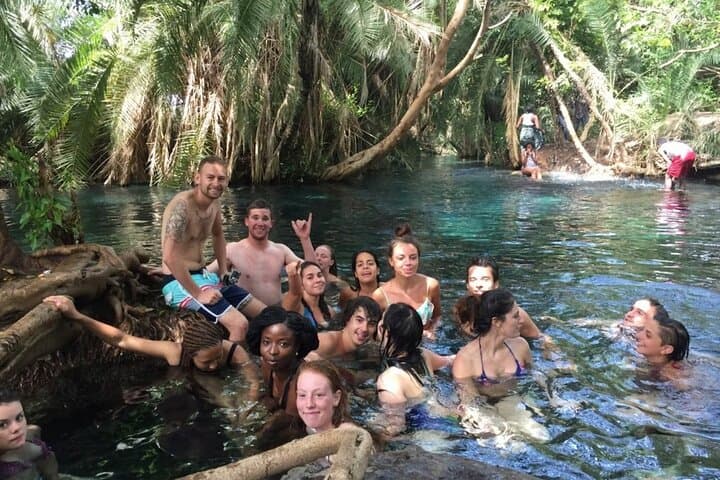
After a rainforest hike—well-shaded but often steep and muddy—you can swim in the natural plunge pool beneath the falls. Later the drive to Kikuletwa (Chemka) Hot Springs takes you across broad, cultivated plains and through small rural settlements to a turquoise thermal pool fed by underground springs; the water is warm, clear and inviting for a relaxed soak.
Practical advice: the Materuni trail includes uneven, sometimes wet steps and can take 45–90 minutes each way depending on pace; bring sturdy shoes, a towel and insect repellent. Carry cash for local purchases and tips; the full day is long (about 12 hours including transfers), so hydrate and schedule the hike for morning light. Respect village customs—ask before photographing people—and follow guides’ safety instructions at both water sites.
moderate.
12 hours.
Light to moderate fitness; participants should be comfortable walking uneven terrain for up to 90 minutes and handling several short climbs.
The return hike typically takes 45–90 minutes each way depending on fitness and stops; terrain includes steps and muddy stretches.
Yes—both spots have swimming areas; follow your guide’s safety advice and watch for slippery rocks and variable depths.
Yes—coffee demonstrations are family friendly; children can see picking and roasting but supervision is recommended around hot equipment.
Lunch is included in the tour, but bring cash for souvenirs, additional refreshments, and tips for local guides.
The Chagga people have farmed the Kilimanjaro foothills for centuries; their terraced agriculture and coffee cultivation shaped the region’s cultural landscape.
Stay on paths, avoid single‑use plastics and follow guide instructions; local incomes from responsible tourism help fund community conservation and sustainable farming.
Maasai Boy Adventures. operates guided outdoor trips and adventures with an emphasis on safety, stewardship, and memorable experiences.
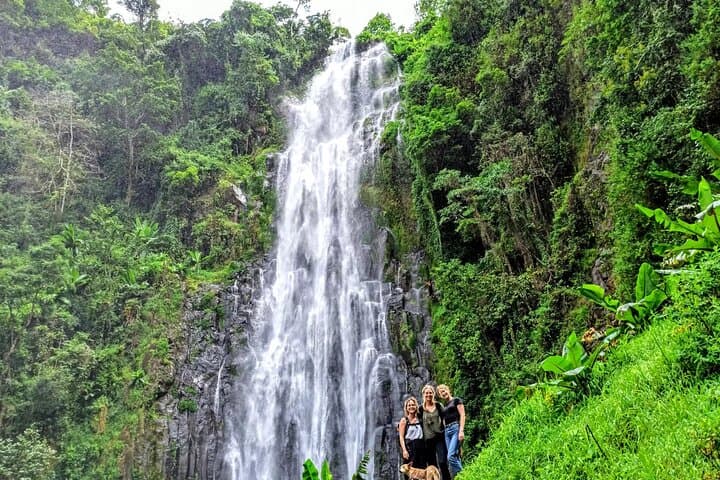
The trail starts with the noise of village life—chickens, conversation and a steady buzz of insects—then opens into a cool green corridor as the path drops under canopy toward an 80‑meter curtain of water.
The trail starts with the noise of village life—chickens, conversation and a steady buzz of insects—then opens into a cool green corridor as the path drops under canopy toward an 80‑meter curtain of water.
Materuni Village sits on Kilimanjaro’s eastern foothills; the waterfall cuts down volcanic slopes that were laid down in the Pleistocene and shaped by erosive run-off since. Local Chagga farming culture threads the route: terraced fields, banana groves and small coffee plots tended by families who have cultivated these slopes for generations. A guided coffee demonstration in Materuni walks visitors through picking, pulping, drying and roasting Arabica beans—an up‑close lesson in a crop central to regional livelihoods.
After a rainforest hike—well-shaded but often steep and muddy—you can swim in the natural plunge pool beneath the falls. Later the drive to Kikuletwa (Chemka) Hot Springs takes you across broad, cultivated plains and through small rural settlements to a turquoise thermal pool fed by underground springs; the water is warm, clear and inviting for a relaxed soak.
Practical advice: the Materuni trail includes uneven, sometimes wet steps and can take 45–90 minutes each way depending on pace; bring sturdy shoes, a towel and insect repellent. Carry cash for local purchases and tips; the full day is long (about 12 hours including transfers), so hydrate and schedule the hike for morning light. Respect village customs—ask before photographing people—and follow guides’ safety instructions at both water sites.