THE ADVENTURE COLLECTIVE® · Independent discovery and booking for outdoor travel

A day trip from Moshi that pairs a hands-on Chagga coffee ceremony with a walk to a 50‑meter waterfall. Expect village hospitality, steep forested trails, and a refreshing plunge if conditions allow.
A day trip from Moshi that pairs a hands-on Chagga coffee ceremony with a walk to a 50‑meter waterfall. Expect village hospitality, steep forested trails, and a refreshing plunge if conditions allow.
You step off the van and the air changes—thicker, green, carrying the sharp sweetness of coffee cherries and the distant hiss of water. The track from Materuni village drops through banana and avocado farms, the sound of the falls growing until the canyon opens and a 50‑meter ribbon of water dares you closer.
Verified experiences and guided adventures in the surrounding area.
Operated by Maryo Tours · Moshi, Kilimanjaro
You step off the van and the air changes—thicker, green, carrying the sharp sweetness of coffee cherries and the distant hiss of water. The track from Materuni village drops through banana and avocado farms, the sound of the falls growing until the canyon opens and a 50‑meter ribbon of water dares you closer.
The trail follows old Chagga footpaths that shaped settlement on Kilimanjaro’s southern slopes. The Chagga people have farmed these volcanic soils for centuries, sculpting terraces and popularizing coffee cultivation that now fuels local life and the tour economy. Geologically the falls carve through basalt and volcanic debris, evidence of the mountain’s eruptions and long slopes that drain into the Pangani basin.
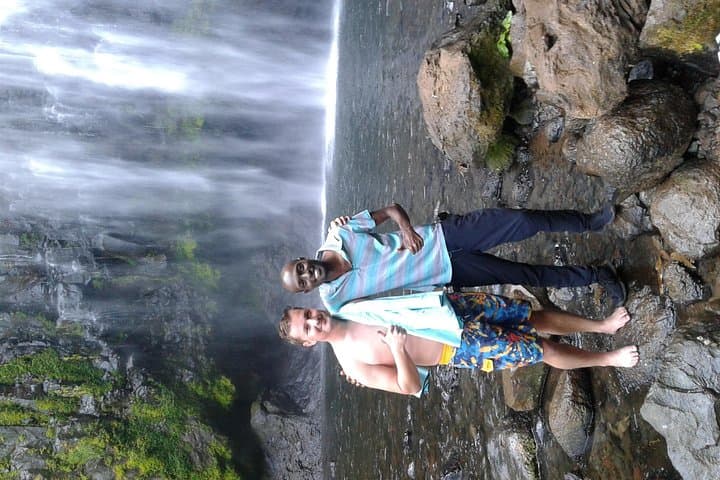
In the village you’ll be invited into a coffee ceremony: roasting, pounding and brewing by hand while songs and dances mark the rhythm of daily work. That cultural exchange is as much part of the day as the plunge pool at the base of the falls, where a quick rinse is possible in warm months.
Practical guidance: the round trip from Moshi is a full day—plan for roughly 8–10 hours including transport, a 20–45 minute hike to the falls depending on pace, and time for the coffee experience. Terrain is steep, often muddy after rains, and shaded; good footwear, a light rain layer and at least 1–2 liters of water will keep the day comfortable. Bring cash for village purchases and tip your guide—most local operations are community-run and use fees to support conservation and trail upkeep.
easy.
8–10 hours.
Moderate: suitable for most visitors who can handle a 20–45 minute uphill/downhill walk with short steep sections.
Expect a 20–45 minute walk from the village depending on pace and route; terrain varies from gentle paths to short steep sections.
Yes—most day-trip itineraries include a hands-on Chagga coffee tasting and demonstration as part of the village visit.
Swimming may be possible when guides deem conditions safe—water levels and currents change seasonally, so follow your guide’s advice.
Most operators include private transportation with hotel pickup and drop-off within Moshi; confirm exact pickup time at booking.
The Chagga people have cultivated the Kilimanjaro slopes for generations; coffee and terrace agriculture shaped village life and pathways to the falls.
Visitor fees often support local conservation and trail maintenance—stick to marked paths, avoid single-use plastics and support community-run services.
Maryo Tours operates guided outdoor trips and adventures with an emphasis on safety, stewardship, and memorable experiences.
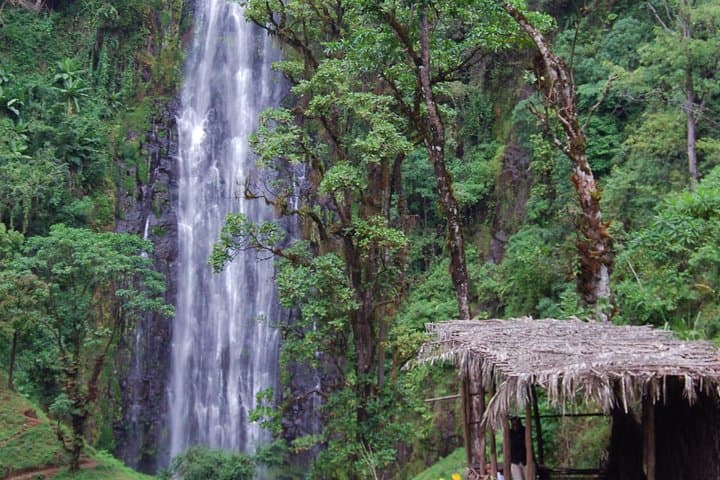
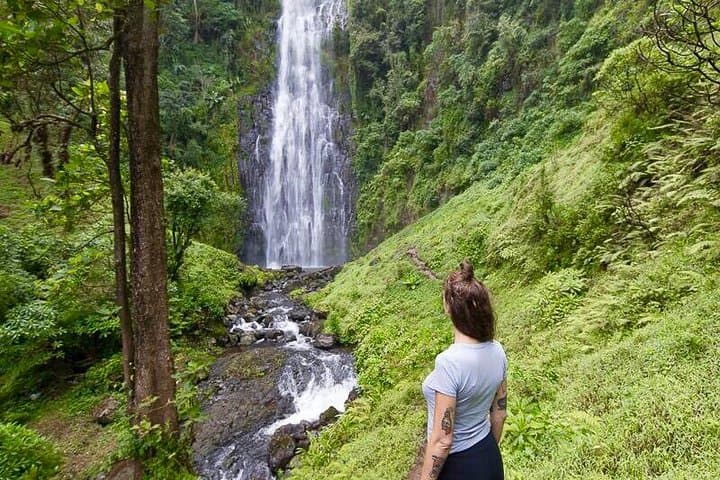
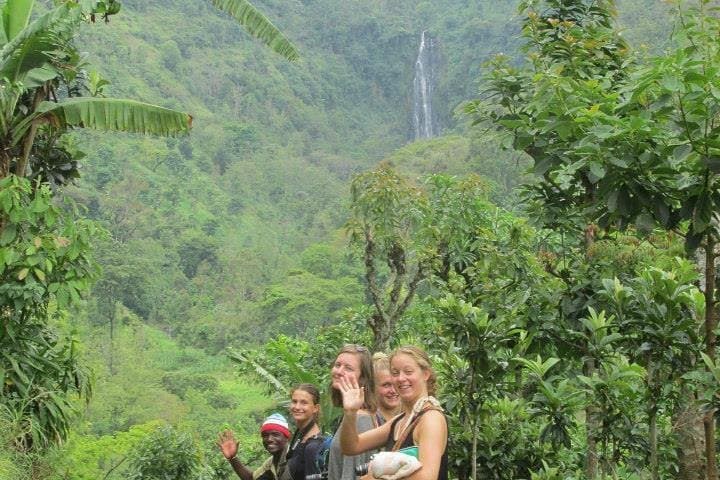
You step off the van and the air changes—thicker, green, carrying the sharp sweetness of coffee cherries and the distant hiss of water. The track from Materuni village drops through banana and avocado farms, the sound of the falls growing until the canyon opens and a 50‑meter ribbon of water dares you closer.
You step off the van and the air changes—thicker, green, carrying the sharp sweetness of coffee cherries and the distant hiss of water. The track from Materuni village drops through banana and avocado farms, the sound of the falls growing until the canyon opens and a 50‑meter ribbon of water dares you closer.
The trail follows old Chagga footpaths that shaped settlement on Kilimanjaro’s southern slopes. The Chagga people have farmed these volcanic soils for centuries, sculpting terraces and popularizing coffee cultivation that now fuels local life and the tour economy. Geologically the falls carve through basalt and volcanic debris, evidence of the mountain’s eruptions and long slopes that drain into the Pangani basin.
In the village you’ll be invited into a coffee ceremony: roasting, pounding and brewing by hand while songs and dances mark the rhythm of daily work. That cultural exchange is as much part of the day as the plunge pool at the base of the falls, where a quick rinse is possible in warm months.
Practical guidance: the round trip from Moshi is a full day—plan for roughly 8–10 hours including transport, a 20–45 minute hike to the falls depending on pace, and time for the coffee experience. Terrain is steep, often muddy after rains, and shaded; good footwear, a light rain layer and at least 1–2 liters of water will keep the day comfortable. Bring cash for village purchases and tip your guide—most local operations are community-run and use fees to support conservation and trail upkeep.