THE ADVENTURE COLLECTIVE® · Independent discovery and booking for outdoor travel

Hike a short, steep trail to a 70‑meter waterfall, then learn traditional Chagga coffee craft on the slopes of Kilimanjaro. This day tour combines a brisk outdoor walk with hands‑on cultural exchange and reliable transfers from Moshi or Arusha.
Hike a short, steep trail to a 70‑meter waterfall, then learn traditional Chagga coffee craft on the slopes of Kilimanjaro. This day tour combines a brisk outdoor walk with hands‑on cultural exchange and reliable transfers from Moshi or Arusha.
A cool mountain breeze meets the smell of roasting beans as the path drops into the gorge toward Materuni Waterfalls. The trail threads through coffee terraces and shaded banana groves, the falls announcing themselves before they come into view — a 70‑meter curtain of water carving a green amphitheater. Guides move with practiced ease, pointing out coffee cherries, medicinal plants and occasional birds that flit between the stunted forest.
Verified experiences and guided adventures in the surrounding area.
Operated by Serengeti Insider Safaris · Materuni, Kilimanjaro Region
A cool mountain breeze meets the smell of roasting beans as the path drops into the gorge toward Materuni Waterfalls. The trail threads through coffee terraces and shaded banana groves, the falls announcing themselves before they come into view — a 70‑meter curtain of water carving a green amphitheater. Guides move with practiced ease, pointing out coffee cherries, medicinal plants and occasional birds that flit between the stunted forest.
The slopes here are home to the Chagga people, who have farmed the lower flanks of Kilimanjaro for centuries using irrigation furrows and terraced plots; coffee became an economic mainstay during the colonial and post‑colonial eras. Geologically, the falls drain volcanic soils from Kilimanjaro’s lower slopes, producing rich loam that feeds dense vegetation and fast, tobacco‑brown runoff during the rainy season.
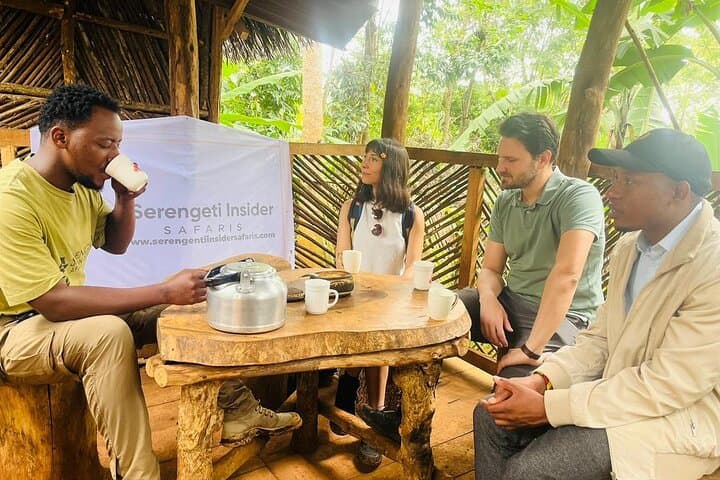
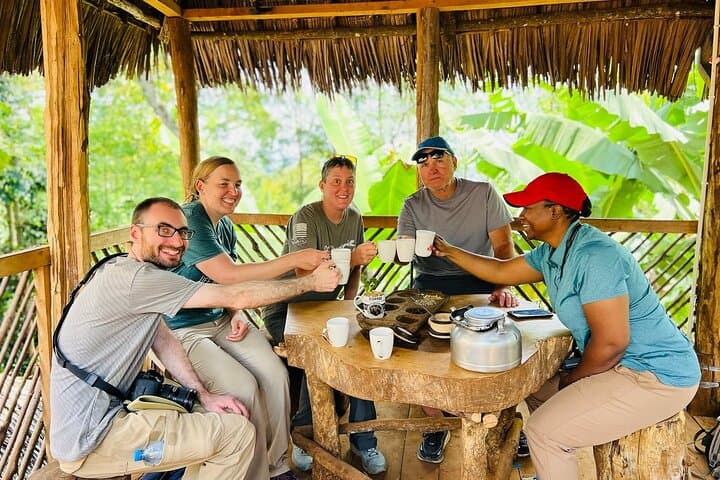
Visitors can expect a cultural immersion as much as a short hike: a hands‑on coffee demonstration follows the waterfall walk, showing traditional roasting, pounding and brewing methods that yield a bold, local cup. The trail is roughly 1–2 km each way on uneven, sometimes steep terrain with stone steps and muddy stretches; total time for the experience runs 6–10 hours when paired with transfers from Arusha or Moshi.
Practical tips: start early for clearer Kilimanjaro views and firmer trails, bring at least 2–3 litres of water and sturdy hiking shoes, and budget time to sit through the coffee demo and village visit. Respect local customs, carry out waste, and tip guides who facilitate this community‑based experience.
moderate.
6–10 hours.
Moderately fit — able to manage short steep sections, stone steps and uneven ground for several hours
Expect roughly 1–2 km each way on a trail with stone steps and uneven ground; the walking portion typically takes 30–60 minutes each way depending on fitness and stops.
Children can join but infants must sit on an adult’s lap; the hike has steep sections, so families should assess mobility and supervision needs.
A hands‑on demonstration from bean to cup: harvesting explanation, roasting over heat, traditional pounding or grinding and a brewed tasting of local Chagga coffee.
Private transportation to and from Arusha or Moshi is included; pick up details are collected at booking and may vary by group location.
The Chagga have farmed Kilimanjaro’s lower slopes for generations, shaping terraced fields and establishing coffee as a regional cash crop during the 19th–20th centuries.
Tours promote community income while limiting direct impact — stick to marked trails, avoid single‑use plastics and follow guide instructions to reduce erosion and disturbance.
Serengeti Insider Safaris operates guided outdoor trips and adventures with an emphasis on safety, stewardship, and memorable experiences.
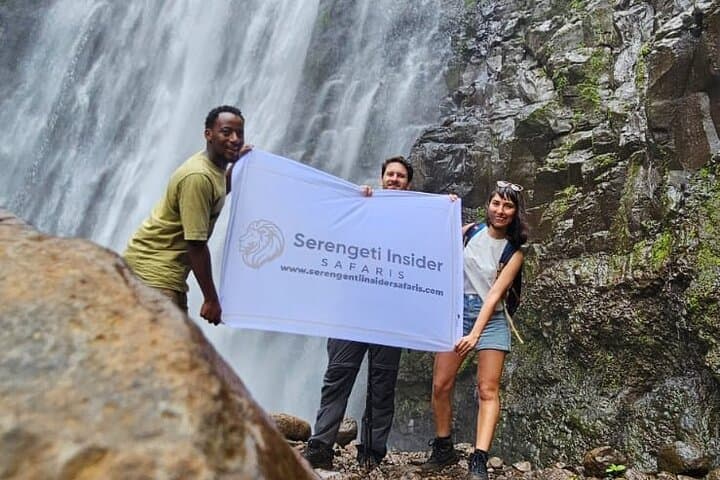
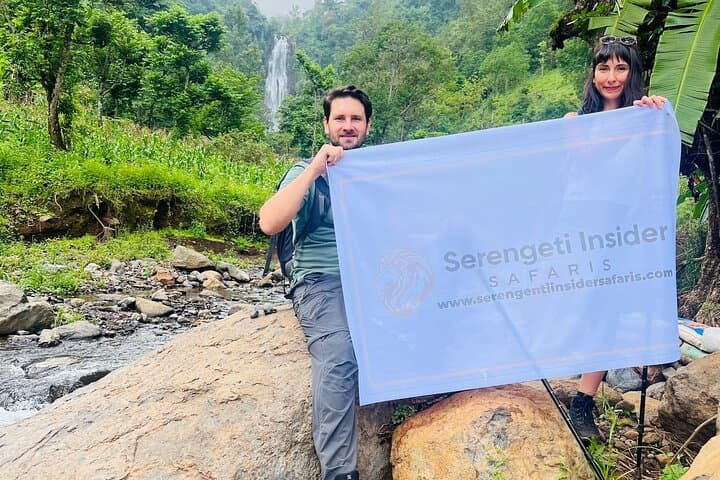
A cool mountain breeze meets the smell of roasting beans as the path drops into the gorge toward Materuni Waterfalls. The trail threads through coffee terraces and shaded banana groves, the falls announcing themselves before they come into view — a 70‑meter curtain of water carving a green amphitheater. Guides move with practiced ease, pointing out coffee cherries, medicinal plants and occasional birds that flit between the stunted forest.
A cool mountain breeze meets the smell of roasting beans as the path drops into the gorge toward Materuni Waterfalls. The trail threads through coffee terraces and shaded banana groves, the falls announcing themselves before they come into view — a 70‑meter curtain of water carving a green amphitheater. Guides move with practiced ease, pointing out coffee cherries, medicinal plants and occasional birds that flit between the stunted forest.
The slopes here are home to the Chagga people, who have farmed the lower flanks of Kilimanjaro for centuries using irrigation furrows and terraced plots; coffee became an economic mainstay during the colonial and post‑colonial eras. Geologically, the falls drain volcanic soils from Kilimanjaro’s lower slopes, producing rich loam that feeds dense vegetation and fast, tobacco‑brown runoff during the rainy season.
Visitors can expect a cultural immersion as much as a short hike: a hands‑on coffee demonstration follows the waterfall walk, showing traditional roasting, pounding and brewing methods that yield a bold, local cup. The trail is roughly 1–2 km each way on uneven, sometimes steep terrain with stone steps and muddy stretches; total time for the experience runs 6–10 hours when paired with transfers from Arusha or Moshi.
Practical tips: start early for clearer Kilimanjaro views and firmer trails, bring at least 2–3 litres of water and sturdy hiking shoes, and budget time to sit through the coffee demo and village visit. Respect local customs, carry out waste, and tip guides who facilitate this community‑based experience.