THE ADVENTURE COLLECTIVE® · Independent discovery and booking for outdoor travel

A brisk half-day that combines a 40–50 minute village walk to a 70–80m plunge, a plunge-pool dip, and an intimate Chagga coffee demonstration. Ideal for travelers who want culture, light hiking, and mountain views in one morning.
A brisk half-day that combines a 40–50 minute village walk to a 70–80m plunge, a plunge-pool dip, and an intimate Chagga coffee demonstration. Ideal for travelers who want culture, light hiking, and mountain views in one morning.
You set off from Moshi on a cool, mountain-scented morning and the road sketches upward into banana and coffee farms. The guide threads through Materuni village, pointing out stone terraces and the small homes of the Chagga people before a shaded trail drops toward the falls.
Verified experiences and guided adventures in the surrounding area.
Operated by Tarry Adventures and Safaris · Moshi, Kilimanjaro Region
You set off from Moshi on a cool, mountain-scented morning and the road sketches upward into banana and coffee farms. The guide threads through Materuni village, pointing out stone terraces and the small homes of the Chagga people before a shaded trail drops toward the falls.
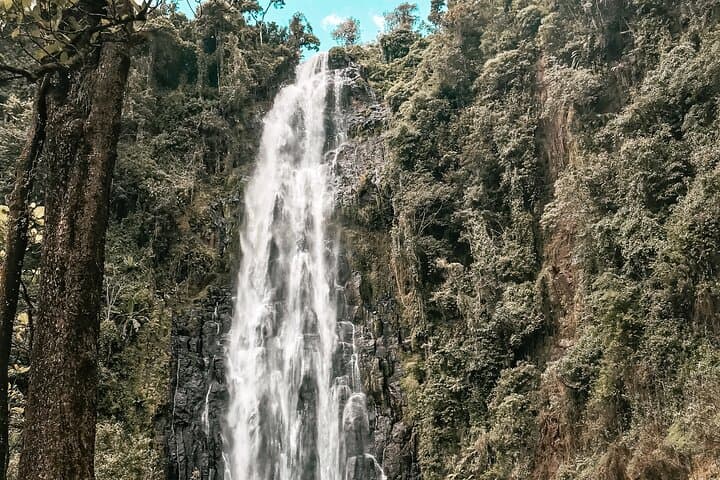
The waterfall announces itself before you see it — the river daring you forward, then unfurling 70–80 meters down a volcanic cleft. The plunge pool is fed by runoff from Kilimanjaro’s slopes; on clear days the summit stares back across the valley like an aloof neighbor. Geologically, the gorge is carved from basaltic flows and volcanic soils that made the region ideal for Chagga’s intensive mound farming centuries ago.
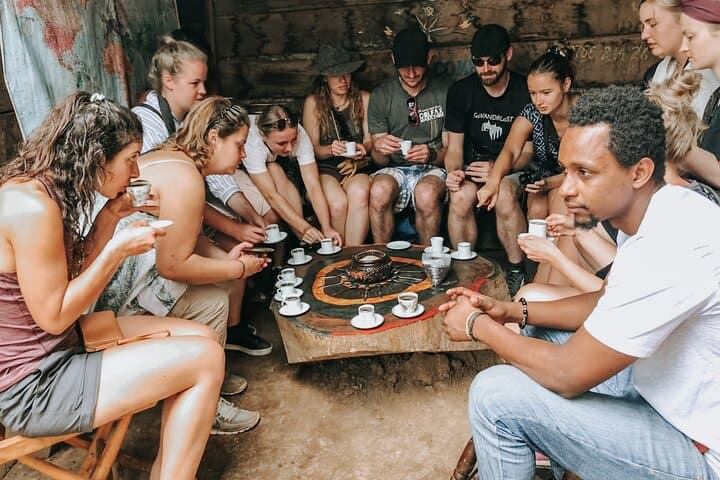
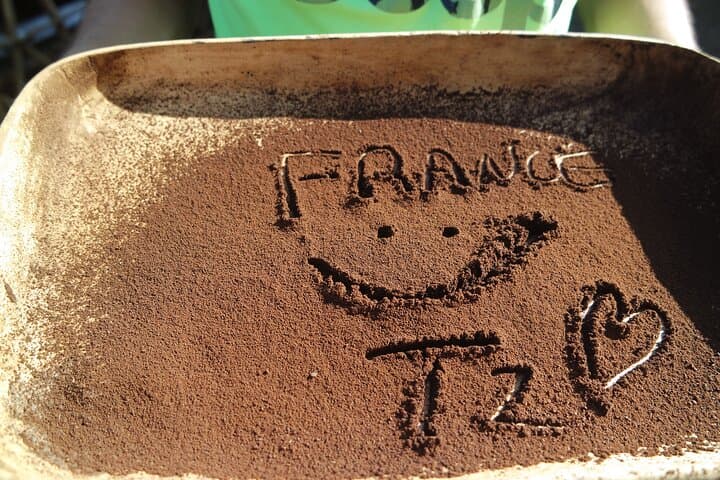
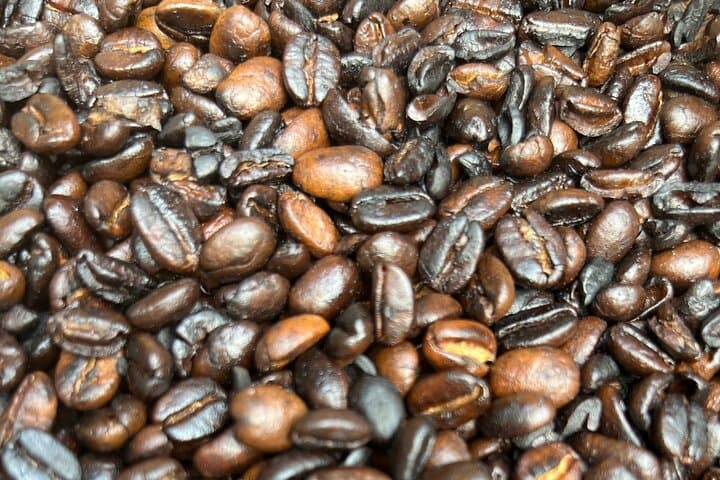
Culturally, the walk is as much about people as water. Your guide explains Chagga techniques for banana and coffee cultivation, and you’ll learn how coffee seed becomes cup in a compact, hands-on roasting and brewing demo at a local farm.
Practically: expect a 40–50 minute uphill and downhill walk on uneven, sometimes muddy tracks. Wear sturdy shoes, pack a lightweight rain layer, and bring water; the pool is swimmable but cold. Photography windows for Kilimanjaro are narrow — aim for early clear mornings. The tour includes private transport, lunch, and a guided coffee tasting, and is family-friendly though not advised for people with serious spinal problems. Leave no trace and respect farm plots — these paths cross working land. For a half-day that blends light hiking, geology, village life, and coffee craft, Materuni delivers an accessible, compact Kilimanjaro-side experience.
easy.
4–5 hours.
Light aerobic fitness—comfortable walking for 40–50 minutes on uneven terrain; suitable for most visitors
Expect roughly 40–50 minutes each way on a footpath that climbs and descends through village and forest.
Yes — there is a plunge pool and swimming is allowed, but the water is cold and currents can be strong after heavy rain.
Yes, private transportation from Moshi is included with the tour price as described by the operator.
Possibly — Kilimanjaro is visible from the viewpoint on clear days, especially in the morning; cloud cover often obscures the summit.
The Chagga people have farmed the lower slopes of Kilimanjaro for centuries, developing intensive soil and irrigation techniques that shaped village life here.
Stay on designated paths to protect cultivated terraces and fragile forest patches; support local guides and farms to keep tourism benefits in the community.
Tarry Adventures and Safaris operates guided outdoor trips and adventures with an emphasis on safety, stewardship, and memorable experiences.
You set off from Moshi on a cool, mountain-scented morning and the road sketches upward into banana and coffee farms. The guide threads through Materuni village, pointing out stone terraces and the small homes of the Chagga people before a shaded trail drops toward the falls.
You set off from Moshi on a cool, mountain-scented morning and the road sketches upward into banana and coffee farms. The guide threads through Materuni village, pointing out stone terraces and the small homes of the Chagga people before a shaded trail drops toward the falls.
The waterfall announces itself before you see it — the river daring you forward, then unfurling 70–80 meters down a volcanic cleft. The plunge pool is fed by runoff from Kilimanjaro’s slopes; on clear days the summit stares back across the valley like an aloof neighbor. Geologically, the gorge is carved from basaltic flows and volcanic soils that made the region ideal for Chagga’s intensive mound farming centuries ago.
Culturally, the walk is as much about people as water. Your guide explains Chagga techniques for banana and coffee cultivation, and you’ll learn how coffee seed becomes cup in a compact, hands-on roasting and brewing demo at a local farm.
Practically: expect a 40–50 minute uphill and downhill walk on uneven, sometimes muddy tracks. Wear sturdy shoes, pack a lightweight rain layer, and bring water; the pool is swimmable but cold. Photography windows for Kilimanjaro are narrow — aim for early clear mornings. The tour includes private transport, lunch, and a guided coffee tasting, and is family-friendly though not advised for people with serious spinal problems. Leave no trace and respect farm plots — these paths cross working land. For a half-day that blends light hiking, geology, village life, and coffee craft, Materuni delivers an accessible, compact Kilimanjaro-side experience.