THE ADVENTURE COLLECTIVE® · Independent discovery and booking for outdoor travel

Spend a day with the Chagga in the Kilimanjaro foothills: roast coffee by hand, learn local plant lore, then hike through plantations to a cool, plunging waterfall. This accessible day tour blends culture, geology and a refreshing mountain swim.
Spend a day with the Chagga in the Kilimanjaro foothills: roast coffee by hand, learn local plant lore, then hike through plantations to a cool, plunging waterfall. This accessible day tour blends culture, geology and a refreshing mountain swim.
The walk begins where mountain air sharpens and coffee leaves whisper underfoot — a short drive from Moshi up to Materuni village at roughly 1,800 m above sea level. Guides lead groups through smallholdings of coffee and banana, the path corralling sunlight into dappled pools and the scent of fresh roast drifting close enough to taste.
Verified experiences and guided adventures in the surrounding area.
Operated by Bujo Tours · Moshi, Kilimanjaro Region
The walk begins where mountain air sharpens and coffee leaves whisper underfoot — a short drive from Moshi up to Materuni village at roughly 1,800 m above sea level. Guides lead groups through smallholdings of coffee and banana, the path corralling sunlight into dappled pools and the scent of fresh roast drifting close enough to taste.
This is Chagga country: a people whose irrigation terraces and home gardens have shaped the slope for centuries. The volcanic soils of Kilimanjaro’s foothills feed rich, bright coffees; geology here is recent, with lava flows broken into deep, well-drained loams. Along the trail local knowledge surfaces — which shrubs are food, which roots are medicine, and how traditional brews are made from fermented banana or honey.
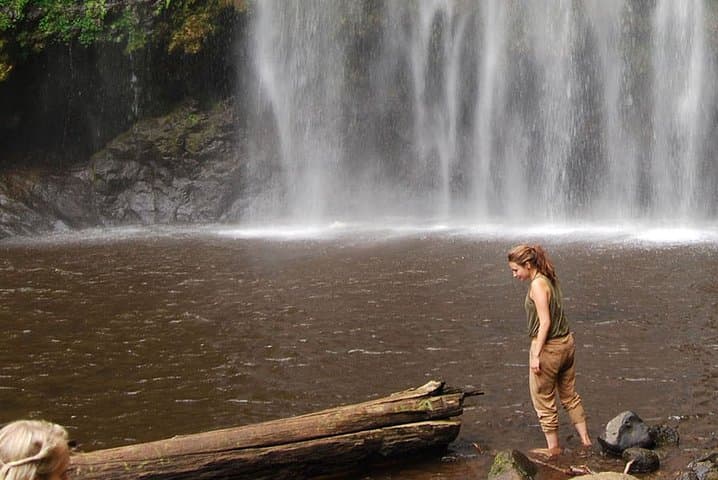
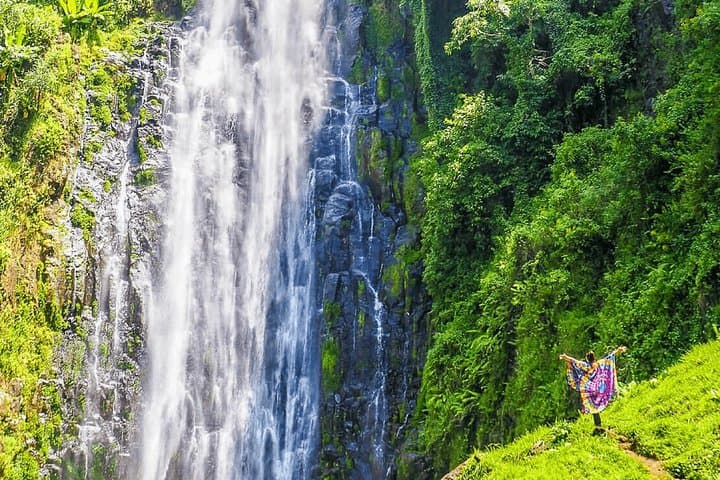
The route itself is an accessible village hike, moving from plantation rows down to a curtain of mountain water. The pool at the base wants you to float and cool off; the water arrives cold and insistent, unhurried by the sun. After a midday lunch — often in shaded village spots — there’s time to relax by the falls before a late-afternoon transfer back to Moshi.
Practical notes: expect an 8-hour door-to-door outing with moderate walking on uneven farm tracks, some steps and short slopes. Bring swimwear, sturdy shoes with grip, sun and rain protection, and small local currency for tips or souvenirs. Respect cultural norms when visiting village homes: modest dress and asking before photographing people are simple courtesies that keep the exchange genuine.
moderate.
8 hours.
Suitable for most fitness levels; requires comfortable walking on uneven farm tracks and some steps.
The full outing runs about 8 hours door-to-door from Moshi; the walking portion is a short village hike on uneven farm tracks, typically 30–45 minutes each way depending on pace.
Yes, most visitors swim in the plunge pool; water is cold and currents are generally mild — use caution on slippery rocks and follow your guide’s advice.
Transfers, a guided coffee demonstration, a packed lunch, bottled water, and village guiding are typically included; confirm specifics with your operator.
Pick-up and drop-off from Moshi hotels are usually provided as part of the tour; the itinerary lists transfer as included.
The Chagga people have farmed the Kilimanjaro foothills for centuries, developing irrigation terraces and intercropping systems that shape the local landscape and coffee production.
Responsible visitation supports village incomes and incentivizes forest and water protection; stick to paths, avoid single-use plastics, and follow guide instructions to minimize impact.
Bujo Tours operates guided outdoor trips and adventures with an emphasis on safety, stewardship, and memorable experiences.
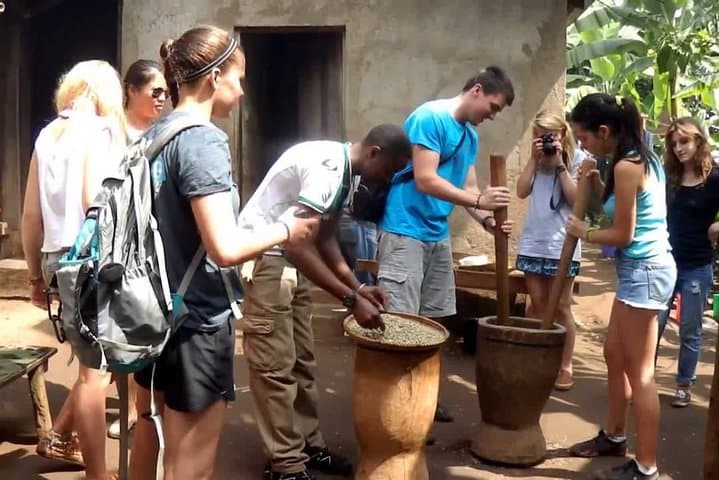
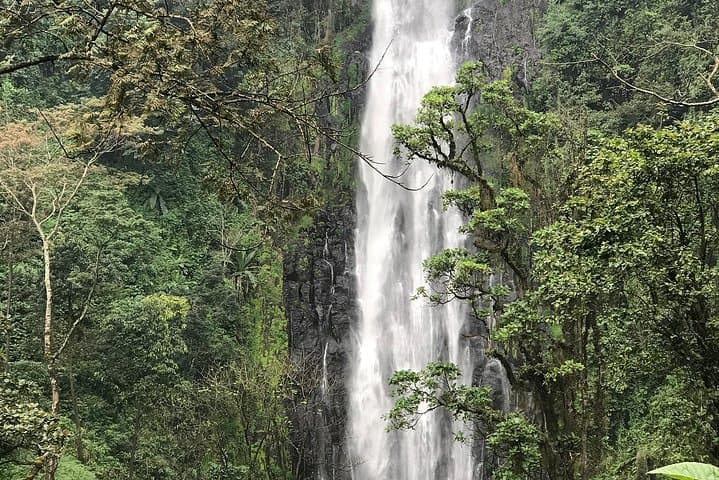
The walk begins where mountain air sharpens and coffee leaves whisper underfoot — a short drive from Moshi up to Materuni village at roughly 1,800 m above sea level. Guides lead groups through smallholdings of coffee and banana, the path corralling sunlight into dappled pools and the scent of fresh roast drifting close enough to taste.
The walk begins where mountain air sharpens and coffee leaves whisper underfoot — a short drive from Moshi up to Materuni village at roughly 1,800 m above sea level. Guides lead groups through smallholdings of coffee and banana, the path corralling sunlight into dappled pools and the scent of fresh roast drifting close enough to taste.
This is Chagga country: a people whose irrigation terraces and home gardens have shaped the slope for centuries. The volcanic soils of Kilimanjaro’s foothills feed rich, bright coffees; geology here is recent, with lava flows broken into deep, well-drained loams. Along the trail local knowledge surfaces — which shrubs are food, which roots are medicine, and how traditional brews are made from fermented banana or honey.
The route itself is an accessible village hike, moving from plantation rows down to a curtain of mountain water. The pool at the base wants you to float and cool off; the water arrives cold and insistent, unhurried by the sun. After a midday lunch — often in shaded village spots — there’s time to relax by the falls before a late-afternoon transfer back to Moshi.
Practical notes: expect an 8-hour door-to-door outing with moderate walking on uneven farm tracks, some steps and short slopes. Bring swimwear, sturdy shoes with grip, sun and rain protection, and small local currency for tips or souvenirs. Respect cultural norms when visiting village homes: modest dress and asking before photographing people are simple courtesies that keep the exchange genuine.