THE ADVENTURE COLLECTIVE® · Independent discovery and booking for outdoor travel

A half‑day hike from Moshi into the foothills of Kilimanjaro leads to Materuni’s thundering falls and a hands‑on Chagga coffee experience. Expect steep farm tracks, misty views, and a cultural visit to Moshi to finish the day.
A half‑day hike from Moshi into the foothills of Kilimanjaro leads to Materuni’s thundering falls and a hands‑on Chagga coffee experience. Expect steep farm tracks, misty views, and a cultural visit to Moshi to finish the day.
You step out of the minivan into a cooler breath of air—Materuni sits roughly 15 km up the eastern foothills of Kilimanjaro at about 1,800 m, where coffee terraces and banana stems lean into the slope. The trail drops and climbs on a 45‑minute walk that threads between smallholdings; birdcall and the distant rumble of falling water guide you toward the falls.
Verified experiences and guided adventures in the surrounding area.
Operated by Safari by Leo · Materuni, Kilimanjaro Region
You step out of the minivan into a cooler breath of air—Materuni sits roughly 15 km up the eastern foothills of Kilimanjaro at about 1,800 m, where coffee terraces and banana stems lean into the slope. The trail drops and climbs on a 45‑minute walk that threads between smallholdings; birdcall and the distant rumble of falling water guide you toward the falls.
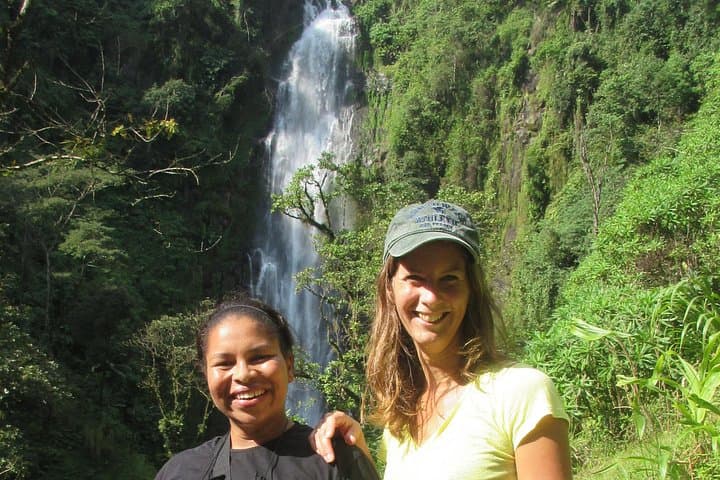
The route follows contours carved into volcanic soils from Kilimanjaro’s ancient eruptions, where Chagga farmers have terraced the land for generations. Materuni’s waterfall cuts a narrow gorge through lava deposits, creating a curtain of water that dares you close enough to feel the spray. The village is Chagga country—expect warm, straightforward hospitality, hands‑on coffee demonstrations, and stories about shared irrigation systems and mountain crops.
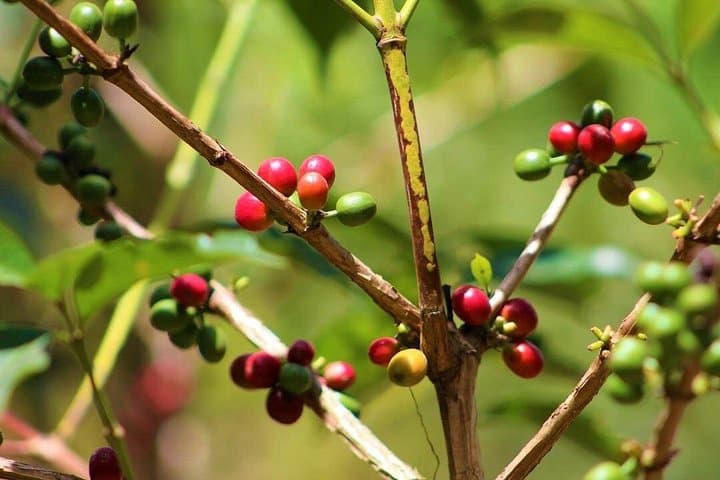
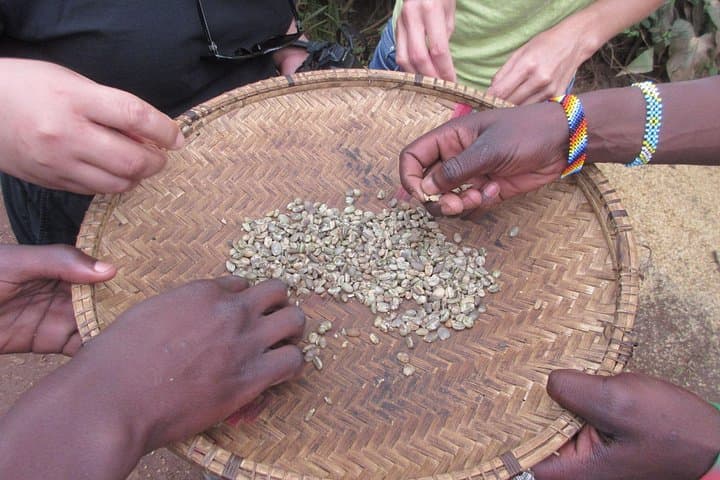
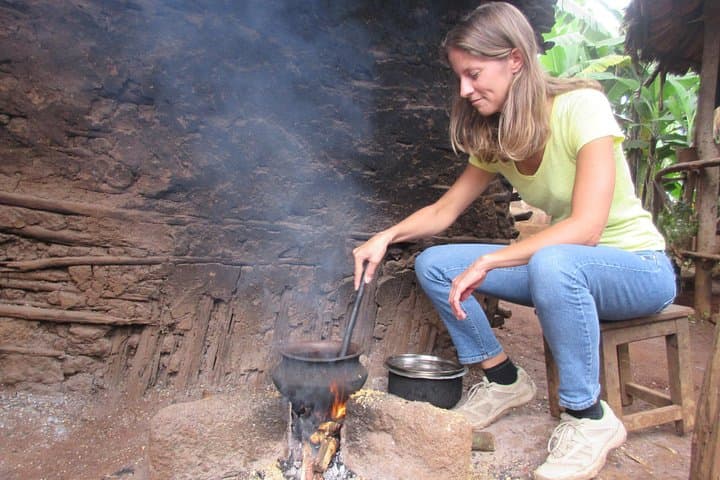
Culturally, the tour pairs a short rainforest hike and waterfall plunge with a household coffee processing lesson: picking, pulping, drying, roasting and a cup savored on a wooden bench while children look on. The afternoon shifts back to Moshi for a concise town tour—markets, mission era buildings, and a rooftop bar where Kilimanjaro will appear on a clear day.
Practical side: wear grippy shoes—the trail has steep steps and mud after rain—and bring 1–1.5 L water, rain layers, and cash for tips and small purchases. The full experience runs about 4–7 hours door‑to‑door from Moshi, requires moderate fitness for short climbs and uneven ground, and is best scheduled for morning hikes when rainfall is least likely.
moderate.
4–7 hours.
Moderate fitness—able to manage 45 minutes of uneven uphill/downhill hiking and several flights of steps.
The guided portion is about 45 minutes each way on mixed farm tracks; pace and stops can make it shorter or longer.
Yes—many families participate, but supervise children on steep or slippery sections and near the water’s edge.
Yes—most tours include a hands‑on demonstration from picking to roasting and a cup of locally prepared coffee.
Mount Kilimanjaro is visible from Moshi on clear days, especially from rooftop viewpoints; visibility depends on weather and clouds.
The Chagga people have farmed Kilimanjaro’s lower slopes for centuries, developing terraced agriculture and communal irrigation systems central to village life.
Stick to marked paths, avoid single‑use plastics, and support community guides—tourism funds help maintain trails and protect watershed forests.
Safari by Leo operates guided outdoor trips and adventures with an emphasis on safety, stewardship, and memorable experiences.
You step out of the minivan into a cooler breath of air—Materuni sits roughly 15 km up the eastern foothills of Kilimanjaro at about 1,800 m, where coffee terraces and banana stems lean into the slope. The trail drops and climbs on a 45‑minute walk that threads between smallholdings; birdcall and the distant rumble of falling water guide you toward the falls.
You step out of the minivan into a cooler breath of air—Materuni sits roughly 15 km up the eastern foothills of Kilimanjaro at about 1,800 m, where coffee terraces and banana stems lean into the slope. The trail drops and climbs on a 45‑minute walk that threads between smallholdings; birdcall and the distant rumble of falling water guide you toward the falls.
The route follows contours carved into volcanic soils from Kilimanjaro’s ancient eruptions, where Chagga farmers have terraced the land for generations. Materuni’s waterfall cuts a narrow gorge through lava deposits, creating a curtain of water that dares you close enough to feel the spray. The village is Chagga country—expect warm, straightforward hospitality, hands‑on coffee demonstrations, and stories about shared irrigation systems and mountain crops.
Culturally, the tour pairs a short rainforest hike and waterfall plunge with a household coffee processing lesson: picking, pulping, drying, roasting and a cup savored on a wooden bench while children look on. The afternoon shifts back to Moshi for a concise town tour—markets, mission era buildings, and a rooftop bar where Kilimanjaro will appear on a clear day.
Practical side: wear grippy shoes—the trail has steep steps and mud after rain—and bring 1–1.5 L water, rain layers, and cash for tips and small purchases. The full experience runs about 4–7 hours door‑to‑door from Moshi, requires moderate fitness for short climbs and uneven ground, and is best scheduled for morning hikes when rainfall is least likely.