THE ADVENTURE COLLECTIVE® · Independent discovery and booking for outdoor travel

A morning walk through Chagga farmland leads to an 80‑meter cascade and an immersive coffee ritual—Materuni pairs open-air adventure with hands-on culture. Read on for what to expect, how to prepare, and when to go.
A morning walk through Chagga farmland leads to an 80‑meter cascade and an immersive coffee ritual—Materuni pairs open-air adventure with hands-on culture. Read on for what to expect, how to prepare, and when to go.
You emerge from the village track into a cut of green where sunlight filters through banana palms and the air turns sharp with roasted coffee. A guide from the Chagga homestead leads the way, pointing out terraced plots clinging to Kilimanjaro’s lower slopes while the distant peak—on a clear day—slides into view above a horizon of cloud. The walk to Materuni Waterfall is as much a cultural passage as a physical one: children wave from mud-brick doorways, women pound cassava by the roadside, and the steady aroma of coffee beans being dried hangs over the path.
Verified experiences and guided adventures in the surrounding area.
Operated by Twende Africa Tours · Moshi, Kilimanjaro Region
You emerge from the village track into a cut of green where sunlight filters through banana palms and the air turns sharp with roasted coffee. A guide from the Chagga homestead leads the way, pointing out terraced plots clinging to Kilimanjaro’s lower slopes while the distant peak—on a clear day—slides into view above a horizon of cloud. The walk to Materuni Waterfall is as much a cultural passage as a physical one: children wave from mud-brick doorways, women pound cassava by the roadside, and the steady aroma of coffee beans being dried hangs over the path.
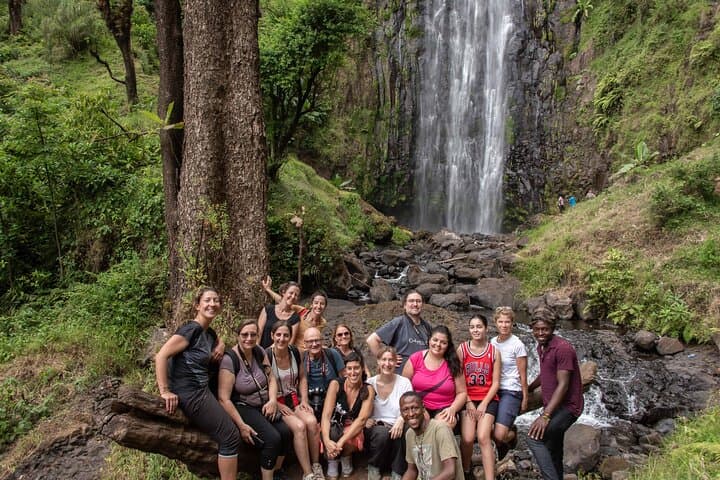
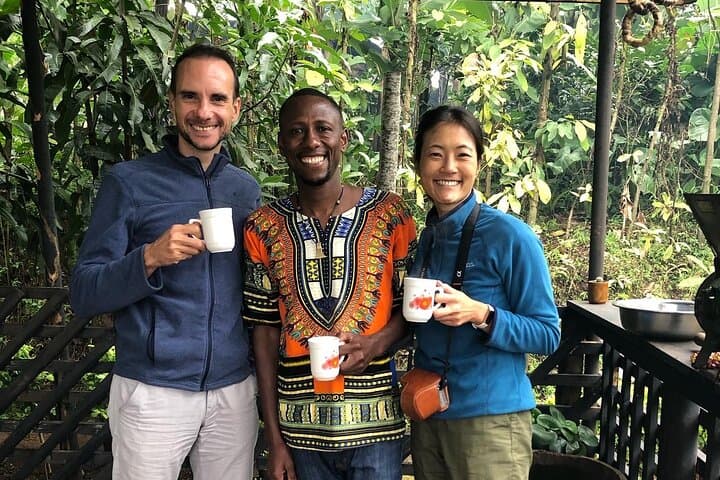
Materuni is both a natural landmark and a living village. The waterfall itself drops roughly 80 meters into shaded plunge pools carved from volcanic rock; the cascade remembers the region’s geological past, a slow conversation between rain, lava, and time. The Chagga people have farmed these slopes for generations, shaping terraces and irrigation channels that support bananas, maize and coffee—an agricultural system intimately tied to local identity. On the homestead tour you’ll learn how coffee moves from cherry to cup: hand-picking, sun-drying, roasting and a communal grind accompanied by traditional song.
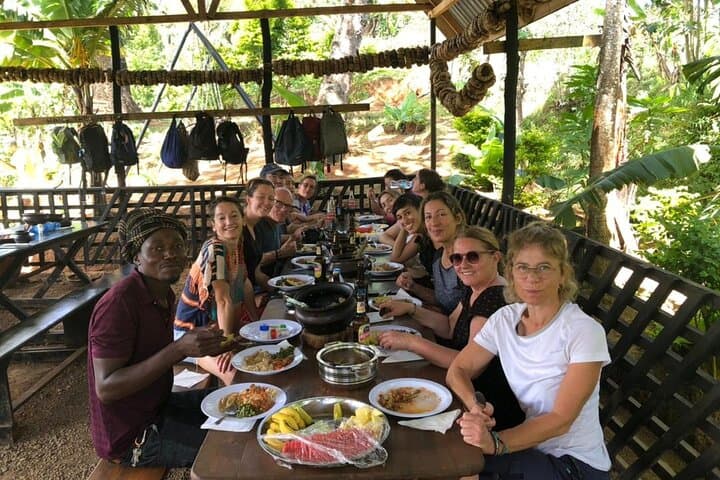
Practicality underpins the charm. The round-trip experience is 4–6 hours, with about 40 minutes of steady walking to the falls on a 1.5–2 km trail that can be slippery after rain. Expect narrow footpaths, occasional stone steps, and a modest elevation change (roughly 100–200 meters). Guides are hands-on: they’ll interpret flora and fauna, arrange a traditional Chagga lunch and offer a chance to taste banana beer—an authentic, slightly tart local brew.
Plan your visit for the morning when the light hits the falls and the trail is cooler. Bring swimwear if you want to take the plunge; the water is clear and decidedly cold. Wear sturdy shoes with good traction—sneakers will work, but light mountain boots are safer when the path is muddy. Bring cash in small bills for donations, souvenirs, and guide tips; phone reception is spotty beyond the village.
Beyond the hike and coffee, the trip is a compact lesson in sustainable tourism: visiting supports community-run homesteads and conservation-minded practices that protect water sources and ancestral farmland. Come ready to walk, taste, and listen—Materuni rewards curiosity with a clear waterfall, a strong cup of coffee, and a grounded look at life on Kilimanjaro’s lower slopes.
moderate.
4–6 hours.
Suitable for travelers with moderate fitness: steady walking on uneven terrain and short uphill sections required.
The path from the village to Materuni Falls is about 1.5–2 km and takes roughly 30–45 minutes each way depending on pace and trail conditions.
Yes—many visitors swim in the plunge pool; water is cold and rocky at the edges so enter carefully and supervise children.
This operator offers private tours and will provide a dedicated guide and included traditional lunch and coffee demonstration.
Yes—airport pickup is available for an additional fee (operator quotes around $50–$100 per group depending on pickup location).
Guides commonly speak English and Swahili; some guides may speak other European languages—confirm at booking if needed.
Moderate mobility children and active older adults can usually manage the walk, but it’s not recommended for those with serious spinal or heart conditions.
The Chagga people have farmed Kilimanjaro’s slopes for centuries; their terraced agriculture and coffee cultivation shaped the local landscape and economy.
Community-run tours support sustainable land use and protect local water sources; visitors are encouraged to use refillable bottles and avoid single-use plastics.
Twende Africa Tours operates guided outdoor trips and adventures with an emphasis on safety, stewardship, and memorable experiences.
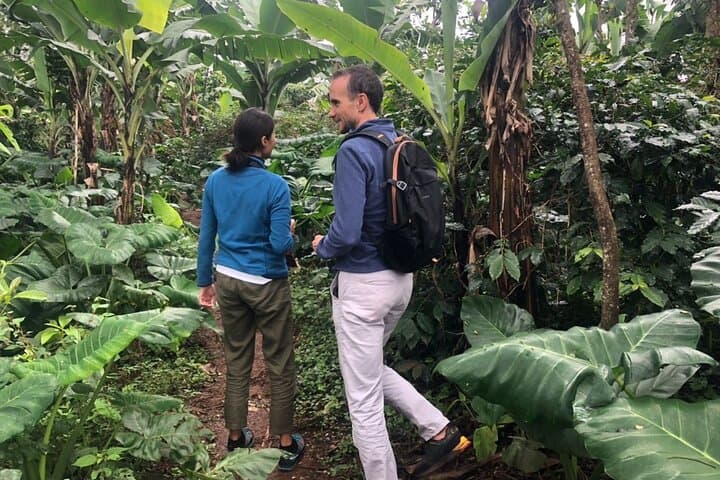
You emerge from the village track into a cut of green where sunlight filters through banana palms and the air turns sharp with roasted coffee. A guide from the Chagga homestead leads the way, pointing out terraced plots clinging to Kilimanjaro’s lower slopes while the distant peak—on a clear day—slides into view above a horizon of cloud. The walk to Materuni Waterfall is as much a cultural passage as a physical one: children wave from mud-brick doorways, women pound cassava by the roadside, and the steady aroma of coffee beans being dried hangs over the path.
You emerge from the village track into a cut of green where sunlight filters through banana palms and the air turns sharp with roasted coffee. A guide from the Chagga homestead leads the way, pointing out terraced plots clinging to Kilimanjaro’s lower slopes while the distant peak—on a clear day—slides into view above a horizon of cloud. The walk to Materuni Waterfall is as much a cultural passage as a physical one: children wave from mud-brick doorways, women pound cassava by the roadside, and the steady aroma of coffee beans being dried hangs over the path.
Materuni is both a natural landmark and a living village. The waterfall itself drops roughly 80 meters into shaded plunge pools carved from volcanic rock; the cascade remembers the region’s geological past, a slow conversation between rain, lava, and time. The Chagga people have farmed these slopes for generations, shaping terraces and irrigation channels that support bananas, maize and coffee—an agricultural system intimately tied to local identity. On the homestead tour you’ll learn how coffee moves from cherry to cup: hand-picking, sun-drying, roasting and a communal grind accompanied by traditional song.
Practicality underpins the charm. The round-trip experience is 4–6 hours, with about 40 minutes of steady walking to the falls on a 1.5–2 km trail that can be slippery after rain. Expect narrow footpaths, occasional stone steps, and a modest elevation change (roughly 100–200 meters). Guides are hands-on: they’ll interpret flora and fauna, arrange a traditional Chagga lunch and offer a chance to taste banana beer—an authentic, slightly tart local brew.
Plan your visit for the morning when the light hits the falls and the trail is cooler. Bring swimwear if you want to take the plunge; the water is clear and decidedly cold. Wear sturdy shoes with good traction—sneakers will work, but light mountain boots are safer when the path is muddy. Bring cash in small bills for donations, souvenirs, and guide tips; phone reception is spotty beyond the village.
Beyond the hike and coffee, the trip is a compact lesson in sustainable tourism: visiting supports community-run homesteads and conservation-minded practices that protect water sources and ancestral farmland. Come ready to walk, taste, and listen—Materuni rewards curiosity with a clear waterfall, a strong cup of coffee, and a grounded look at life on Kilimanjaro’s lower slopes.