THE ADVENTURE COLLECTIVE® · Independent discovery and booking for outdoor travel

A single-day hike from Moshi that threads coffee farms, Chagga village life and a refreshing plunge beneath Materuni Waterfall, all with views of Kibo on the skyline. Ideal for active travelers who want culture, scenery and a manageable trail in one outing.
A single-day hike from Moshi that threads coffee farms, Chagga village life and a refreshing plunge beneath Materuni Waterfall, all with views of Kibo on the skyline. Ideal for active travelers who want culture, scenery and a manageable trail in one outing.
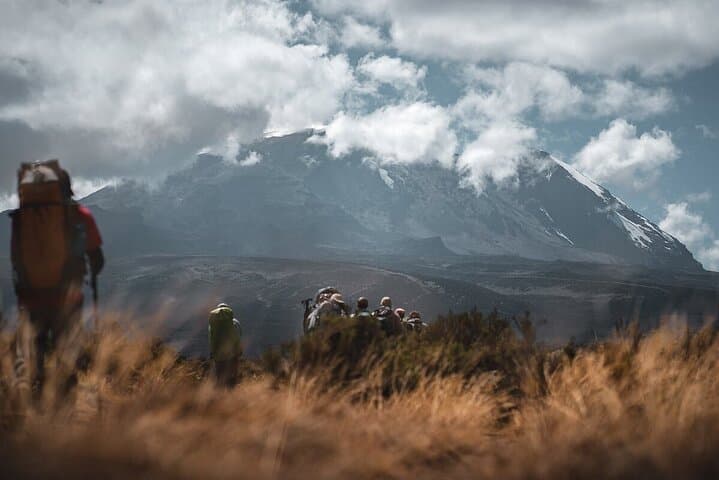
Morning mist lifts off the banana terraces as you step from the white Volkswagen at Uhuru Park and head toward the eastern slopes of Kilimanjaro. The trail drops and rises through smallholder farms, coffee plots and pockets of montane rainforest; birds call from the understory and the peak of Kibo watches like a patient giant beyond the ridgeline.
Verified experiences and guided adventures in the surrounding area.
Operated by Kilitusk African Adventures · Moshi, Kilimanjaro Region
Morning mist lifts off the banana terraces as you step from the white Volkswagen at Uhuru Park and head toward the eastern slopes of Kilimanjaro. The trail drops and rises through smallholder farms, coffee plots and pockets of montane rainforest; birds call from the understory and the peak of Kibo watches like a patient giant beyond the ridgeline.
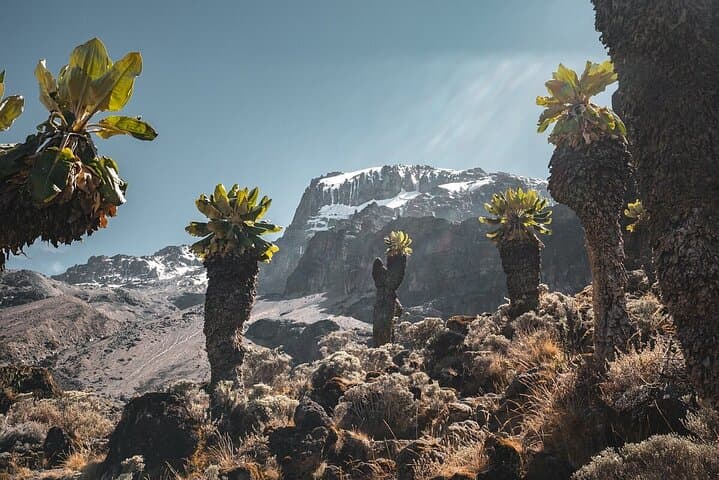
Geology here is recent volcanic architecture: the broad cone of Kilimanjaro rises from ancient lava flows and fertile ash soils that feed the coffee grown by the Chagga. The Chagga people have farmed these slopes for centuries; Materuni village produces the region’s distinctive peaberry beans and offers a glimpse into daily life—grinding, roasting and brewing coffee over open flame.
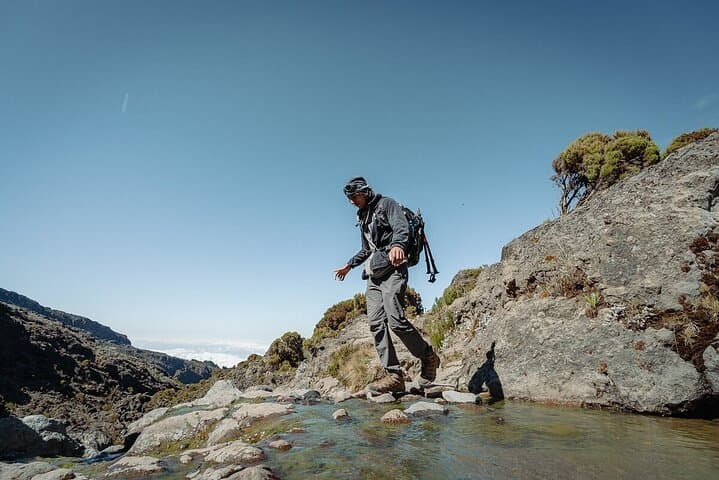
The hike to Materuni Waterfall is straightforward but varied: muddy sections and stone steps give way to packed earth and grassy clearings. At the fall, a plunge pool invites a cool swim; the water seems to challenge you, refusing to be merely admired. Expect panoramic views of Moshi and clear sightlines to Kibo on good days.
Practical edge: this is a full-day outing (about six hours door-to-door) with guided transfers, bottled water and basic equipment provided. Footwear should handle slick rock; bring swimwear, sun protection and a light insulating layer — temperatures swing between warm lowlands and cooler high-elevation air.
Plan for early starts to avoid midday heat, keep cash for village purchases and respect local customs when visiting homes. The route is accessible to most active travelers and offers a concentrated dose of culture, coffee and mountain scenery in a single day.
moderate.
6 hours.
Comfortable walking fitness; able to manage several uphill and downhill sections on uneven terrain.
The guided excursion is a six-hour round trip including transfers; on-trail walking time is roughly 1.5–2 hours round trip depending on pace.
Yes—profiles are gentle to moderate—but expect uneven ground and some short climbs; disclose mobility concerns when booking.
Yes. Bring small Tanzanian shillings for village purchases, coffee samples and tipping guides or hosts.
Generally yes, but flow varies with season; check with the guide if heavy rains have made the pool unsafe.
The Chagga have cultivated the lower slopes of Kilimanjaro for centuries; their coffee systems and terraced fields shaped the landscape and local economy.
Stay on trails, avoid single-use plastics and follow your guide’s instructions—coffee farms and forest fragments here are fragile and benefit from responsible tourism.
Kilitusk African Adventures operates guided outdoor trips and adventures with an emphasis on safety, stewardship, and memorable experiences.
Morning mist lifts off the banana terraces as you step from the white Volkswagen at Uhuru Park and head toward the eastern slopes of Kilimanjaro. The trail drops and rises through smallholder farms, coffee plots and pockets of montane rainforest; birds call from the understory and the peak of Kibo watches like a patient giant beyond the ridgeline.
Morning mist lifts off the banana terraces as you step from the white Volkswagen at Uhuru Park and head toward the eastern slopes of Kilimanjaro. The trail drops and rises through smallholder farms, coffee plots and pockets of montane rainforest; birds call from the understory and the peak of Kibo watches like a patient giant beyond the ridgeline.
Geology here is recent volcanic architecture: the broad cone of Kilimanjaro rises from ancient lava flows and fertile ash soils that feed the coffee grown by the Chagga. The Chagga people have farmed these slopes for centuries; Materuni village produces the region’s distinctive peaberry beans and offers a glimpse into daily life—grinding, roasting and brewing coffee over open flame.
The hike to Materuni Waterfall is straightforward but varied: muddy sections and stone steps give way to packed earth and grassy clearings. At the fall, a plunge pool invites a cool swim; the water seems to challenge you, refusing to be merely admired. Expect panoramic views of Moshi and clear sightlines to Kibo on good days.
Practical edge: this is a full-day outing (about six hours door-to-door) with guided transfers, bottled water and basic equipment provided. Footwear should handle slick rock; bring swimwear, sun protection and a light insulating layer — temperatures swing between warm lowlands and cooler high-elevation air.
Plan for early starts to avoid midday heat, keep cash for village purchases and respect local customs when visiting homes. The route is accessible to most active travelers and offers a concentrated dose of culture, coffee and mountain scenery in a single day.